
Our Mission
Our mission is to transform barren lands into thriving forest ecosystems while building sustainable, compassionate communities that inspire positive change around the world.
Trees
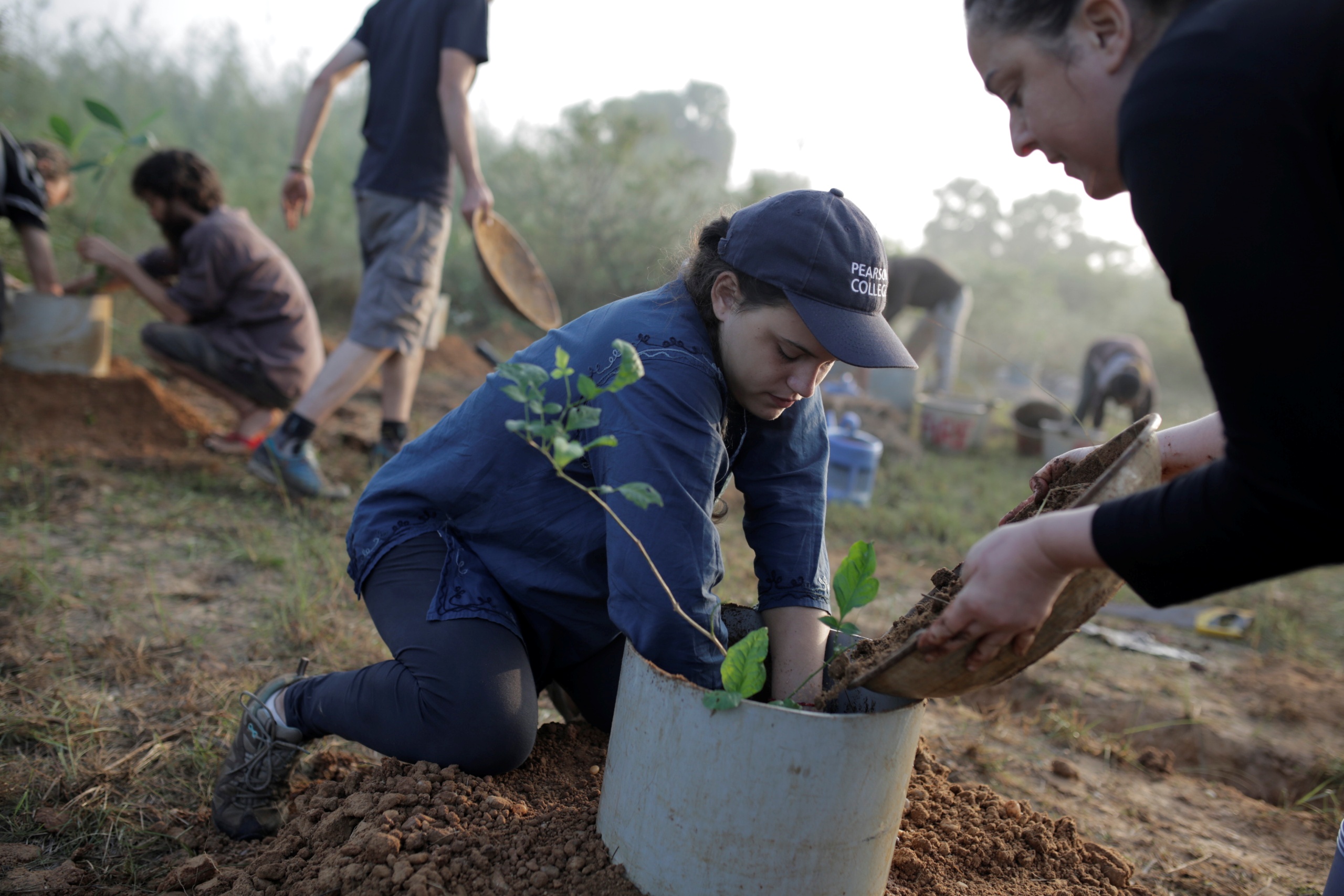
Sadhana Forest plants, nurtures and protects indigenous, drought-resistant trees, restoring native forests. We plant indigenous trees as they are adapted to the local climate and can survive droughts. We always use a wide variety of species, which increases biodiversity, resilience and helps ecosystems regenerate. Over the years, we have developed simple and effective planting and irrigation techniques, enabling trees to take root in the most difficult circumstances. We make trees grow in barren and severely eroded lands, where people have little access to water and compost.
Once trees are planted, we make sure they are cared for and protected, to ensure survival and optimal growth. In the harsh conditions we work in, trees need to be watered consistently for the first few years. We make sure to prevent trees from grazing and logging by planting in protected spaces that have continued on-site human presence. In Auroville, we have a large group of volunteers that goes into the forest to look after the trees every day. In our rural centers, we train people in tree care, and provide them with water from our own borewell in case they don’t have access to water. We plant the trees around people’s homesteads, inside their fences. Because the trees produce food, local people have an extra incentive to take good care of their trees. Sadhana Forest builds permanent centers, and our team lives on-site, so long-term follow-up and protection are ensured.
Water
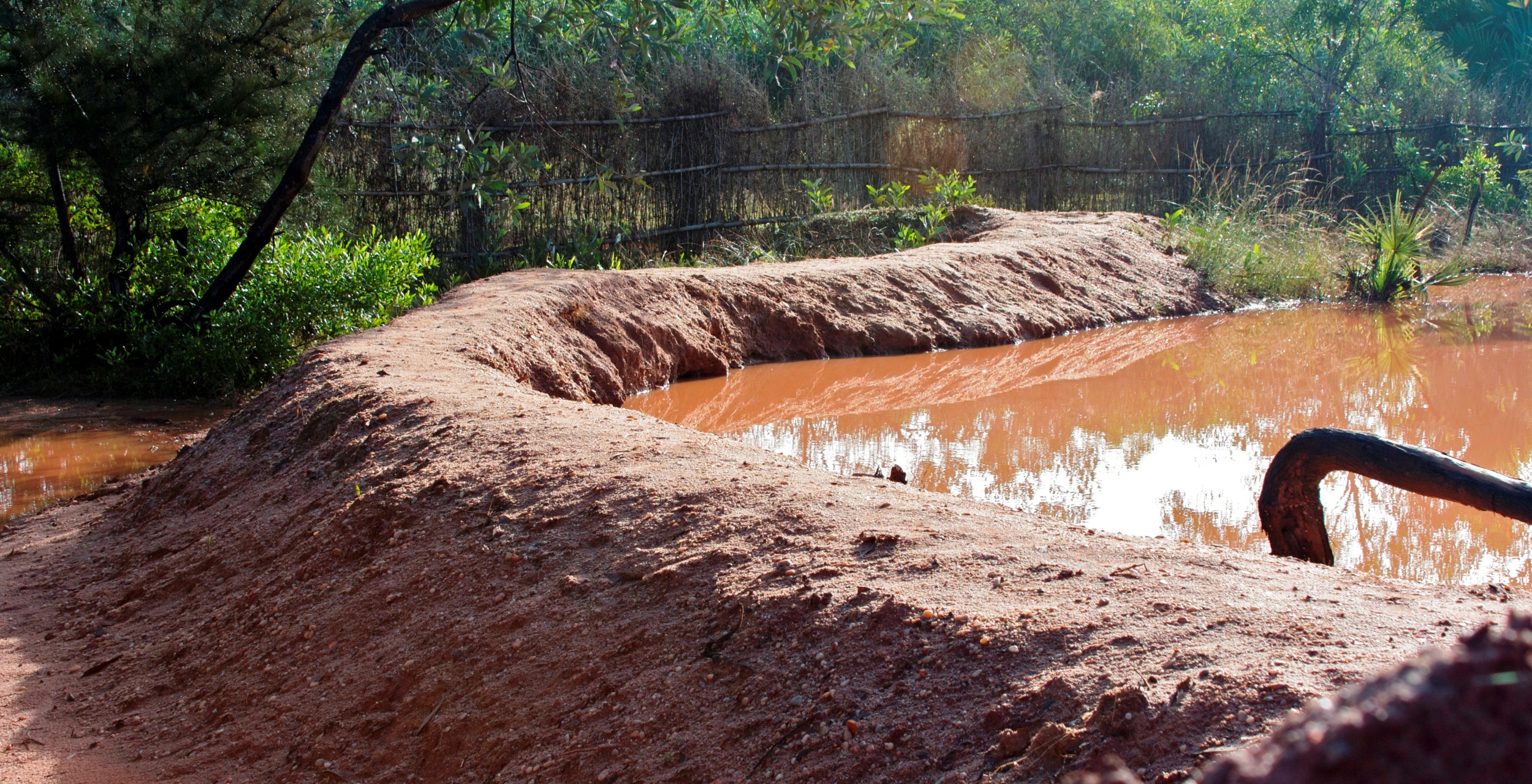
Water conservation is the foundation of ecosystem regeneration. The goal of water conservation is to prevent rainwater from running of the land and creating erosion. We want water to stay on the land, revive vegetation and replenish the aquifer. We use simple and effective age old techniques to reshape the land. Working only with soil, we create structures that slow, spread, and sink the rainwater, such as on-contour swales, bunds, trenches and dams. Once water becomes readily available, plants can grow and dry lands can start turning back into forests.
Each landscape brings its own challenges and opportunities: from the hard red earth of South India, to the rocky plateaus of Haiti, the Kenyan savanna, the dry lands of Namibia, and the mist-soaked hills of Meghalaya, the wettest place on Earth. Yet the principle remains the same: slow the flow, let it sink, give life a chance to return.
Water conservation is both a technical practice and an act of compassion. It asks for patience, observation, and respect for the rhythms of the land. By caring for water, we restore balance, strengthen resilience, and lay the foundation upon which forests, animals, and people can thrive together.
On-contour Swales
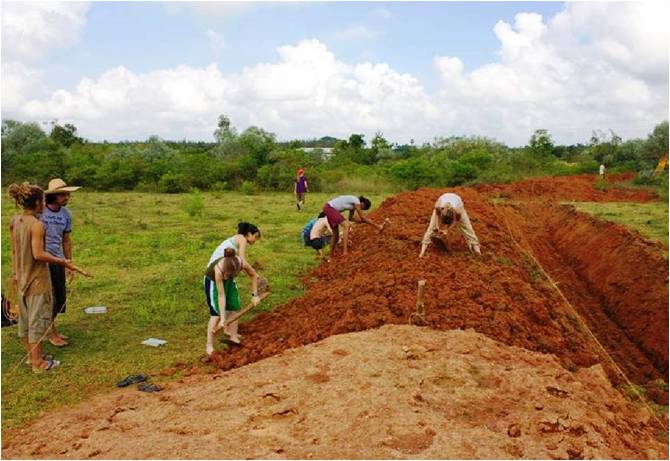
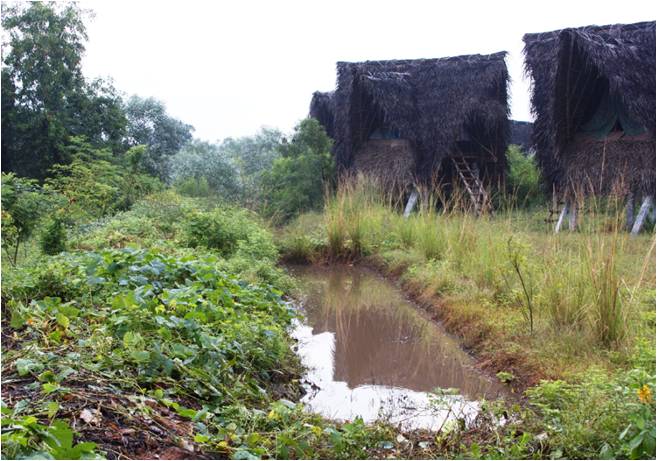
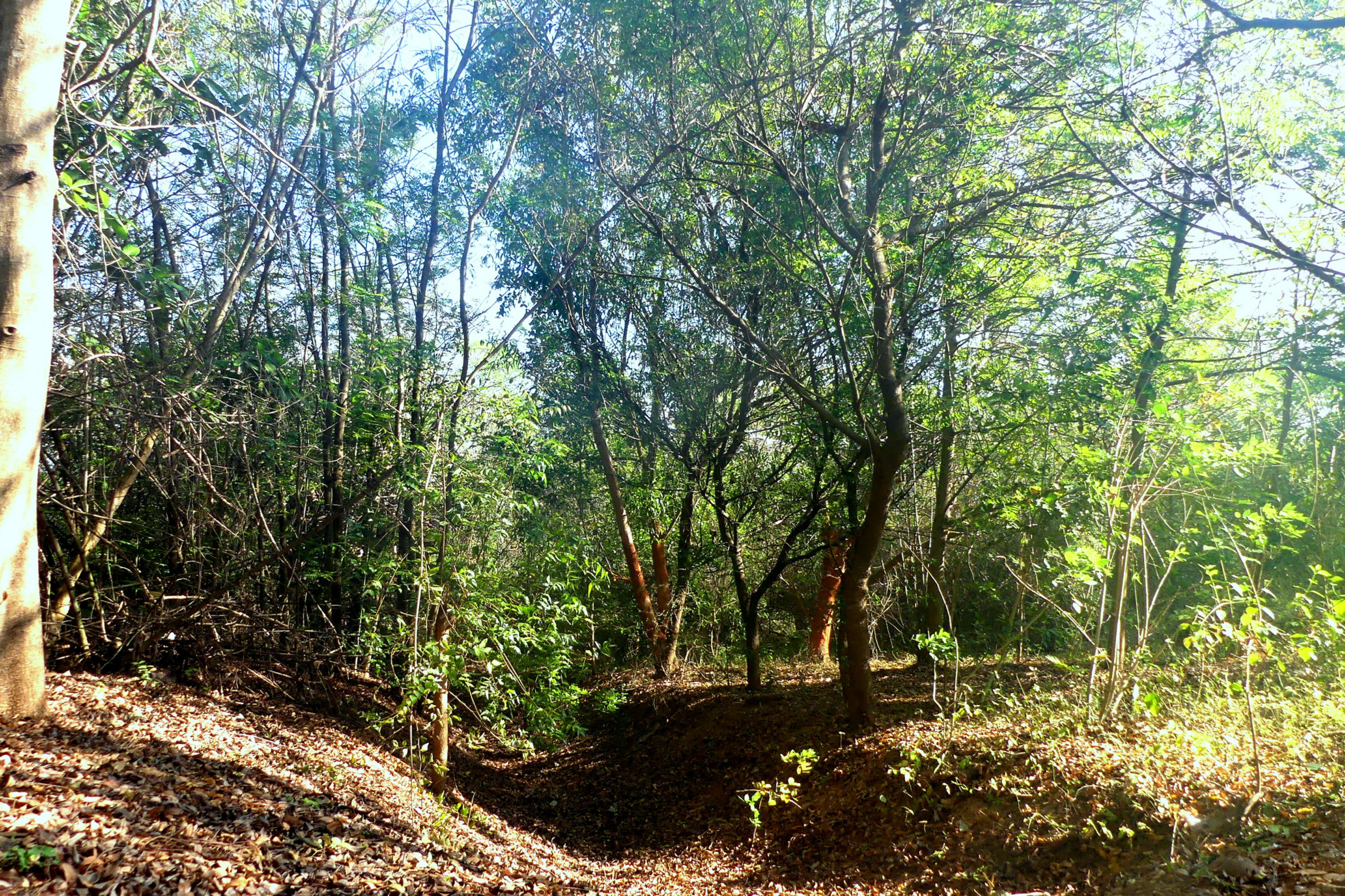
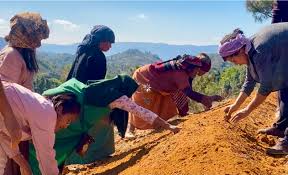
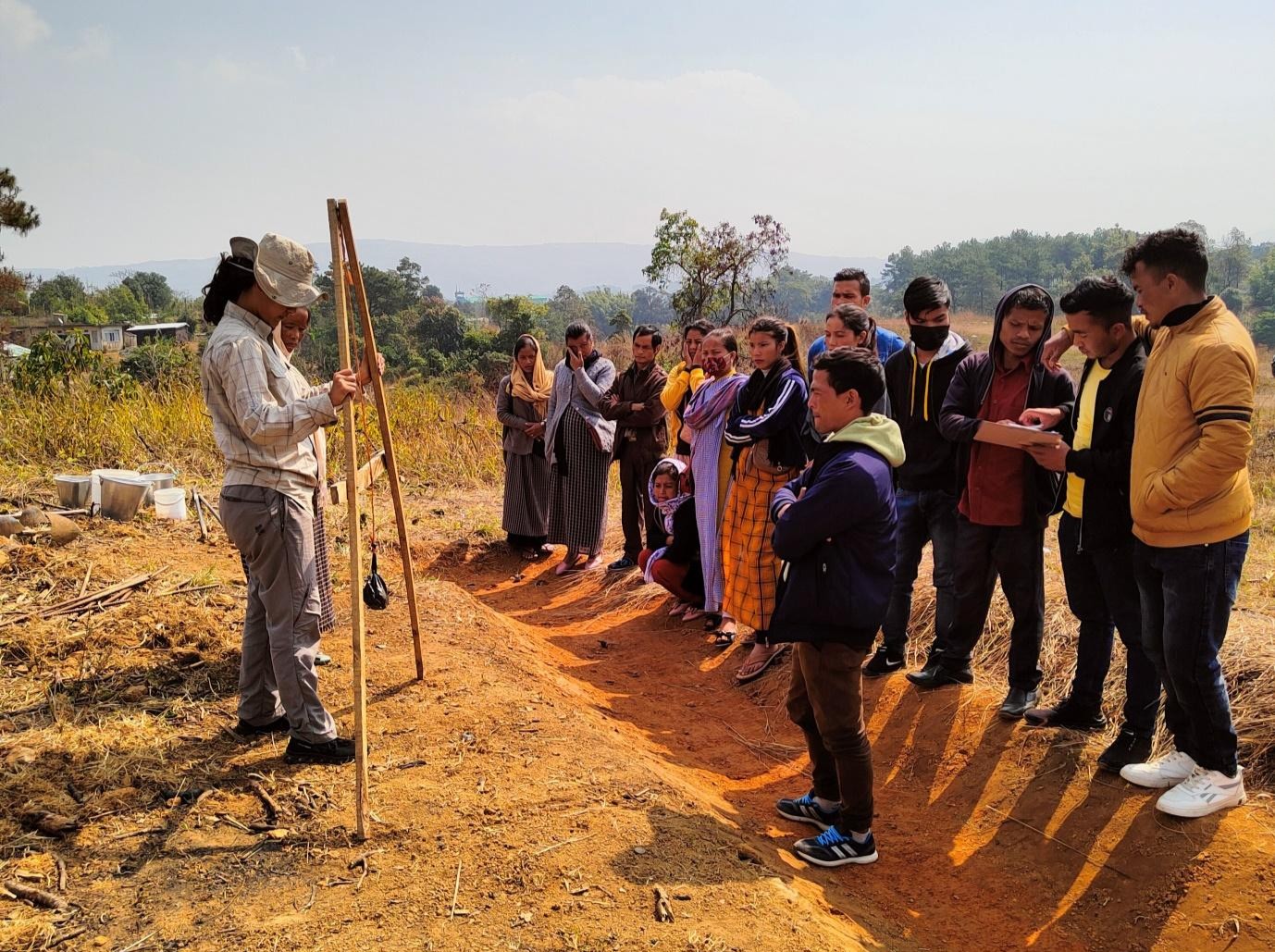
The primary water conservation technique is the creation of on-contour swales. On-contour swales are shallow trenches dug along the natural contour lines of the land. Instead of allowing rainwater to run downhill and carry away soil, the trench slows the water, collects it, and gives it time to soak into the ground. The loose soil removed from the trench is placed just below it, forming a long, gently shaped mound called a berm. This berm helps hold moisture, reduce erosion, and create a fertile planting area. Over time, the swale becomes a living system where water, soil, plants, and microorganisms support each other. After the swales are created, nitrogen-fixing plants are often planted first to improve soil fertility. Grasses such as Vetiver can also be planted to stabilize the trench and berm with their deep roots. As organic matter builds up and the soil becomes richer, food-producing trees, native species, or other crops can be planted. In this way, on-contour swales help restore degraded land by increasing water absorption, improving soil health, reducing erosion, and creating productive conditions for agroforestry, natural regeneration, and long-term ecosystem restoration.
People
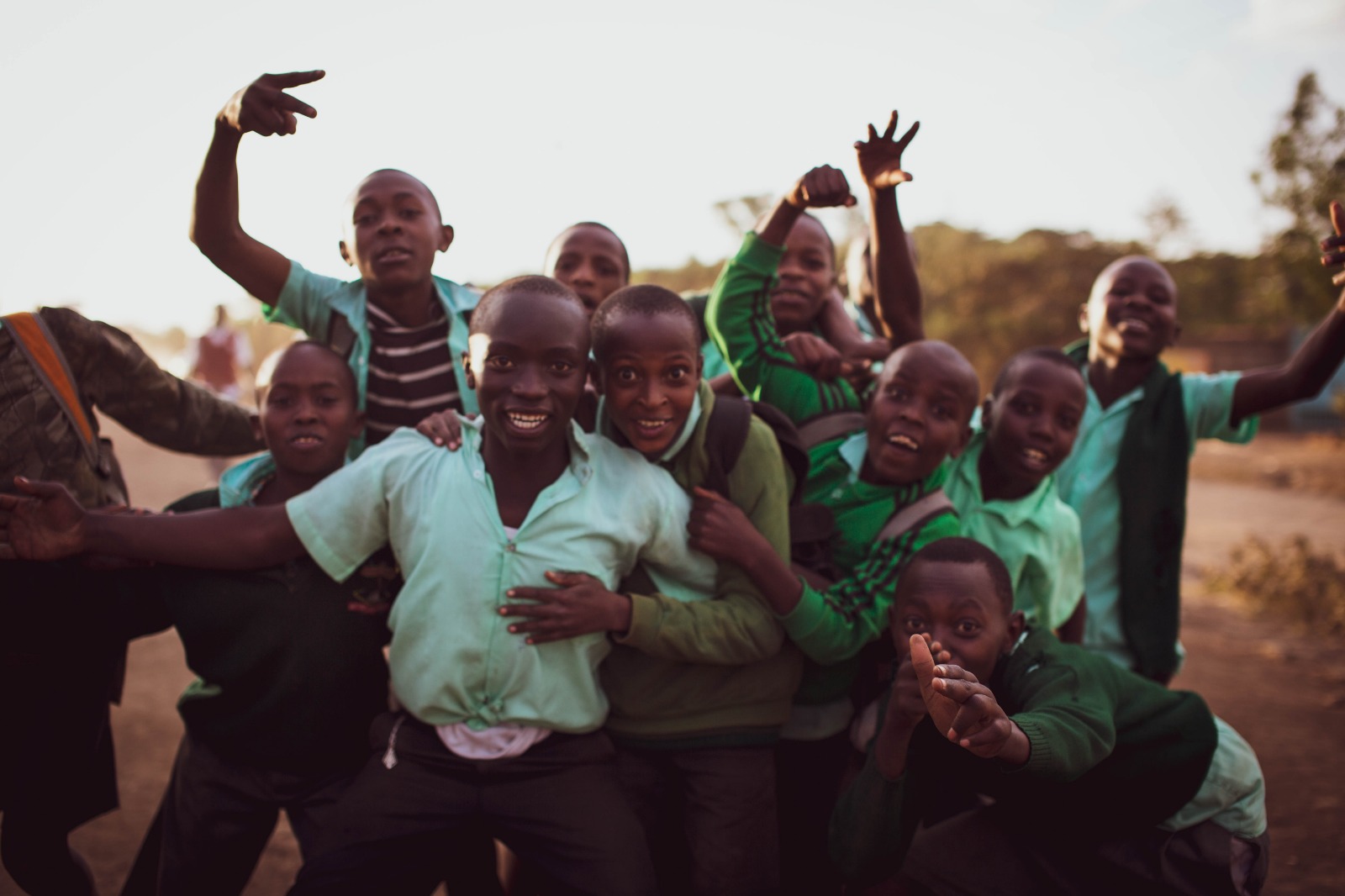
Sadhana Forest is a forest to grow people. We deeply care about people and are committed to their empowerment and resilience. We want to create wholesome, natural environments that are deeply transformative. Through hands-on, immersive learning, we want to give people the knowledge and skills to transform their environment, live healthily and sustainably lives and take ownership over their lives.
We want to reach those that need our support the most and are prepared to go the extra mile. We aim to make our work accessible to all, removing all possible barriers. Diversity, equity and inclusion are of paramount important to us. We especially invest in youth, women, indigenous and underprivileged communities, to help everyone reach their maximum potential. We understand the importance of local and indigenous stewardship for the preservation of the land and give maximum responsibility to local people.
Sustainable living and ecosystem regeneration training and outreach
Our Mission
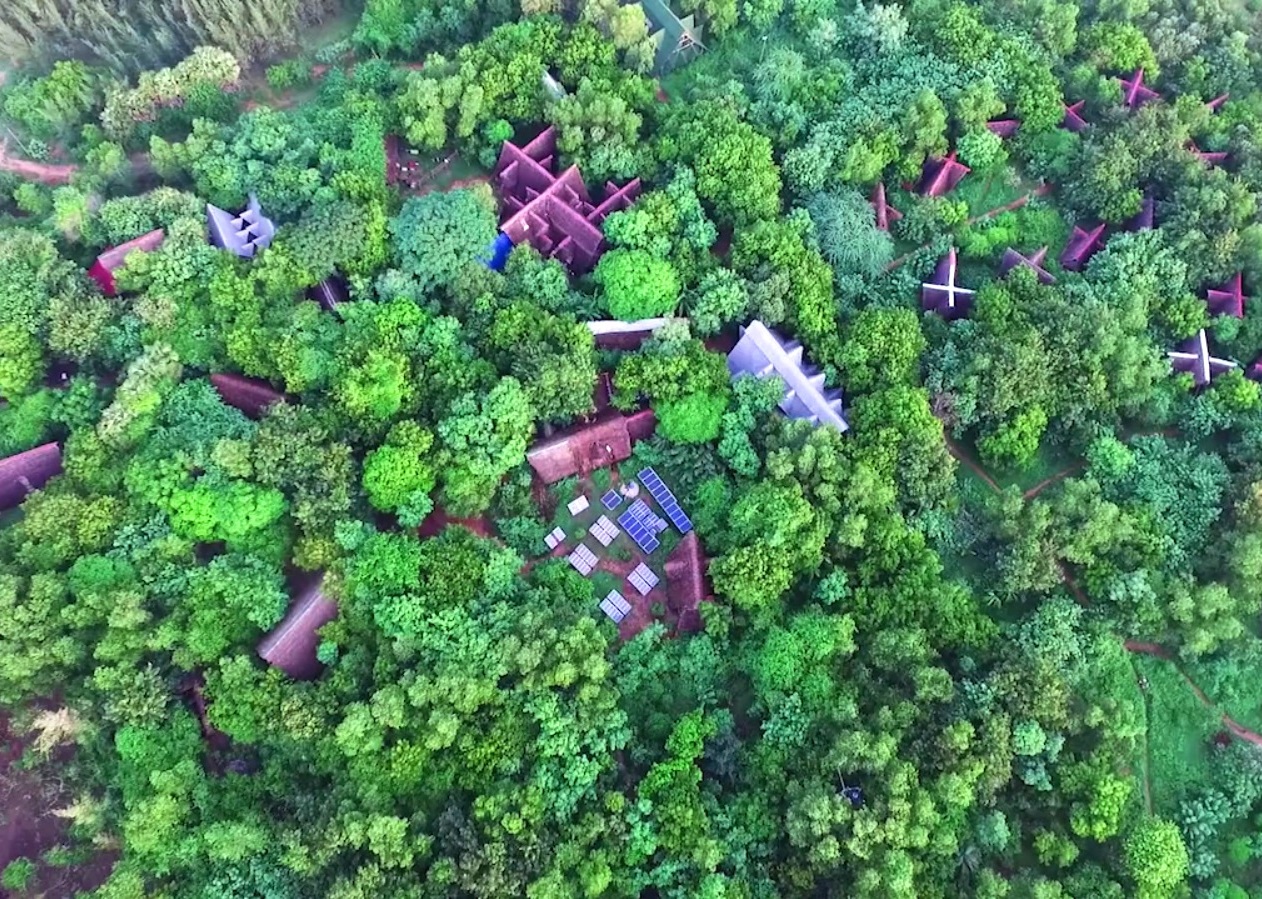
The original Sadhana Forest is located in the international township of Auroville, Tamil Nadu, South India, right outside of the city of Pondicherry. This center works on restoring the indigenous Tropical Dry Evergreen Forest (TDEF) on 70 acres of once barren land. We focus on outreach and educating the general public in ecosystem restoration, sustainable living and our values. Every year 1,500 volunteers from 50 different countries stay with us, making it the largest secular residential volunteer program in the world. Volunteers get immersed in service and community life, which is often a transformative experience for them. Around 20,000 people visit our campus and get introduced to our work. The center serves as a training ground for our team members and our fellowships. It also hosts many events and initiatives centered around our core values.
Our Vision
- To create a model for sustainable and compassionate community living, in harmony with nature, animals and humans from all walks of life.
- To showcase the potential of ecological restoration.
- To grow the next generation of environmental leaders.
- To introduce the world to the transformative power of veganism, gift economy, collaboration, natural learning, seva and all our core values.
Our principles
- We dedicate ourselves to service and offer our energy wholeheartedly wherever it is needed.
- We want to inspire people to make positive changes in their lives by letting them be part of a different way of living.
- We value personal growth and transformation.
- Everyone has a place here. We celebrate diversity. Our door is always open and we are continuously trying to find ways to make our experience available to more and more people.
- We live by very strong ethical values, are grassroots and run by passionate volunteers.
Rural land restoration and food security centers
Our Mission
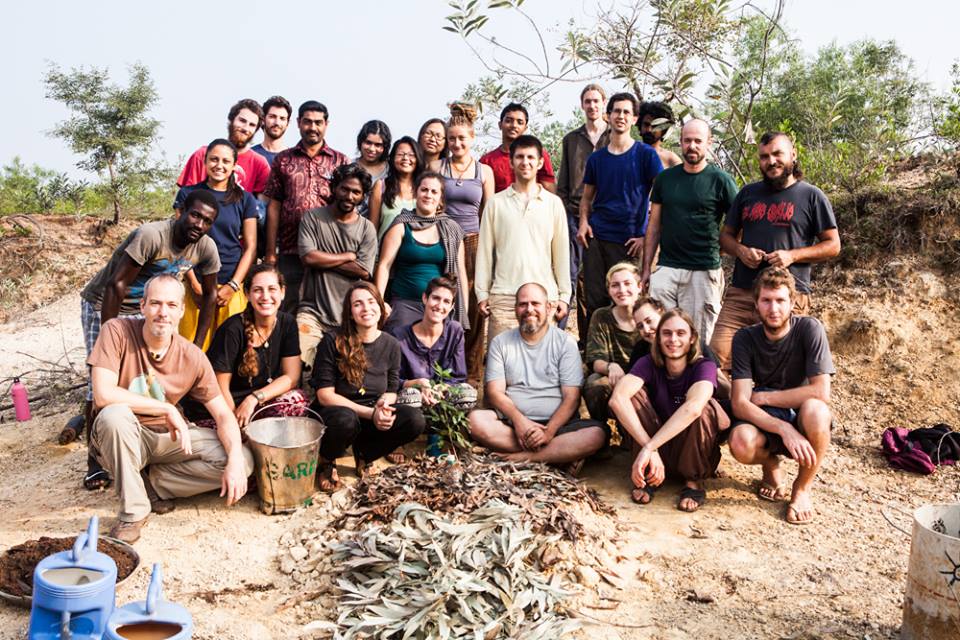
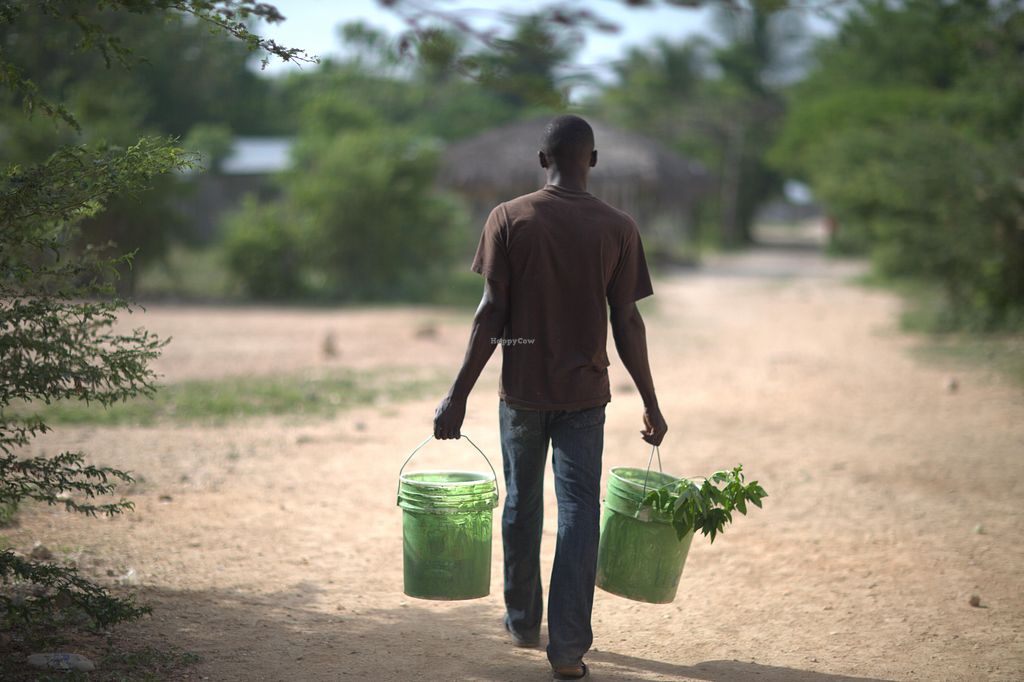
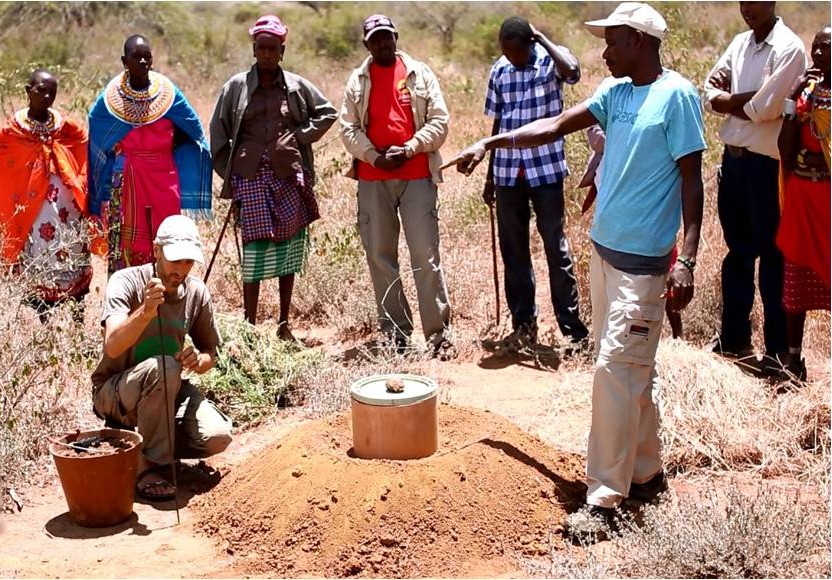
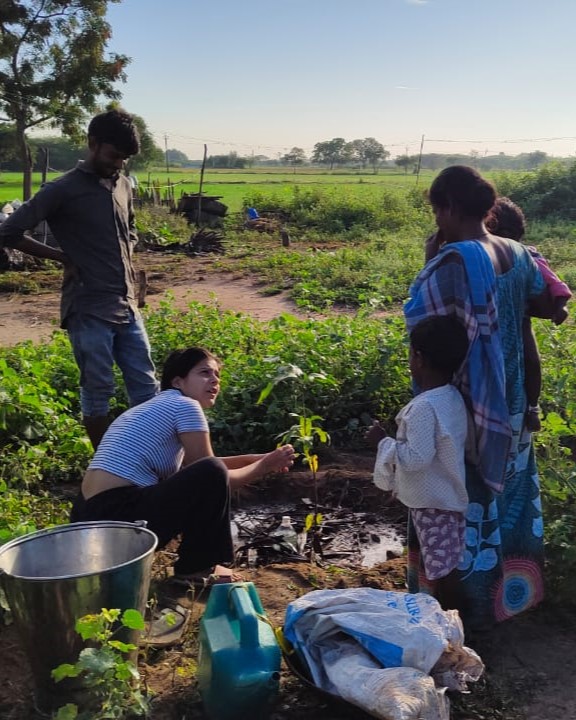
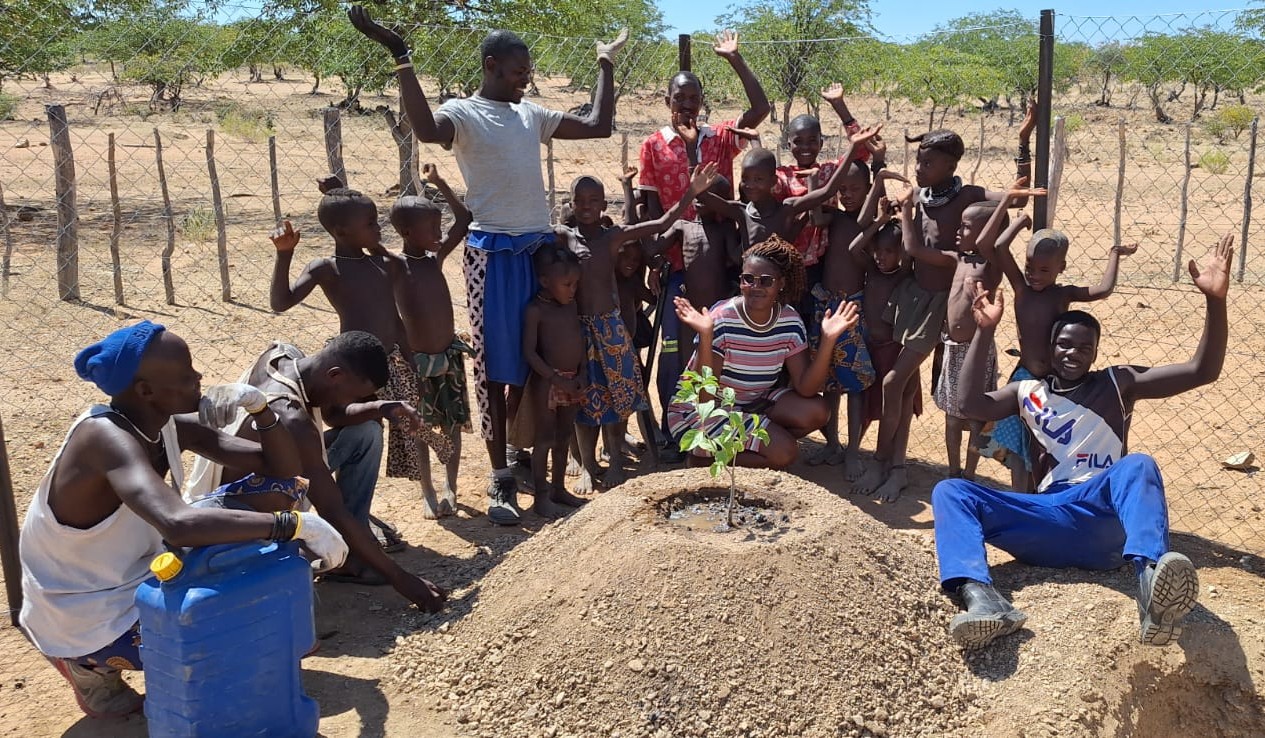
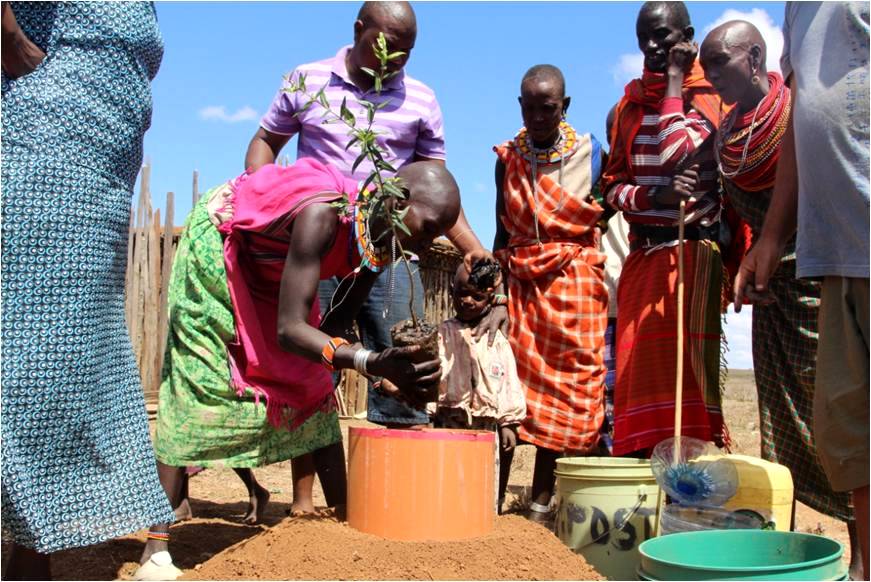
Sadhana Forest’s operates 7 centers in remote rural areas across the Global South. We work together with marginalized communities who are facing the brunt of climate change and land degradation and suffer from malnutrition as a result. Because of topsoil loss and limited access to resources, conventional agriculture is not a viable solution for these populations. Instead, we plant indigenous food-producing trees with them around their homes, which are adapted to the local climate, effectively creating long-term food forests. We provide them with training in water conservation and reforestation of barren lands. In this way we help them regenerate their land, build climate resilience and long-term food security at the same time.
Our Vision
We believe that indigenous food forests can feed the world, reverse land degradation and mitigate climate change. Millions of people could benefit from our approach. We would like to scale up our approach and start Sadhana Forests in barren lands all across the Global South. Support us or join our team If you would like to help make this possible.
We estimate that 200 million people in the world suffer from malnutrition but have access to land. Because of climate change, deforestation and land degradation, their traditional way of life (subsistence farming or pastoralism) is becoming increasingly unsustainable. They lack the know-how and resources to continue to live and feed themselves in their ancestral lands. Members of these communities increasingly leave for the cities or become climate refugees, and struggle to make ends meet. The Sadhana Forest model could benefit millions of people, offering them a way to continue to live on their ancestral lands, while being able to feed their families.
Our principles
Our approach is collaborative (Anderson et al.). Before starting any project we spend time on the land and engage in a long and deep dialogue with the local community and local leadership, trying to understand their aspirations, needs and concerns. We discuss with them if and how we can work together in a fruitful way. Every forest is a co-creation, shaped by those who call the land home.
We focus on capacity building by training local people in land restoration. We create resilience and self-sufficiency by helping people meet their dietary needs independently. People have full ownership over the trees we plant with them, as we plant on their private land. We stand with communities as they regenerate their land.
We are accessible and grassroots. Our team lives simply in our off-grid sustainable campuses in the communities where we work. We are in continuous close contact with the local community and build strong mutual ties and deep understanding. Our tree planting and all our services are offered as a gift and free of charge to all those who ask for it.
We go for the long-term. We buy land or lease it long-term and create permanent centers. Our team lives on-site and provides continuous and long-term follow-up and monitoring of planting sites.
We are flexible and adaptive. We are in continuous interaction with the local community and are capable of responding to needs when they arise and adapting our approach to circumstances. We dare to think outside of the box.
We are open and transparent. Our centers can be found on Google Maps and OpenStreetMap, and can be visited by the public. The Kenya center even allows people to stay and volunteer short-term, so they get a hands-on understanding of our work.
We encourage local and female leadership and provide employment to those with the least socio-economic opportunities. Water conservation and reforestation efforts are mostly led by local people. We only hire staff from the local community for our local teams. We put women in leadership positions, even in cultures where this is not the norm.
We are efficient and cost-effective. We use our resources in the most impactful way. All funds go directly to implementation with almost no overhead costs. We are practical and hands-on. We develop and use simple and effective techniques on the land, that can be easily adopted and scaled up in a wide range of environments with limited resources.
We are intrinsically motivated and value-driven. Our international team members are all volunteers. They do their selfless service out of passion without expecting a wage.
We value quality over quantity. We plant trees where it is the most challenging, and aim to make every single tree survive and thrive. Despite the challenging conditions, our survival rate is over 80%. We are not afraid of challenges and respond to them with persistence and creativity. We choose to work with communities living in remote areas with extreme environmental conditions.
We are supported by science. We engage in scientific research that studies our impact and shows us how we can improve.
Read more about our philosophy in our book Humanity 2.0 – 10 Principles for a Compassionate Society, Chapter 9.