
Jaintia Hills Immersion Center
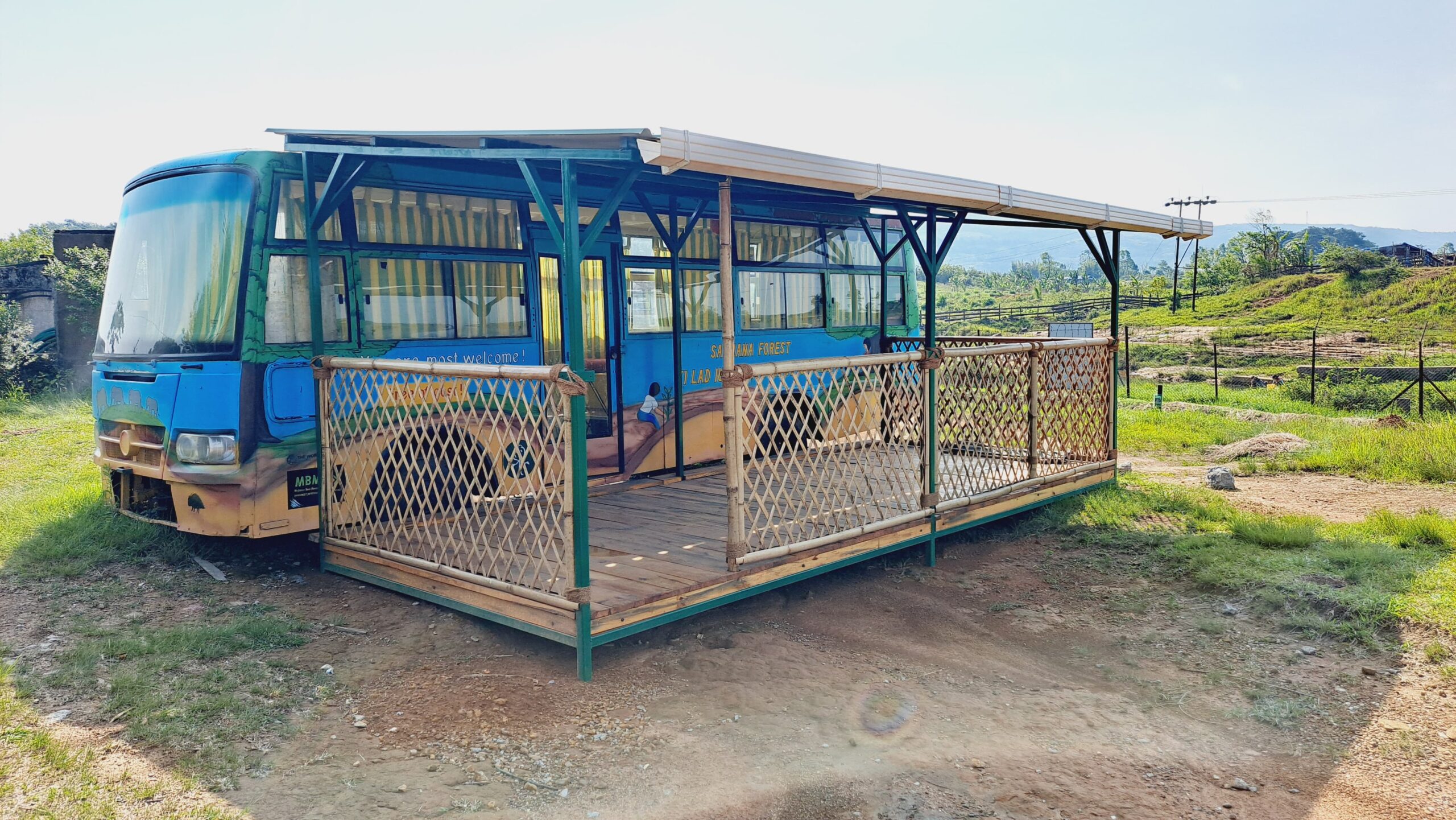
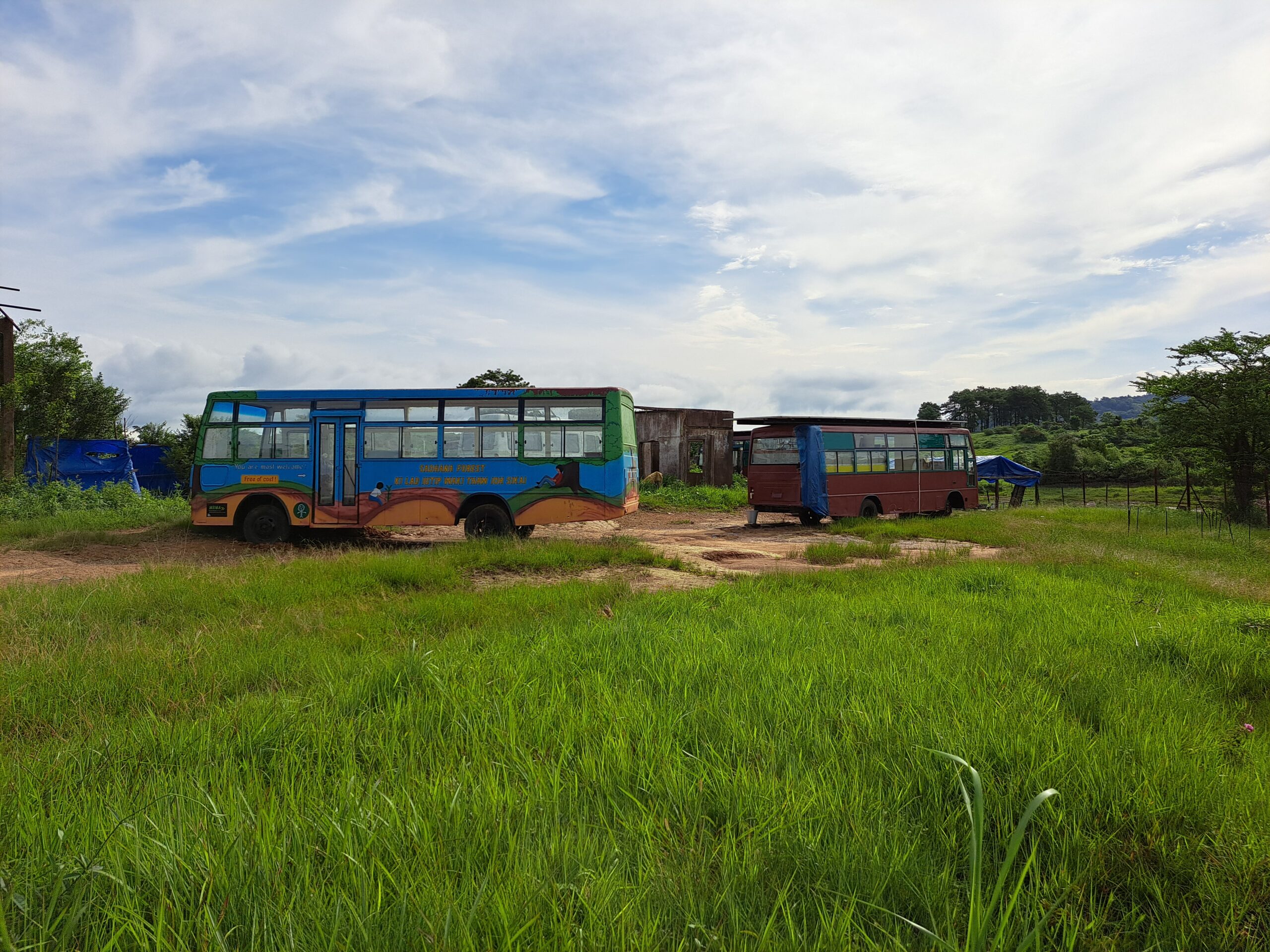
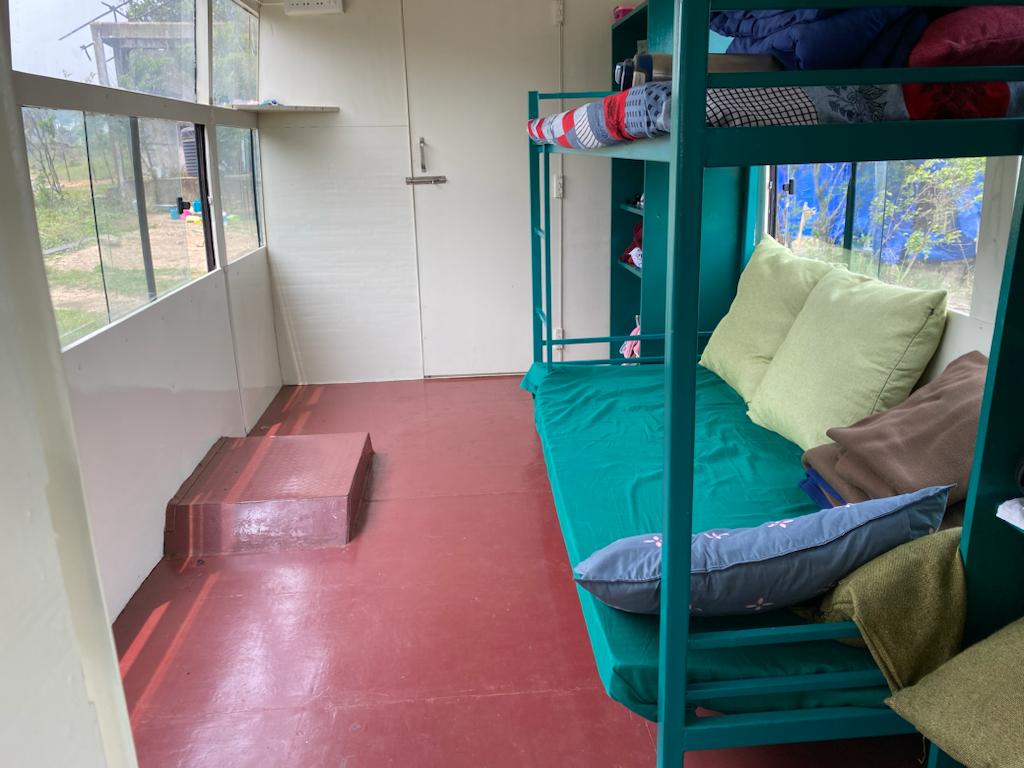
The Jaintia Hills center engages with Jaintia communities whose heritage includes deep respect for ancestral landscapes, traditional farming, and stone-based cultural architecture. The hills are limestone-rich, rugged, and dotted with springs that fluctuate dramatically between seasons. In this landscape, the Jaintia Hills Immersion Center focuses on practical training in water conservation, land restoration, and the regeneration of degraded areas.
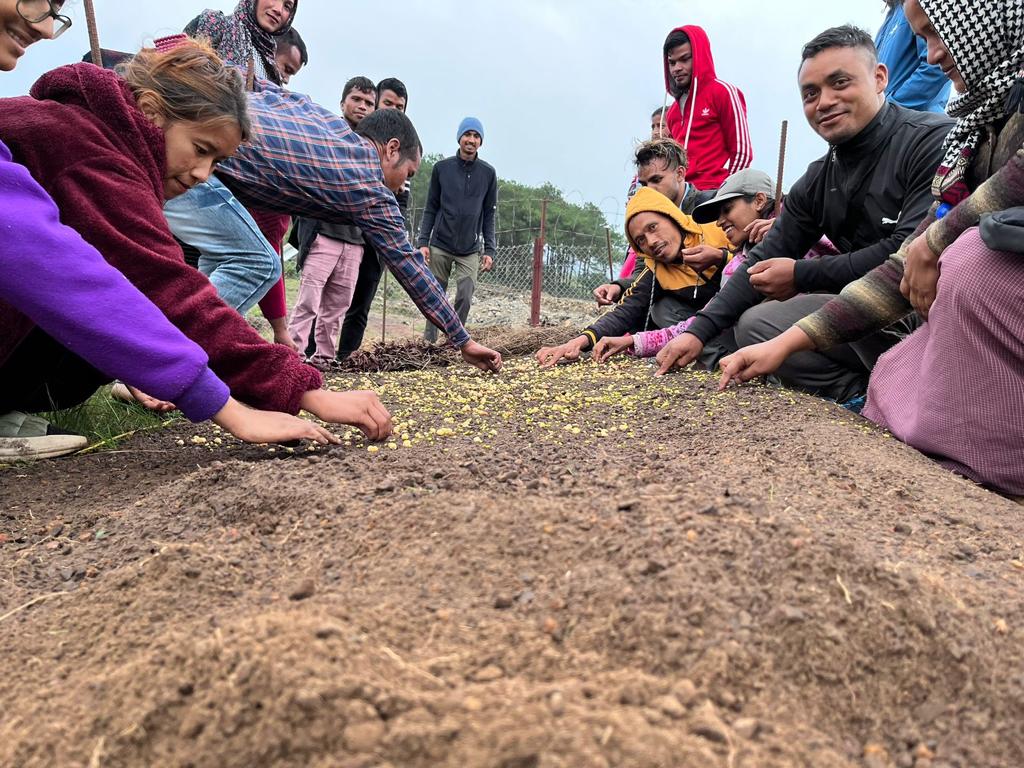
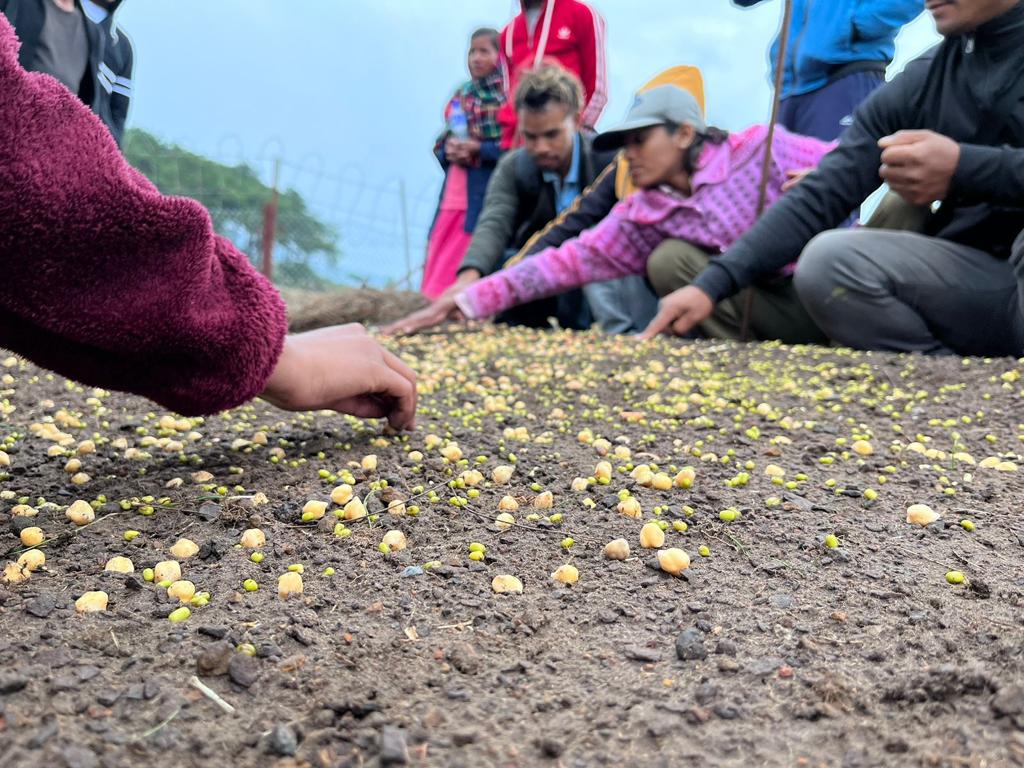
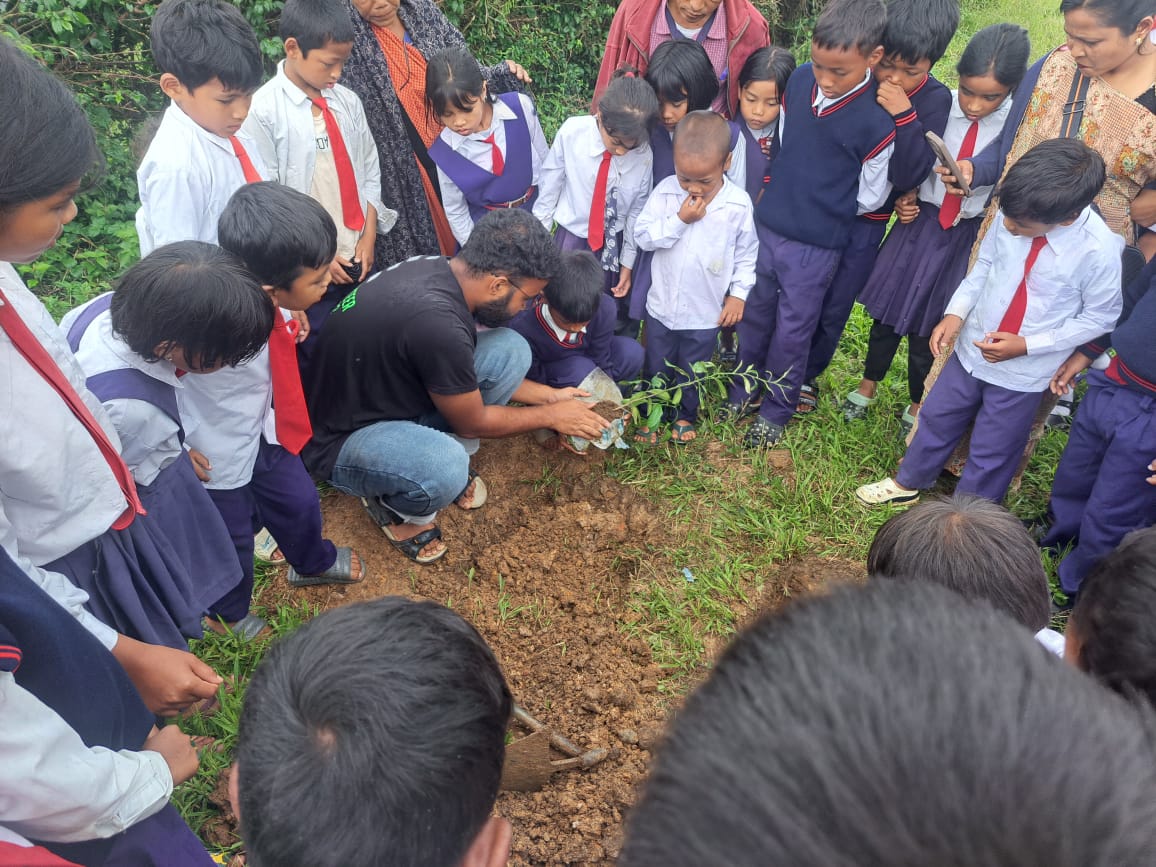
Through trainings at the center, in schools, community spaces, and directly on people’s land, Sadhana Forest shares simple techniques for slowing rainwater runoff, improving soil moisture, reducing erosion, and supporting the growth of native and food-producing trees. The center serves as a local learning space where community knowledge and hands-on restoration practices come together to strengthen long-term resilience.
Community-Led Conservation
The Jaintia Hills center emphasizes community-based conservation approaches that empower local people to become stewards of their forests. We work with Jaintia tribal communities to restore degraded mining areas and protect remaining forests.
We demonstrate sustainable alternatives to destructive mining practices, including agroforestry, organic farming, and forest-based livelihoods that provide income while protecting the environment.
On-contour Swales
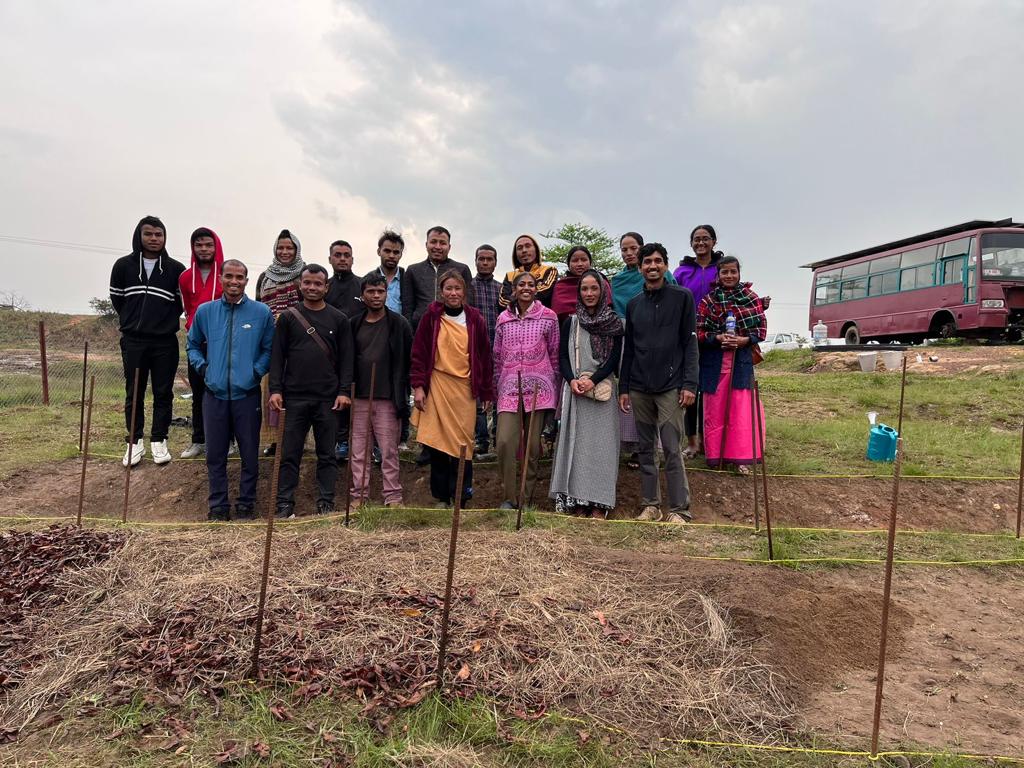
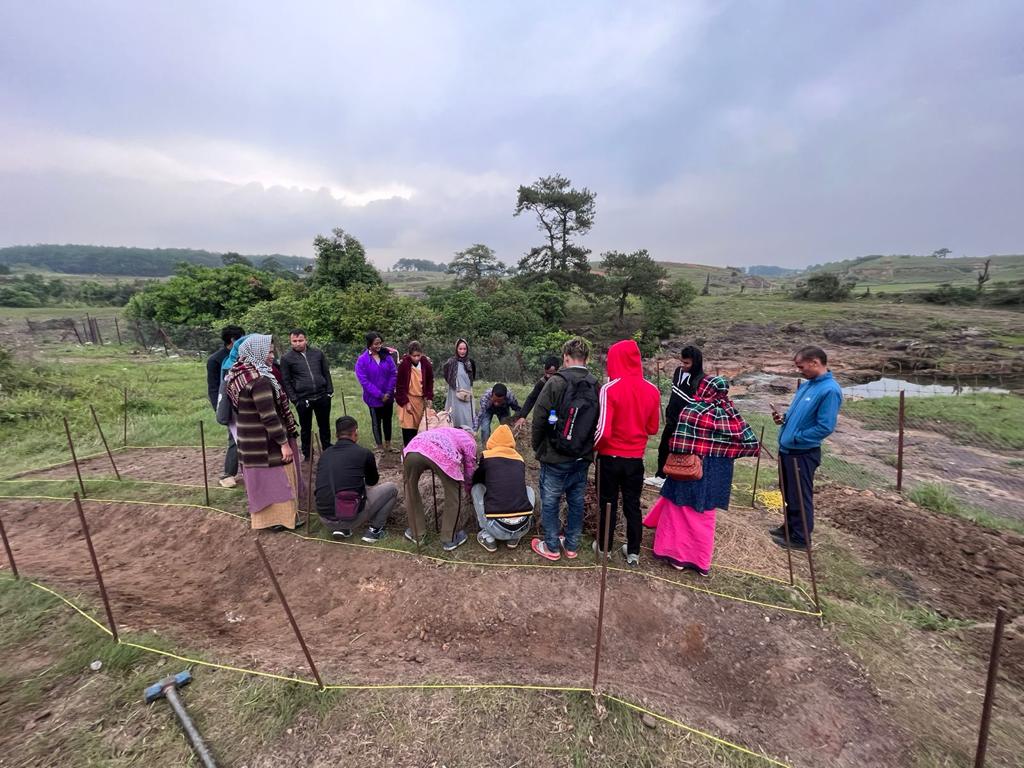
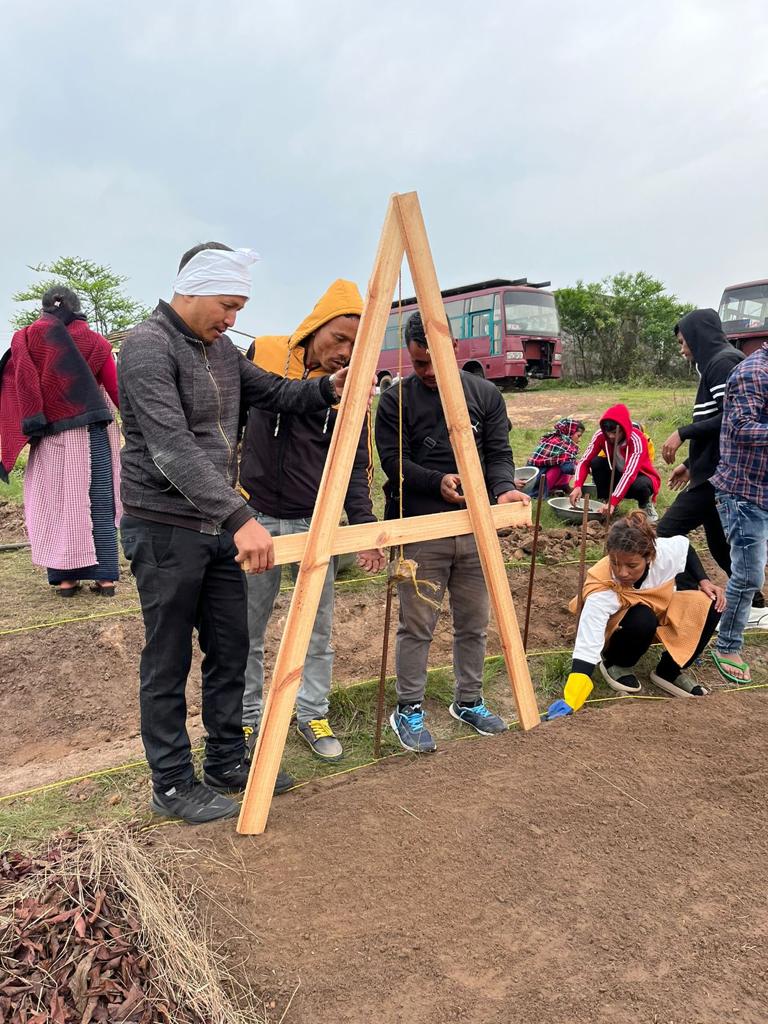
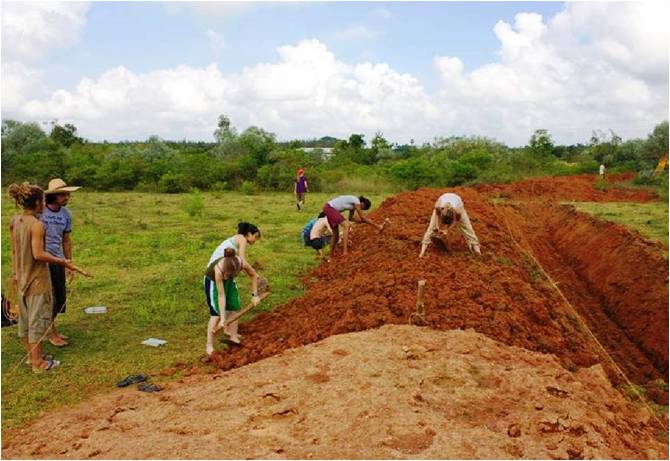
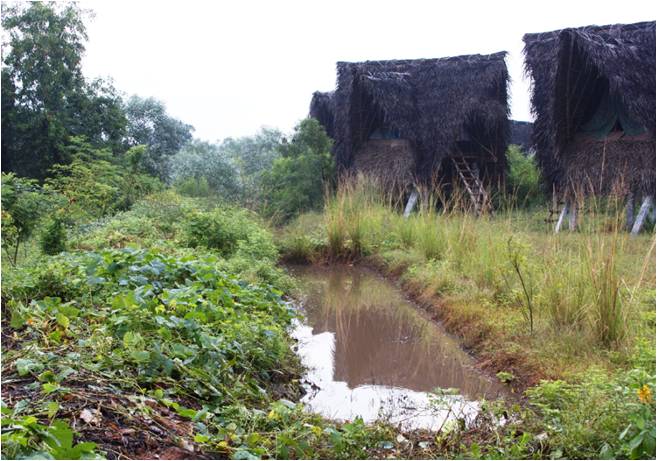
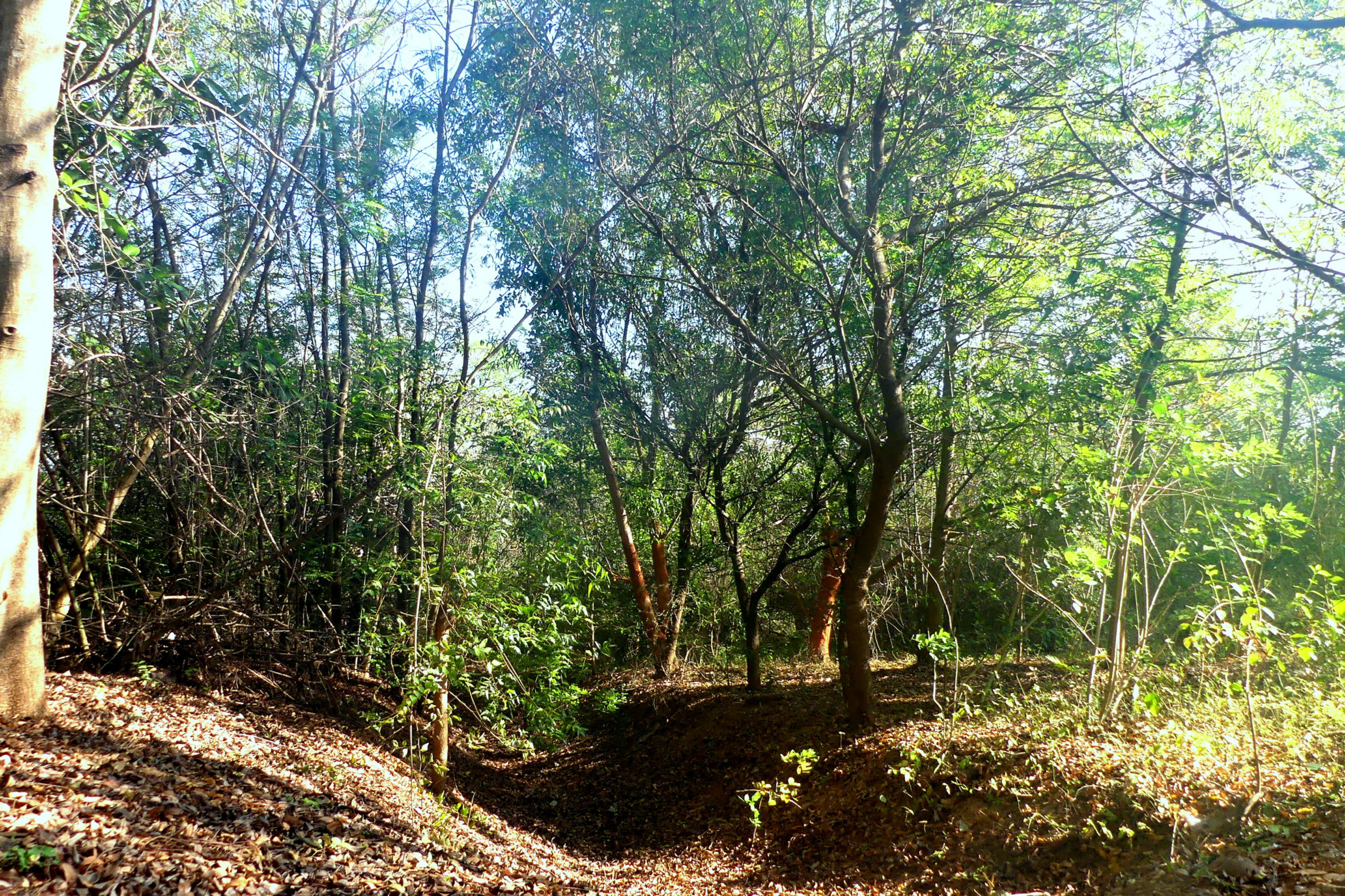
The primary water conservation technique is the creation of on-contour swales. On-contour swales are shallow trenches dug along the natural contour lines of the land. Instead of allowing rainwater to run downhill and carry away soil, the trench slows the water, collects it, and gives it time to soak into the ground. The loose soil removed from the trench is placed just below it, forming a long, gently shaped mound called a berm. This berm helps hold moisture, reduce erosion, and create a fertile planting area. Over time, the swale becomes a living system where water, soil, plants, and microorganisms support each other. After the swales are created, nitrogen-fixing plants are often planted first to improve soil fertility. Grasses such as Vetiver can also be planted to stabilize the trench and berm with their deep roots. As organic matter builds up and the soil becomes richer, food-producing trees, native species, or other crops can be planted. In this way, on-contour swales help restore degraded land by increasing water absorption, improving soil health, reducing erosion, and creating productive conditions for agroforestry, natural regeneration, and long-term ecosystem restoration.
Location
Get Involved
Learn more about how you can contribute to our mission and be part of this transformative journey.