Sadhana Forest Virudhunagar
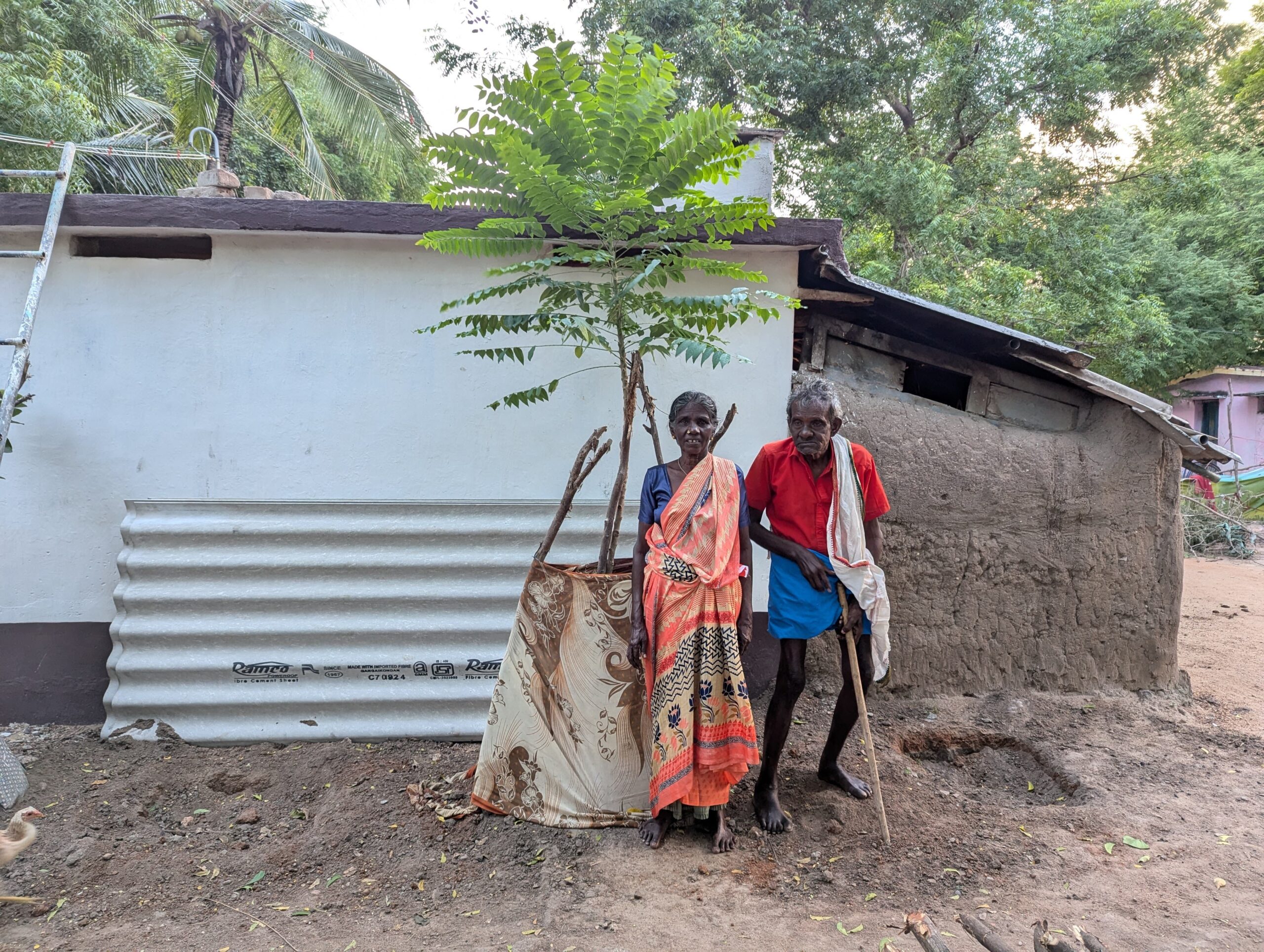
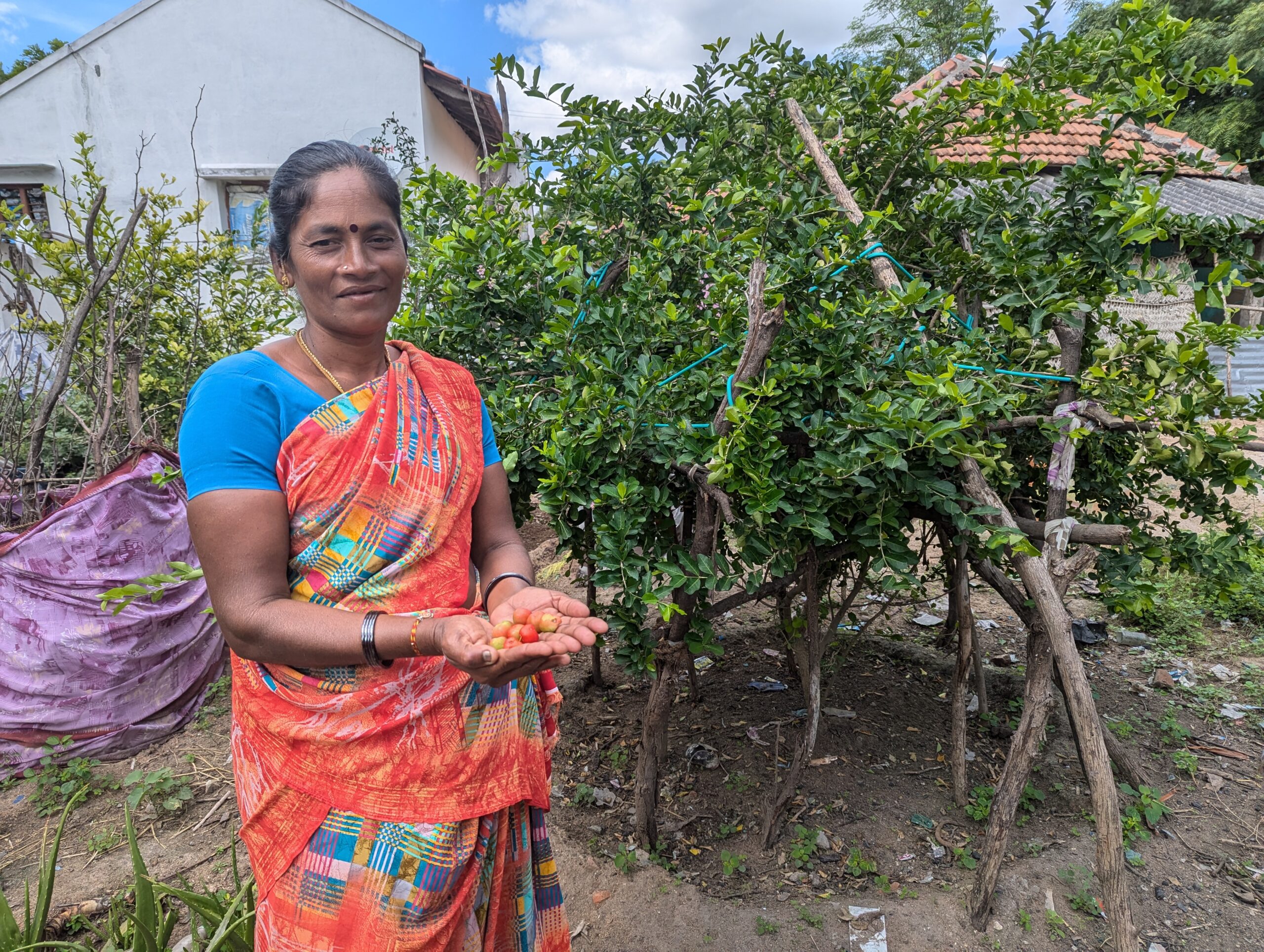
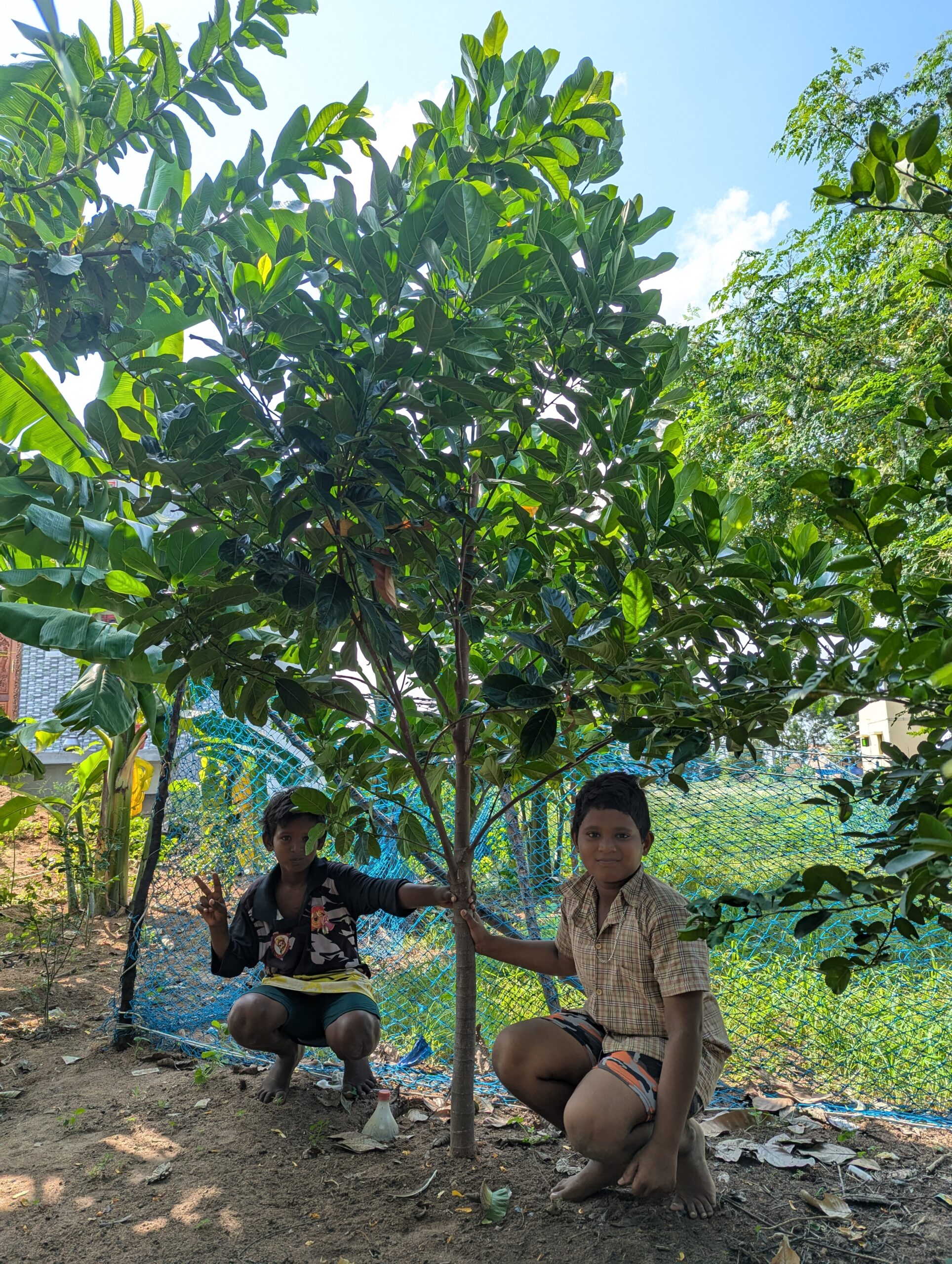
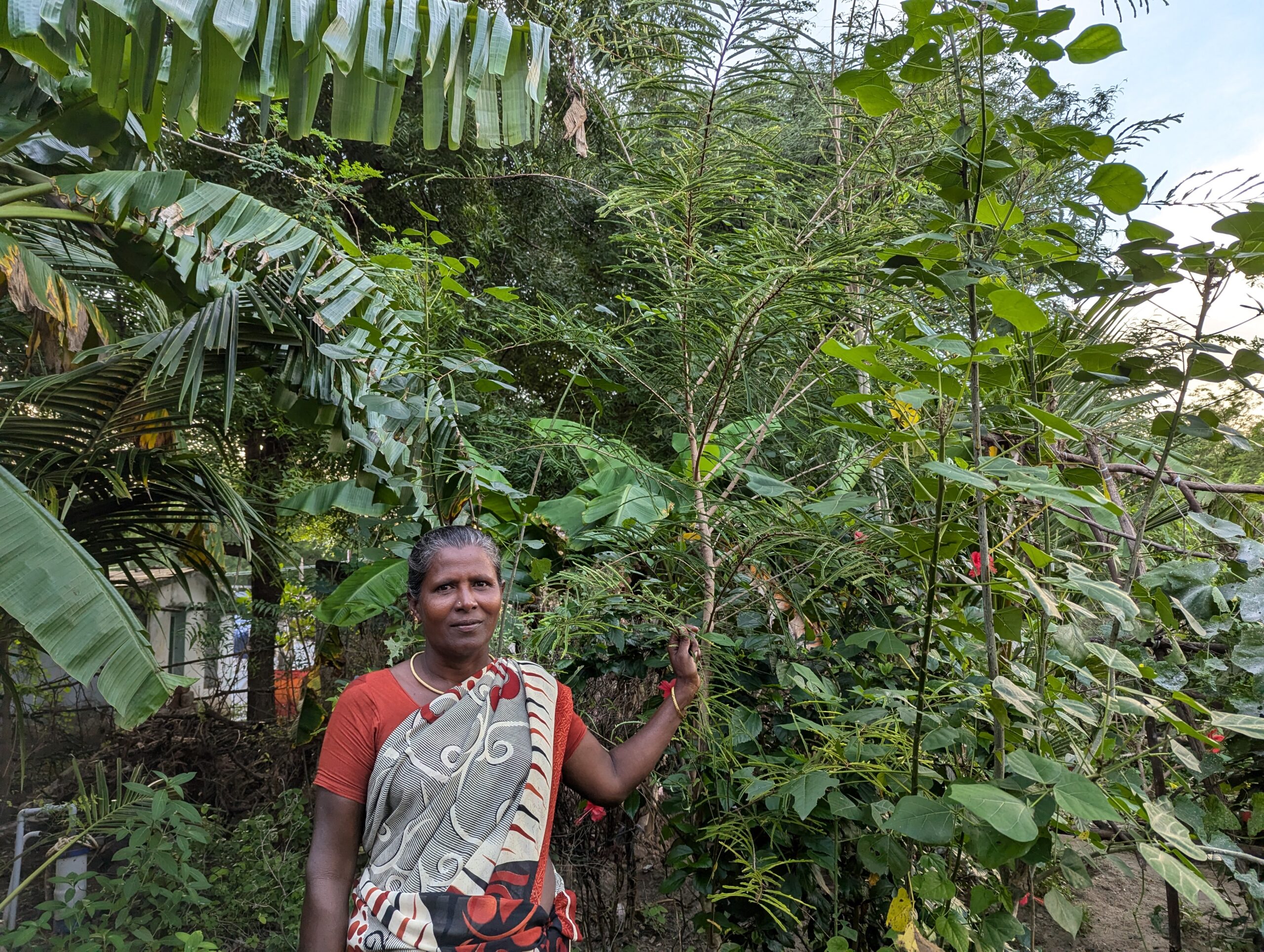
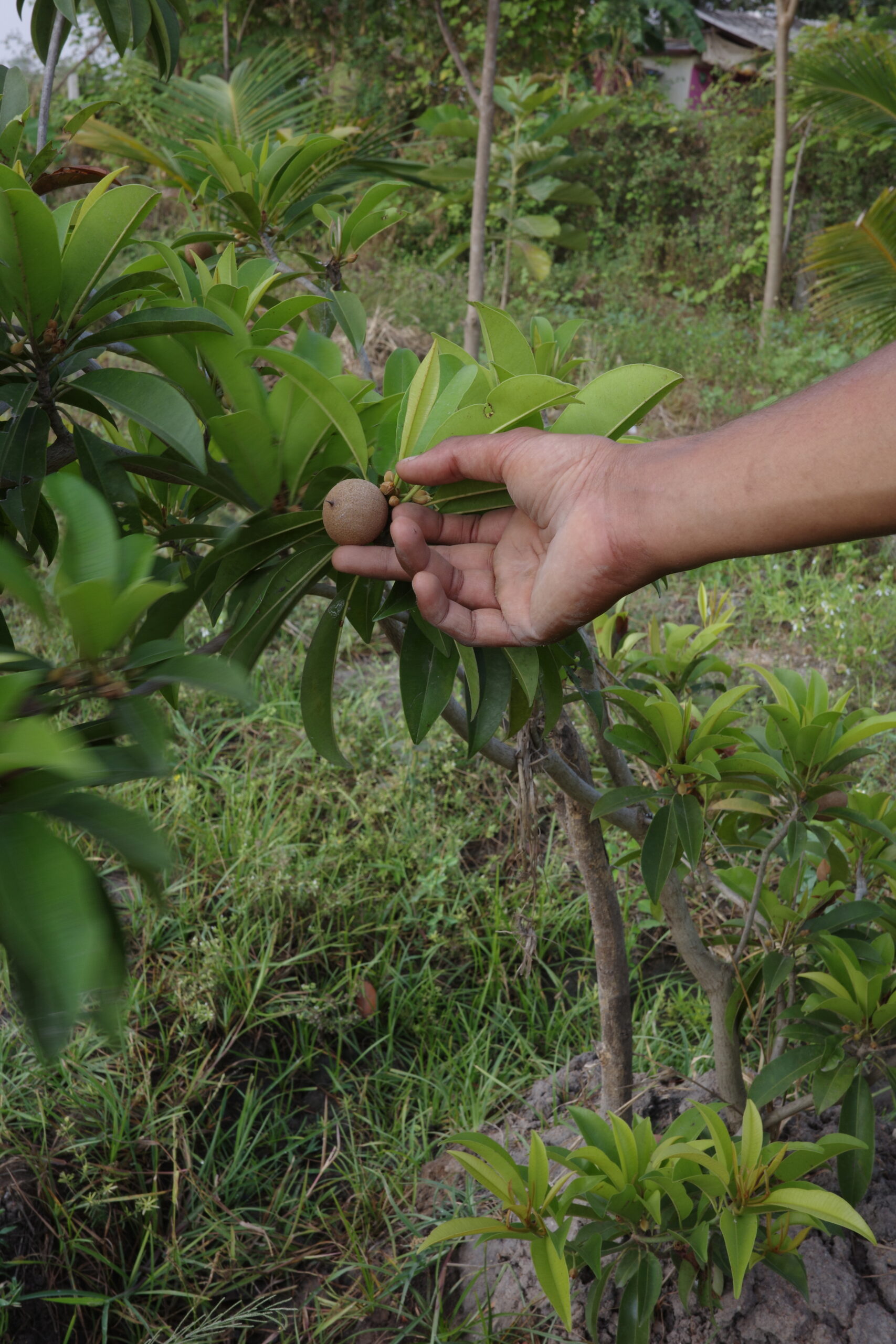
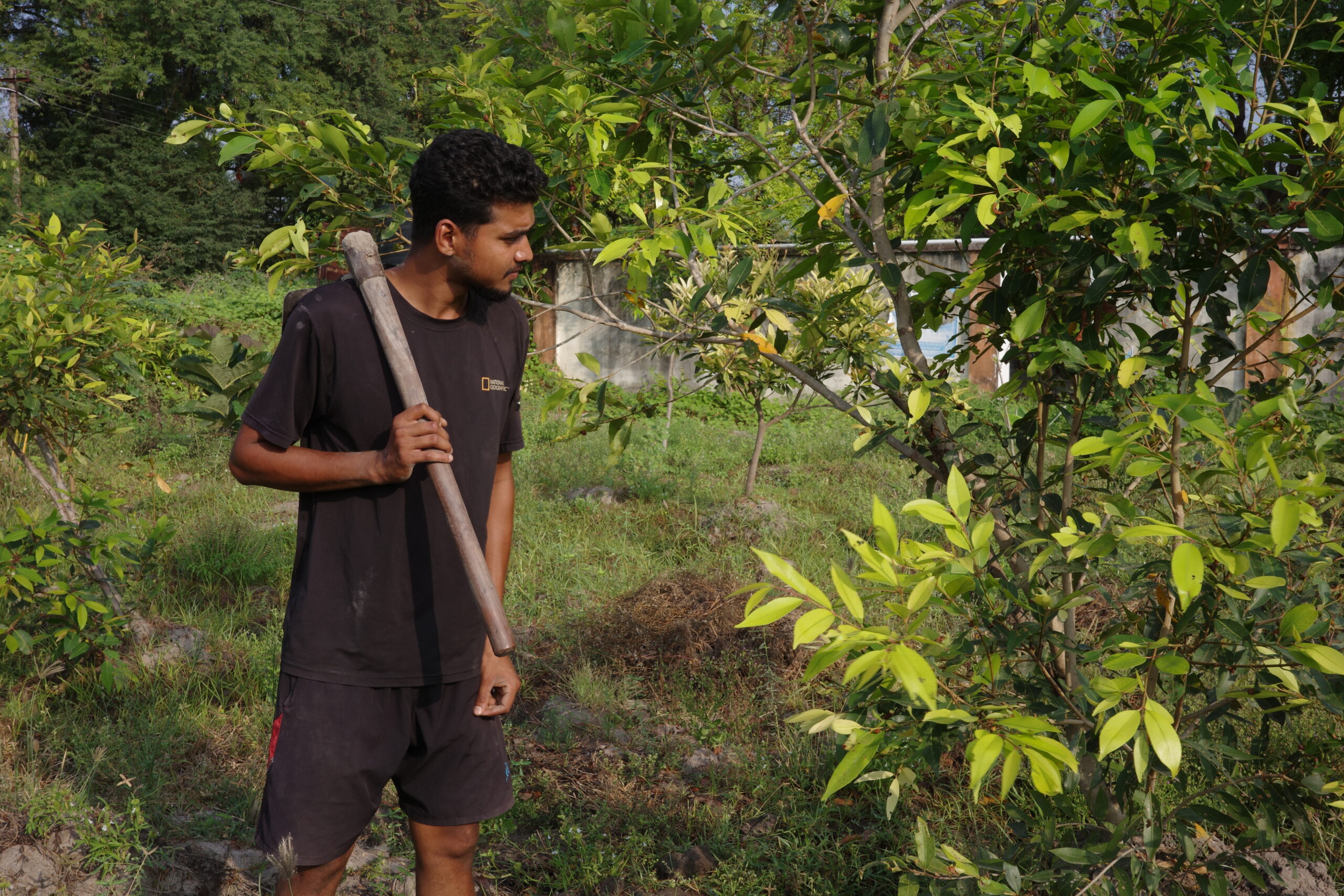
In 2022, Sadhana Forest started a project in Virudhunagar, one of the driest regions of South India, facing some of the country’s highest rates of malnutrition. The project focuses on planting food-producing trees around people’s homes to build long-term food security and self-sufficiency. Set within a landscape of sparse rainfall and recurring droughts, the area reflects the ecological challenges of much of Tamil Nadu’s dry zone, where the loss of tree cover has led to soil erosion and declining groundwater. The work in Virudhunagar is a continuation of Sadhana Forest’s long-term commitment to reviving ecosystems through community-led action and the regeneration of indigenous forests.
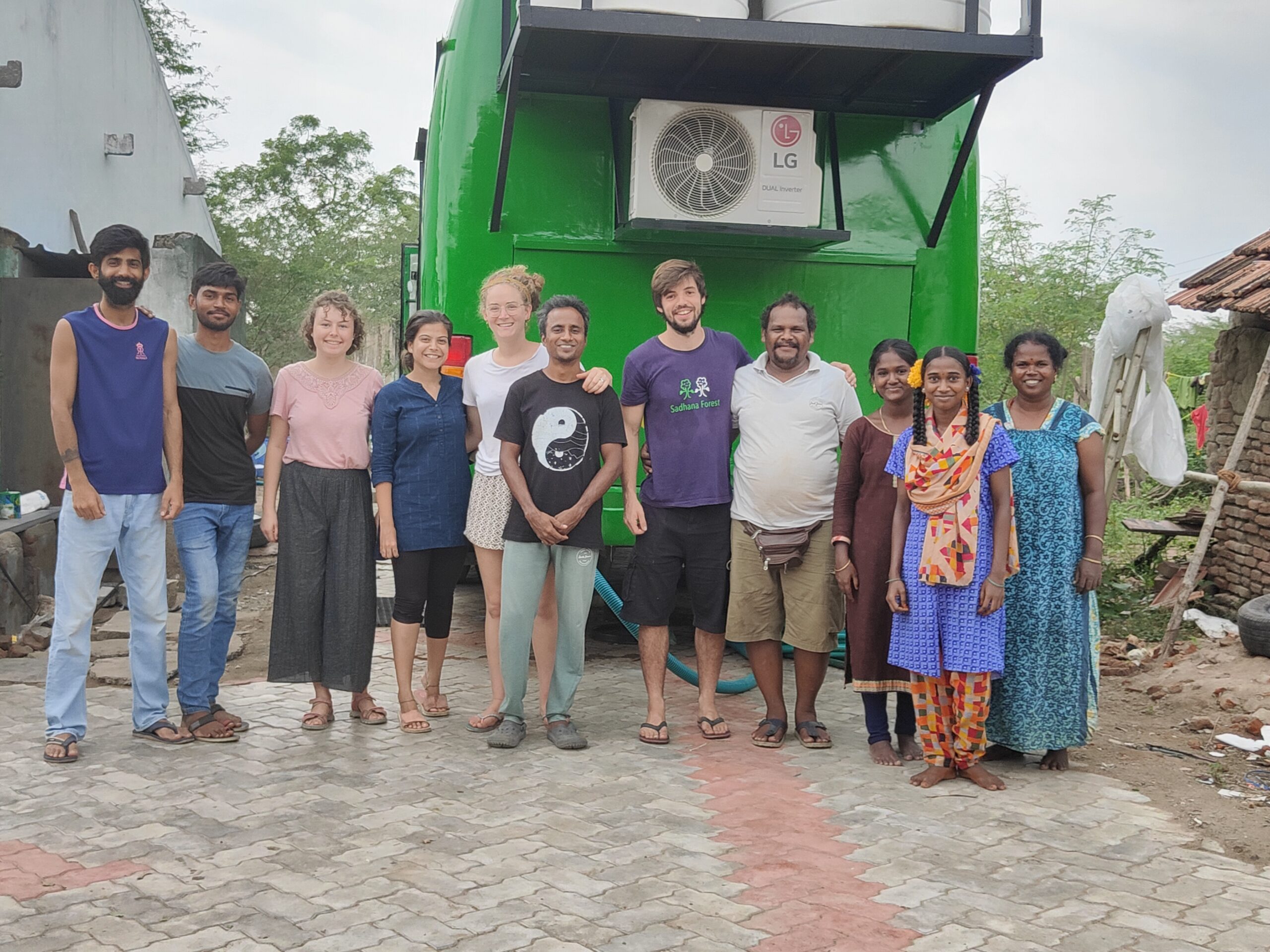
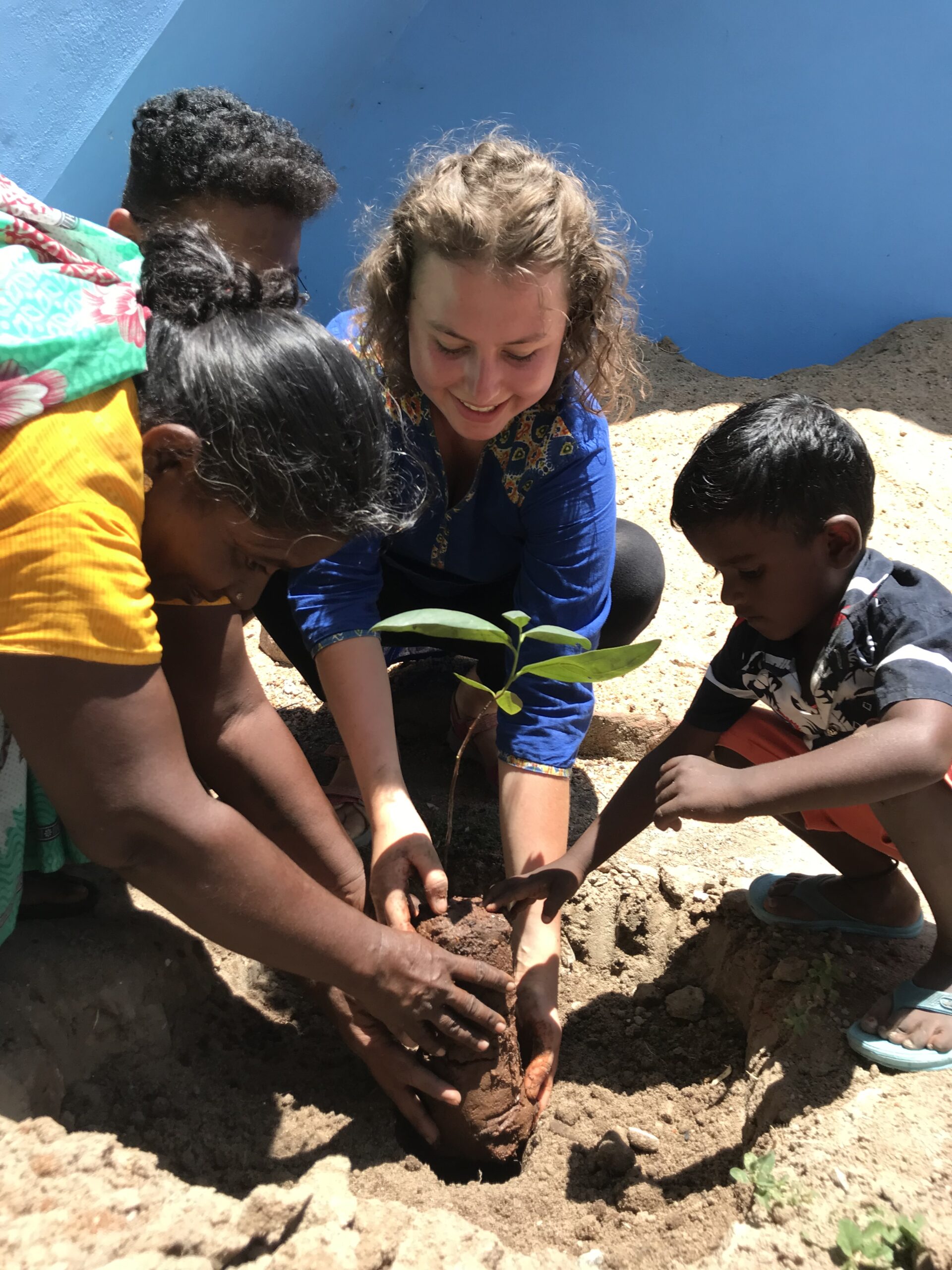
At the start of the project, while scouting locations for the team to establish a base, Sadhana Forest volunteers arrived in a village where they met a woman named Lakshmi. Her curiosity and passion were immediately evident as she eagerly invited them to visit her village and plant trees there. Although the team had not planned to assess any more sites that day, Lakshmi’s enthusiasm was irresistible. They decided to visit her village, where they planted trees alongside her.
From the beginning, Lakshmi was deeply involved, showing remarkable care and creativity. She found her own way to protect young trees by carefully burying mulch to keep chickens from disturbing it. Her gratitude for the team’s presence was heartfelt, and they felt an immediate sense of safety and belonging in her village. This encounter solidified their decision to make it their base.
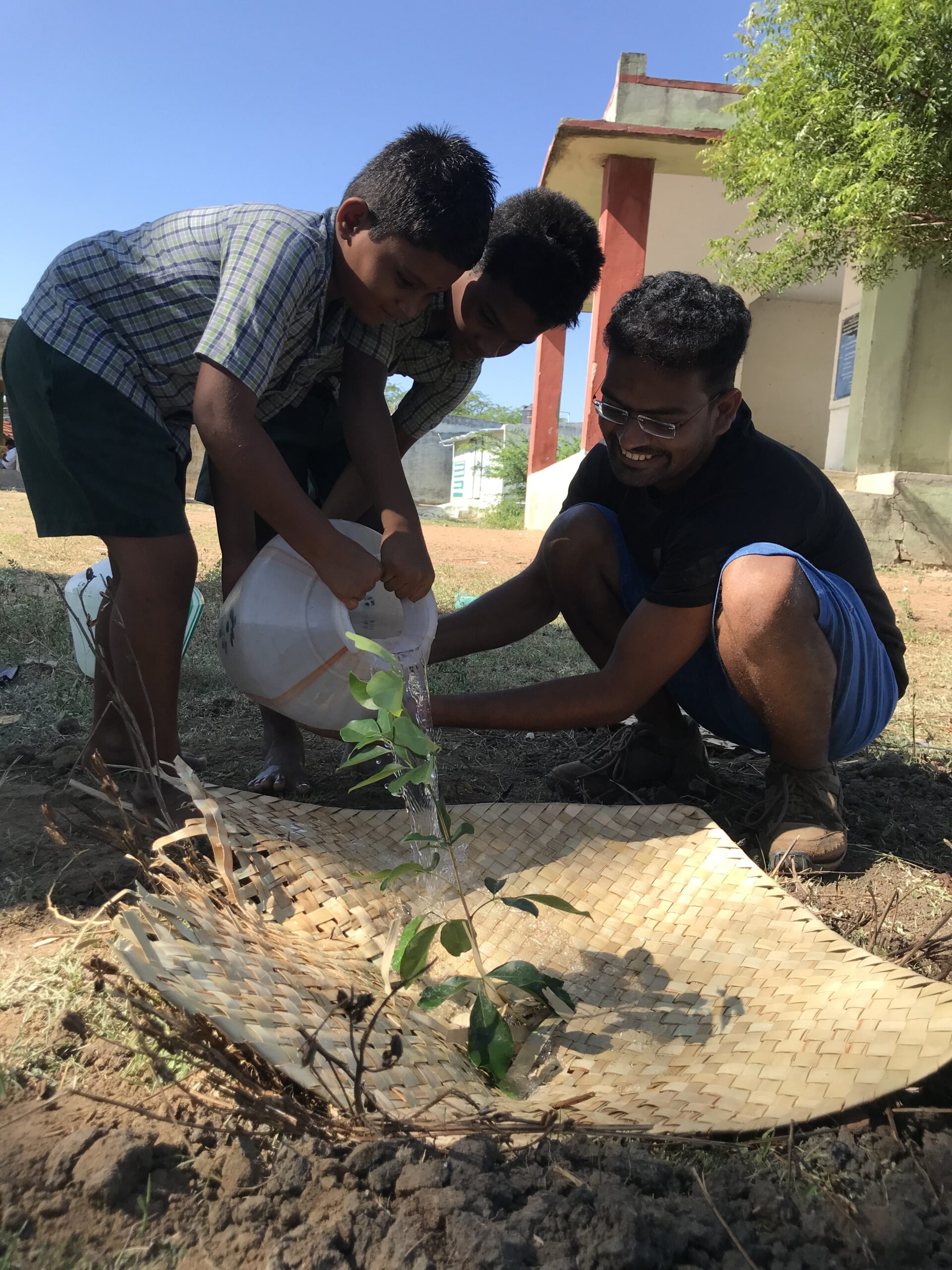
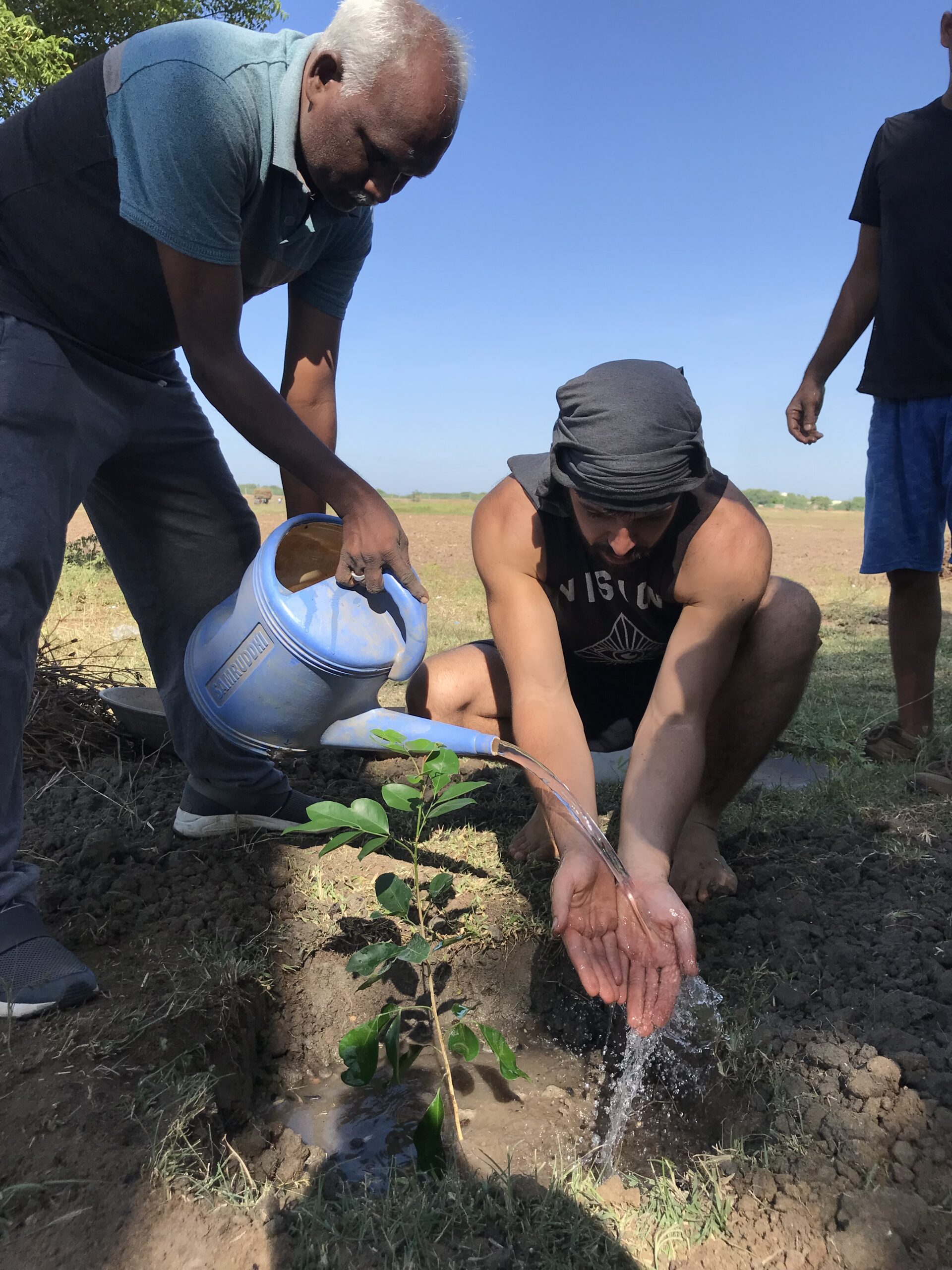
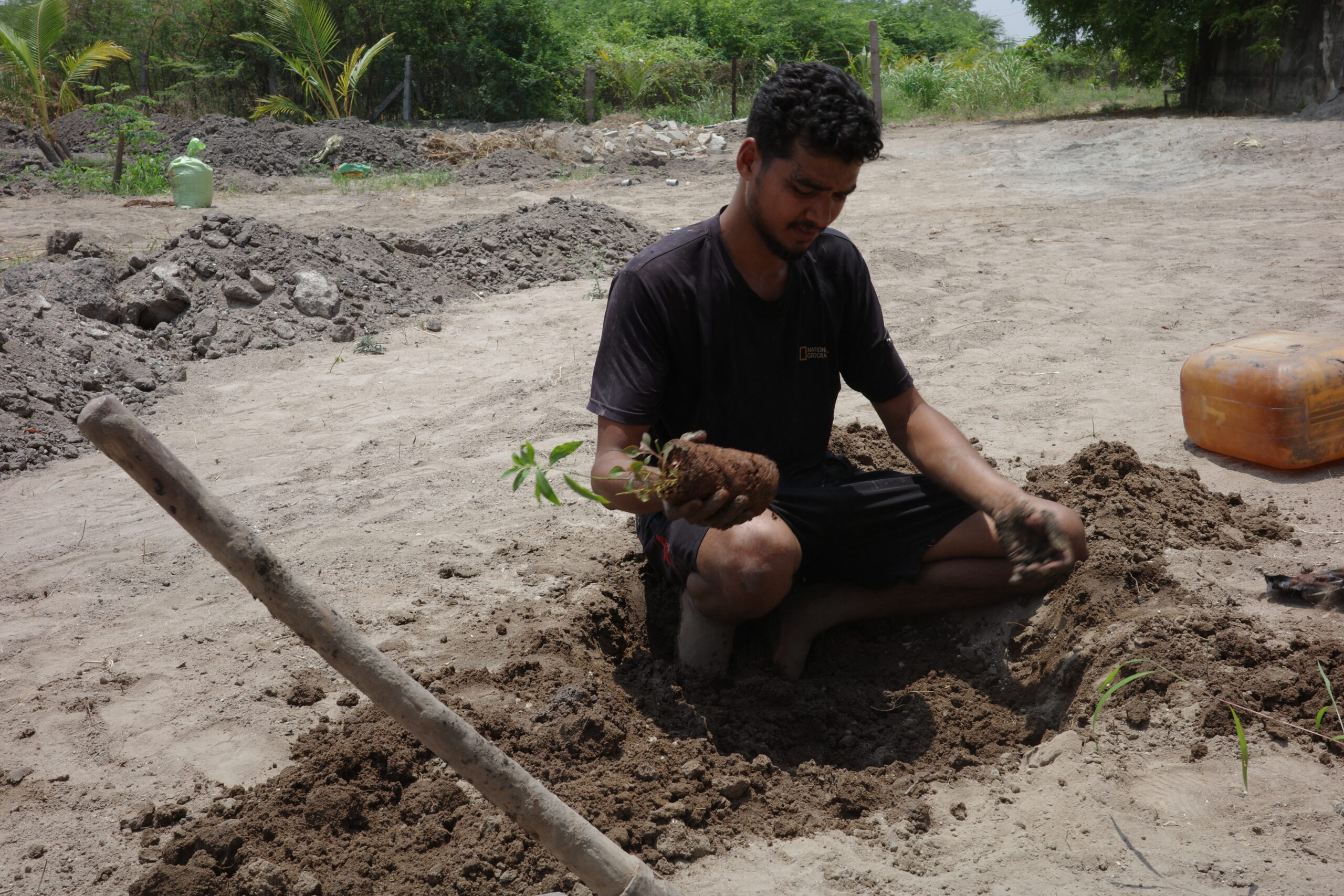
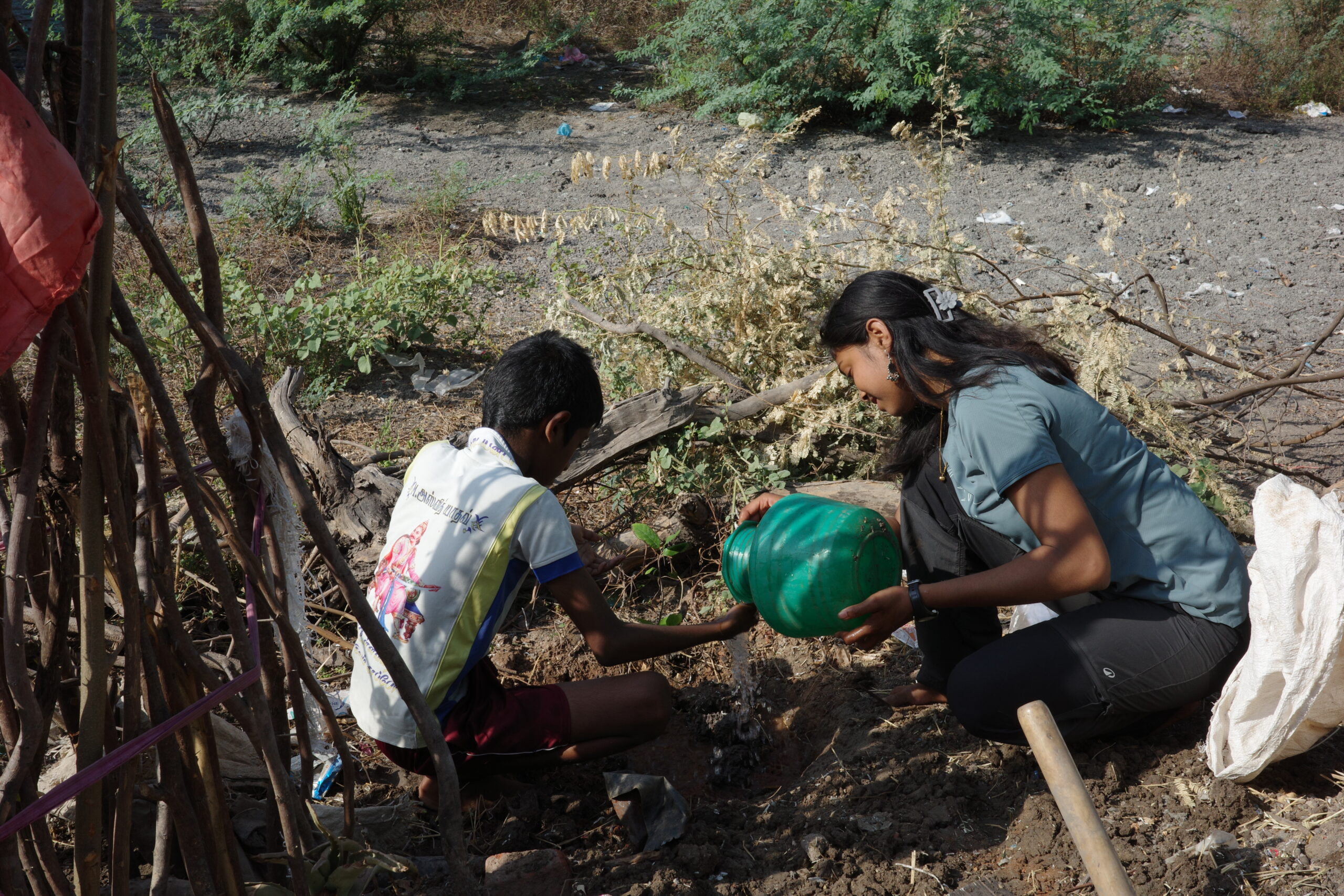
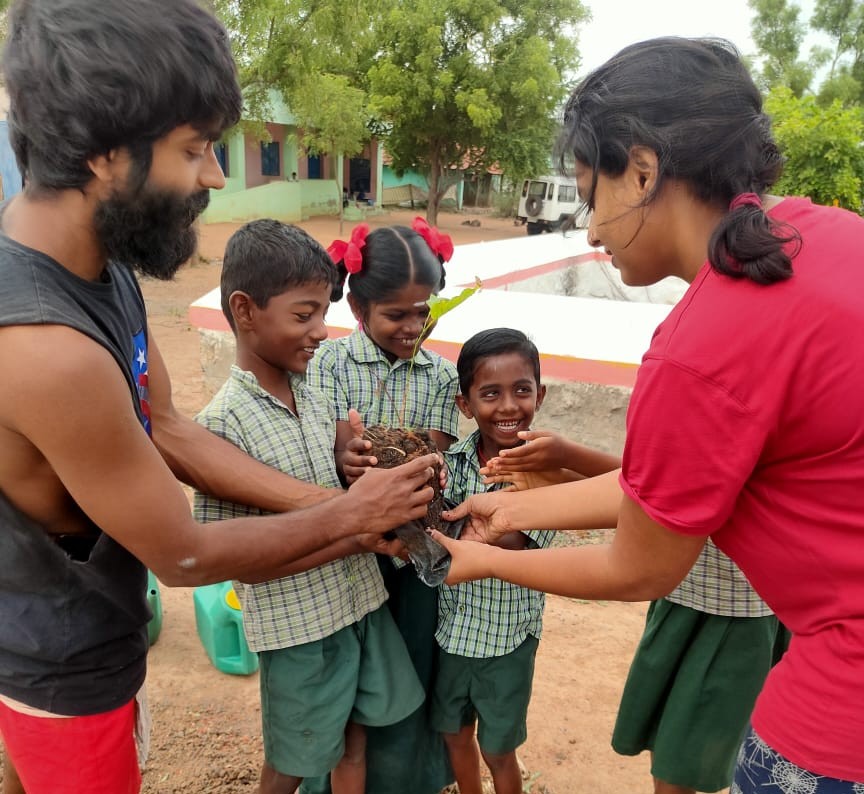
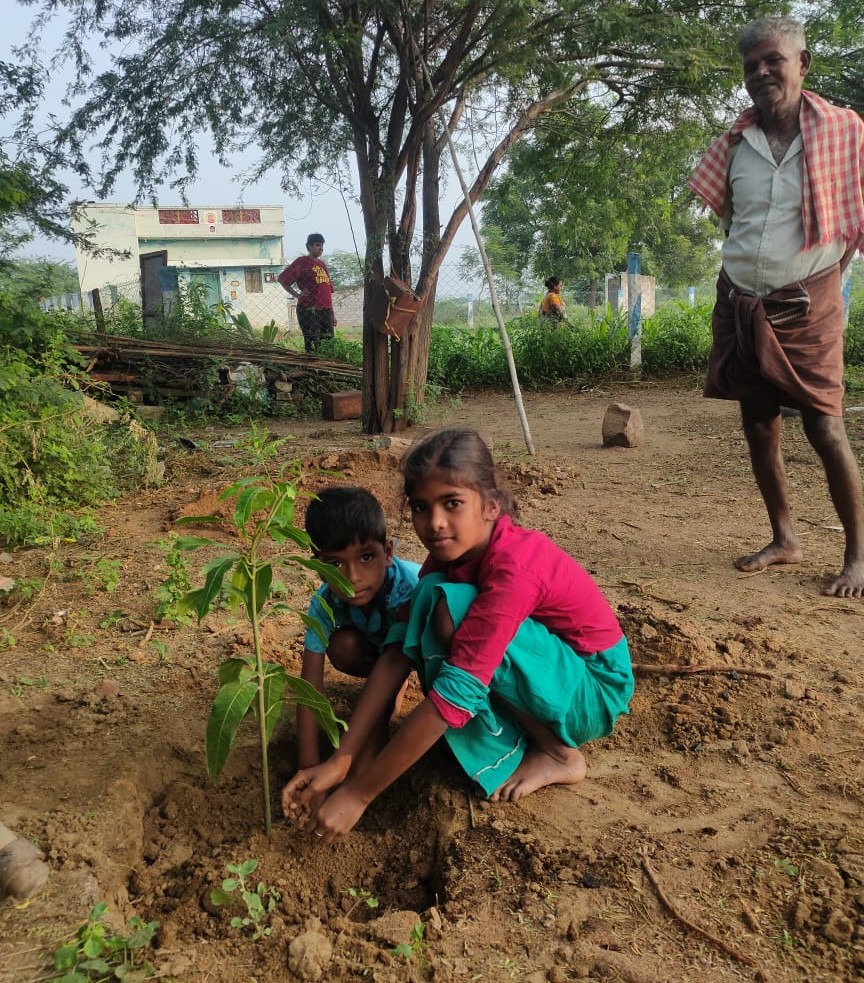
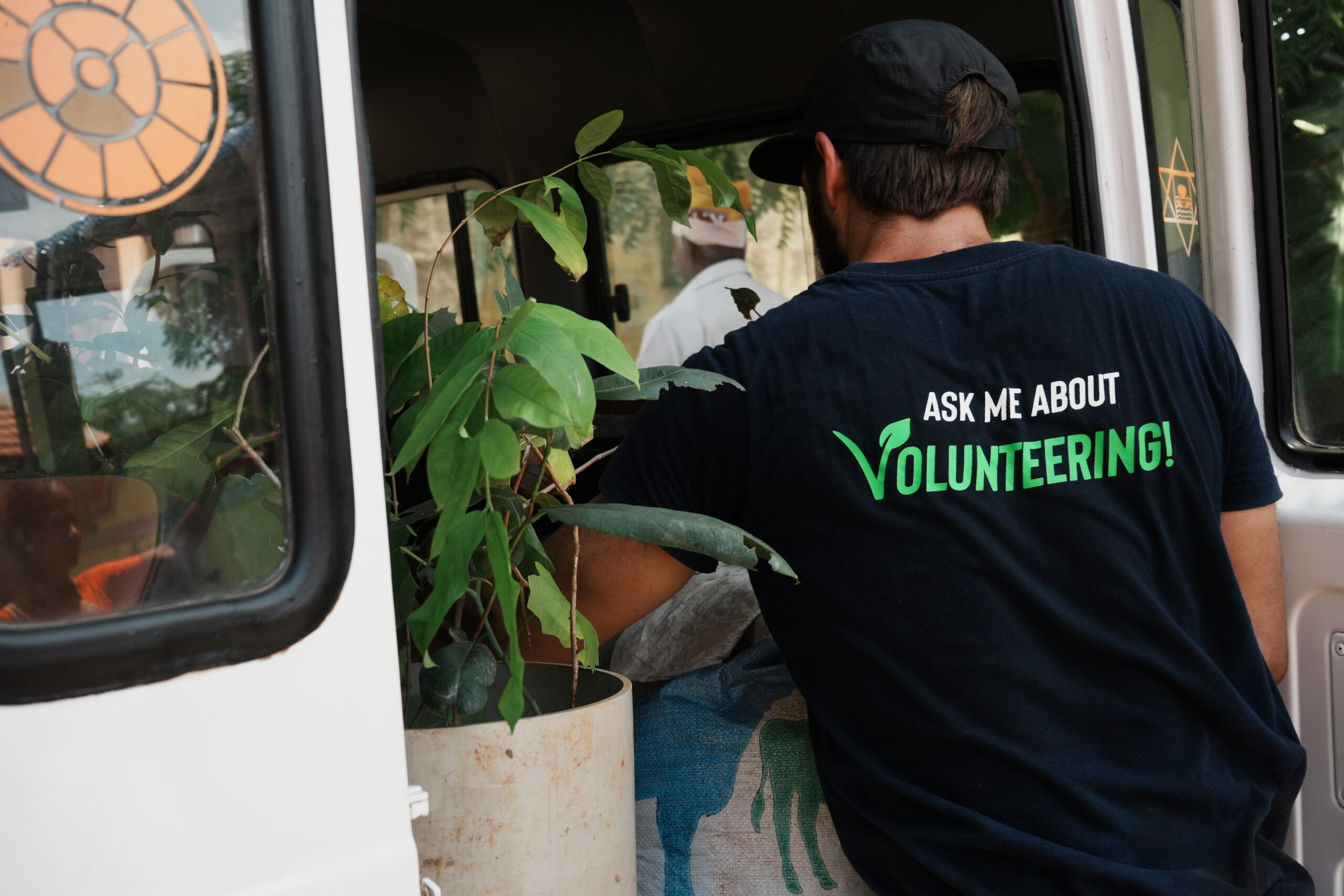
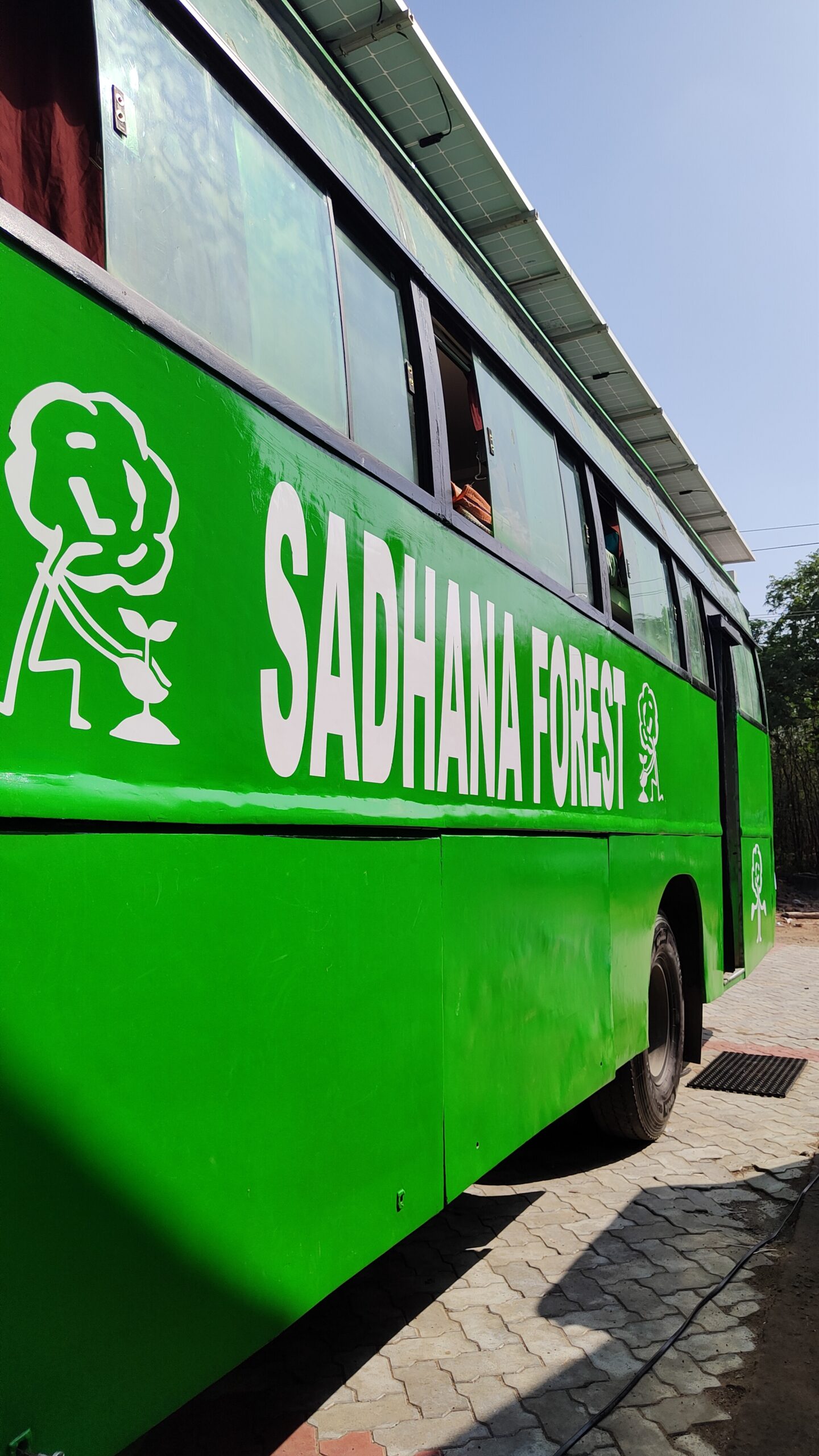
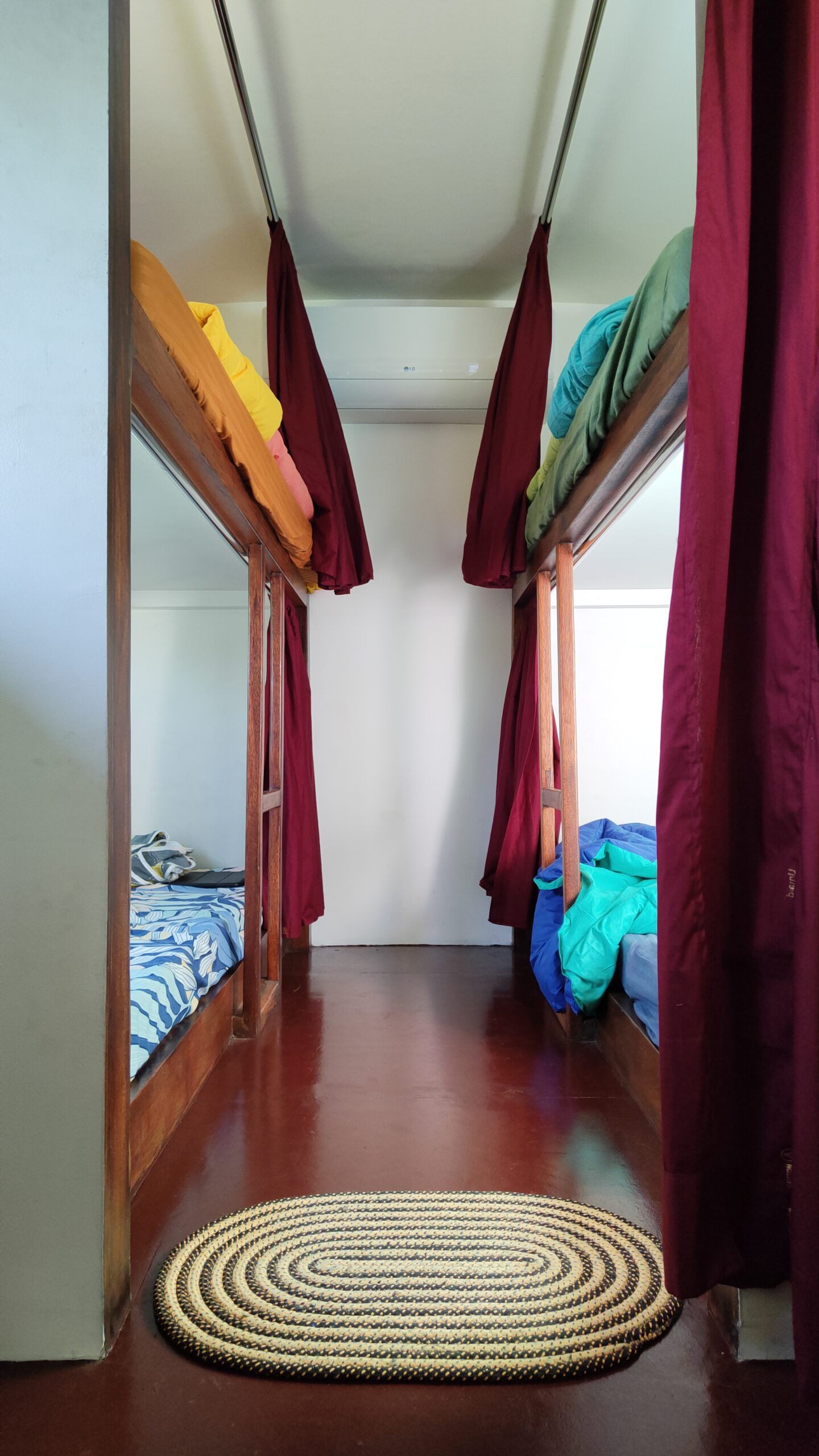
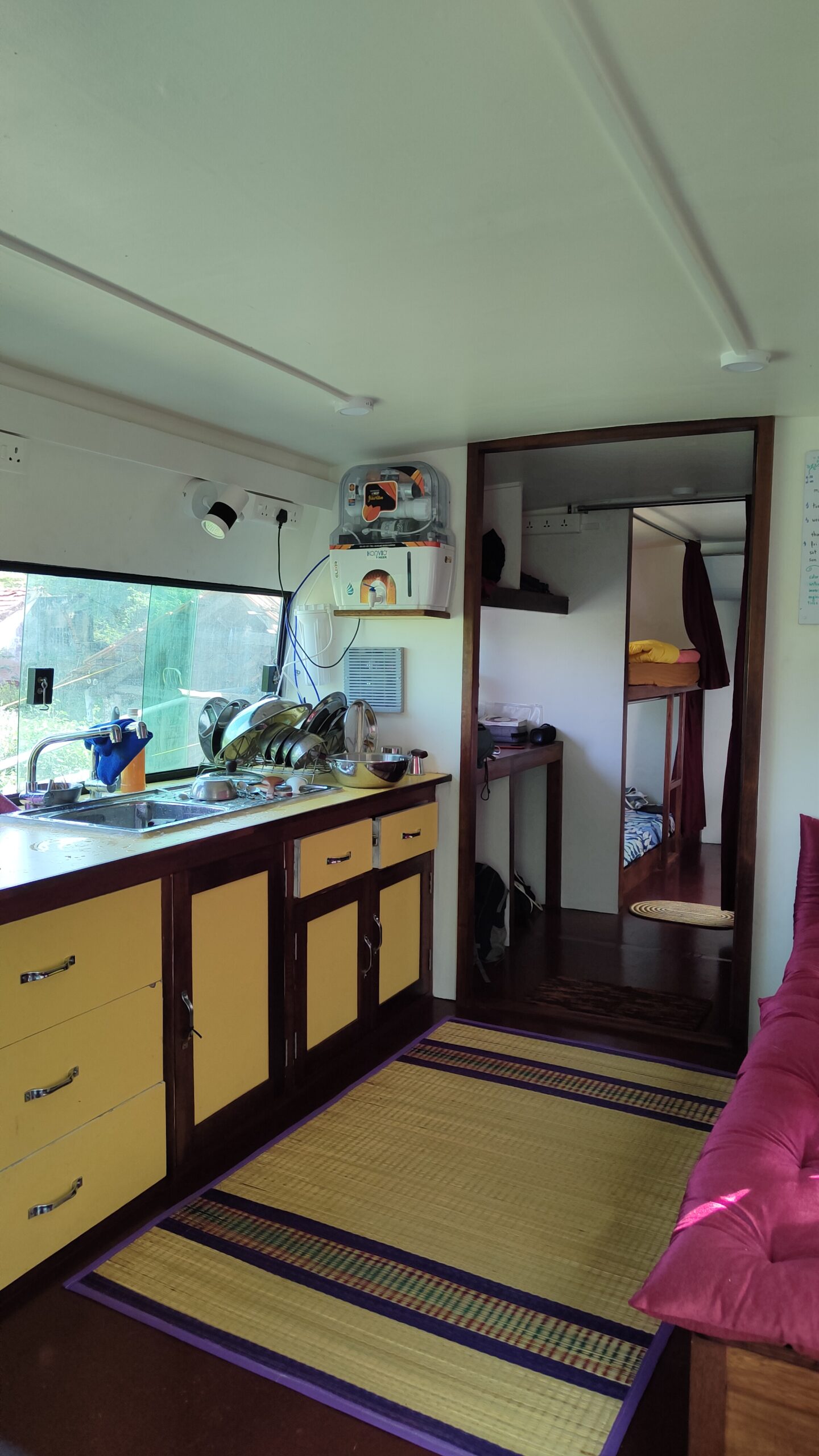
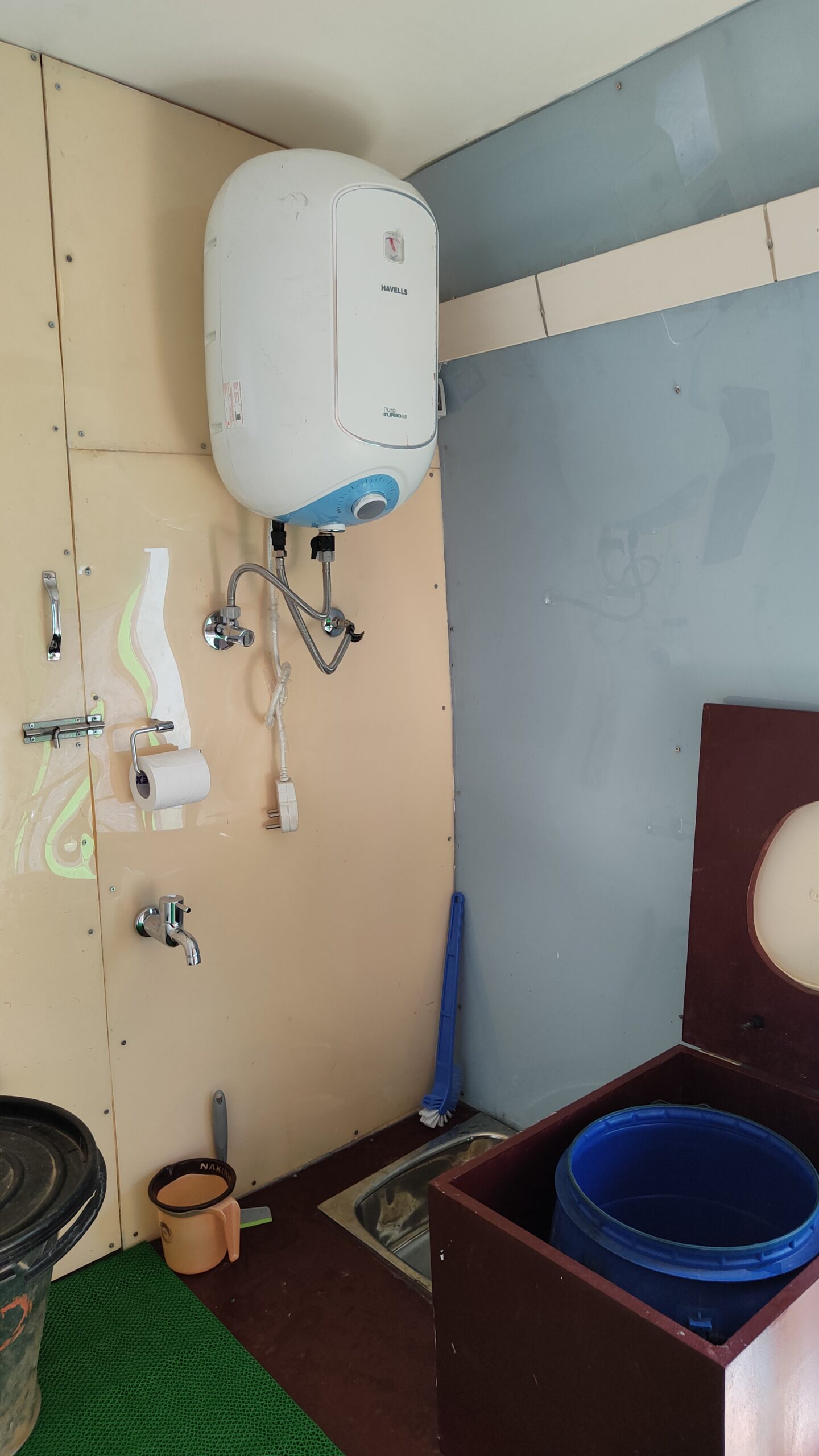
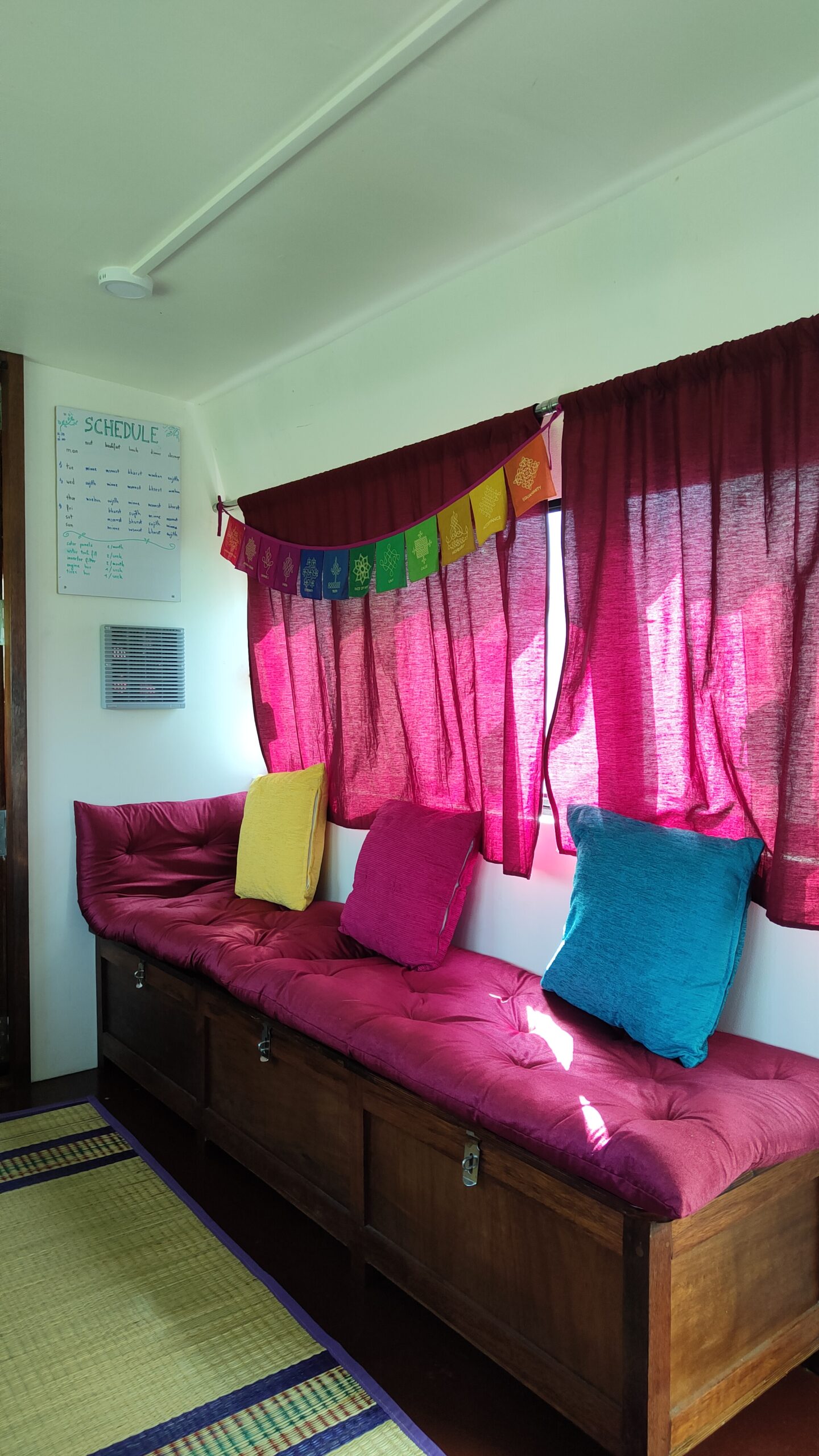
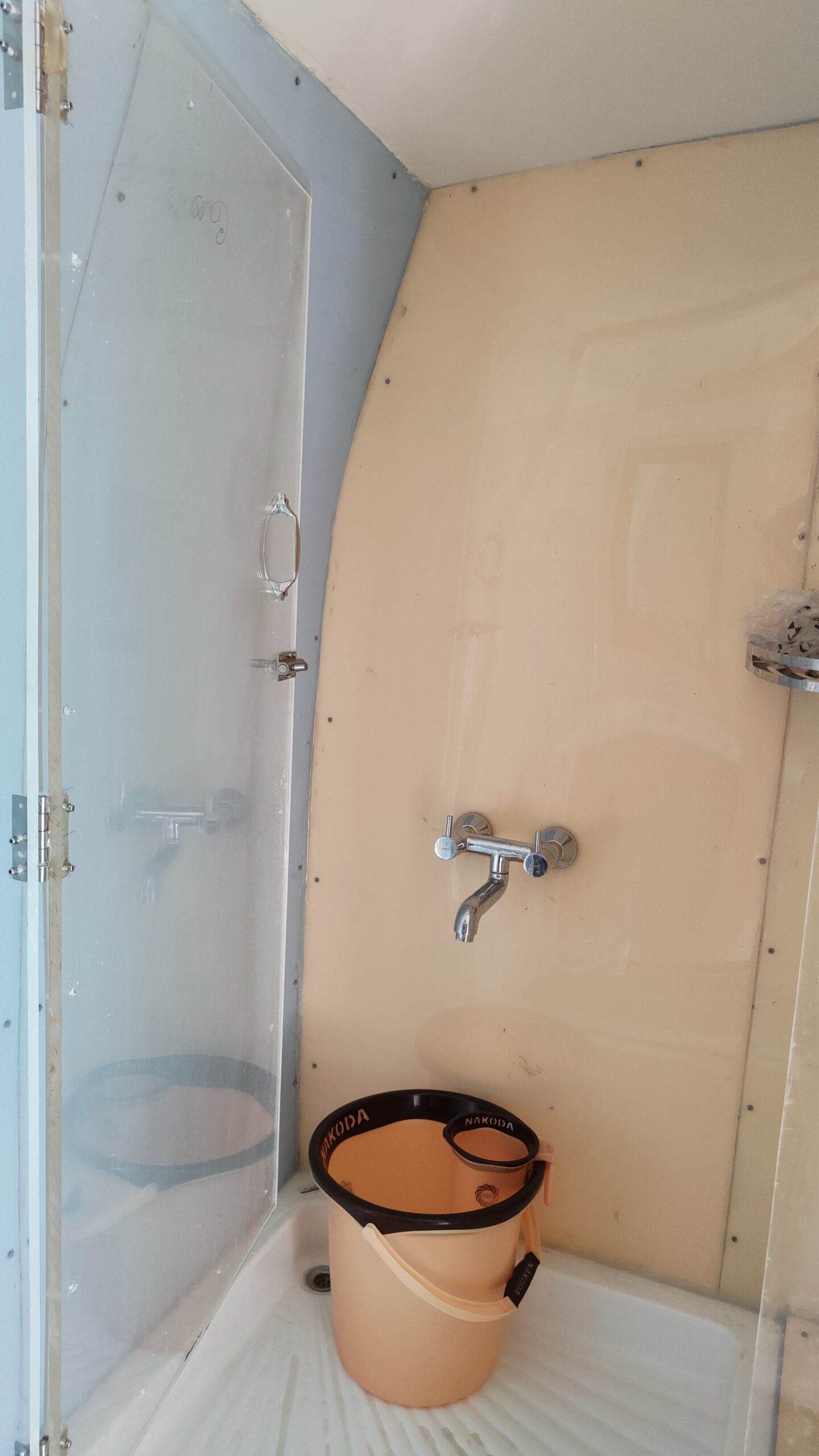
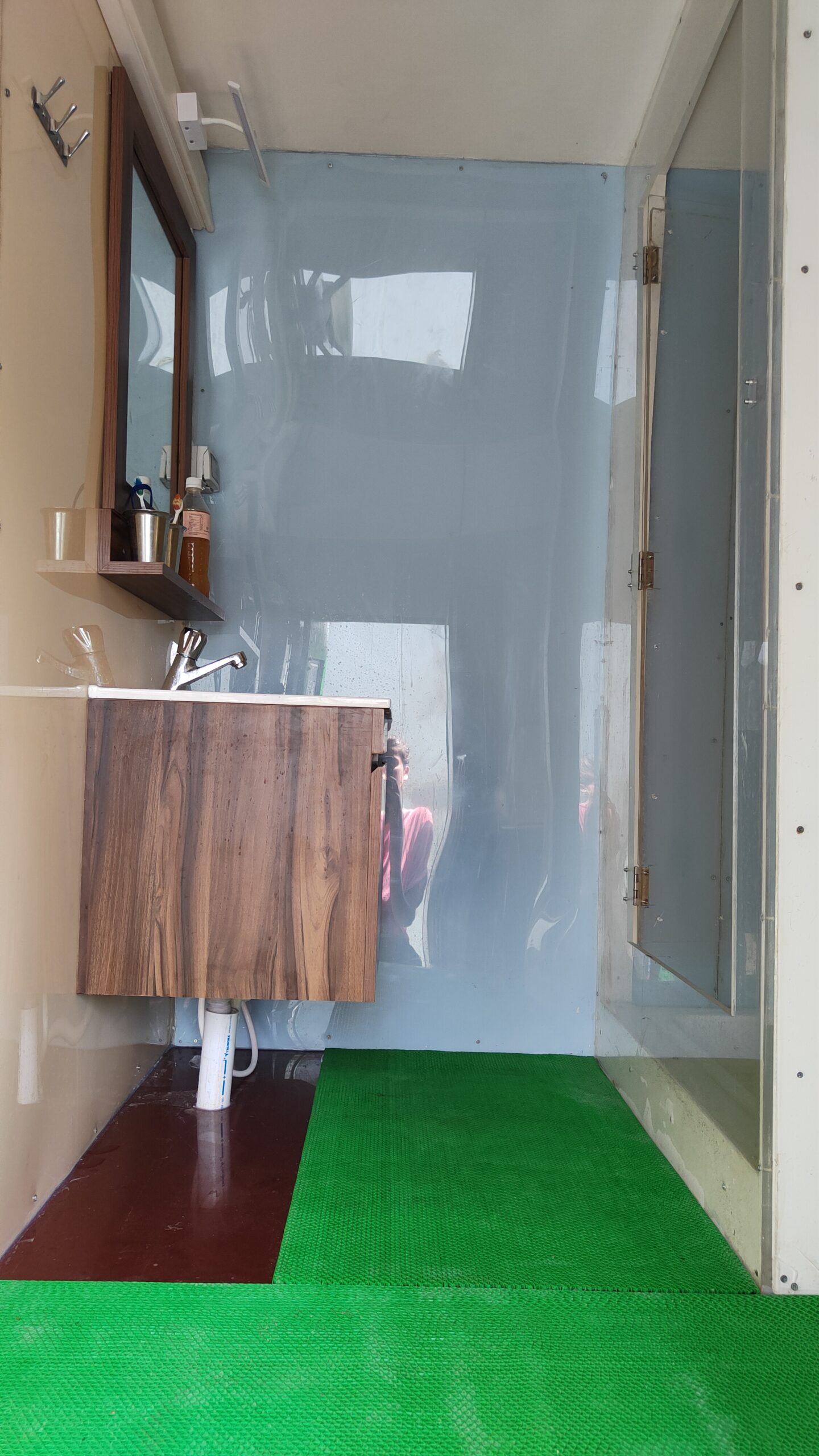
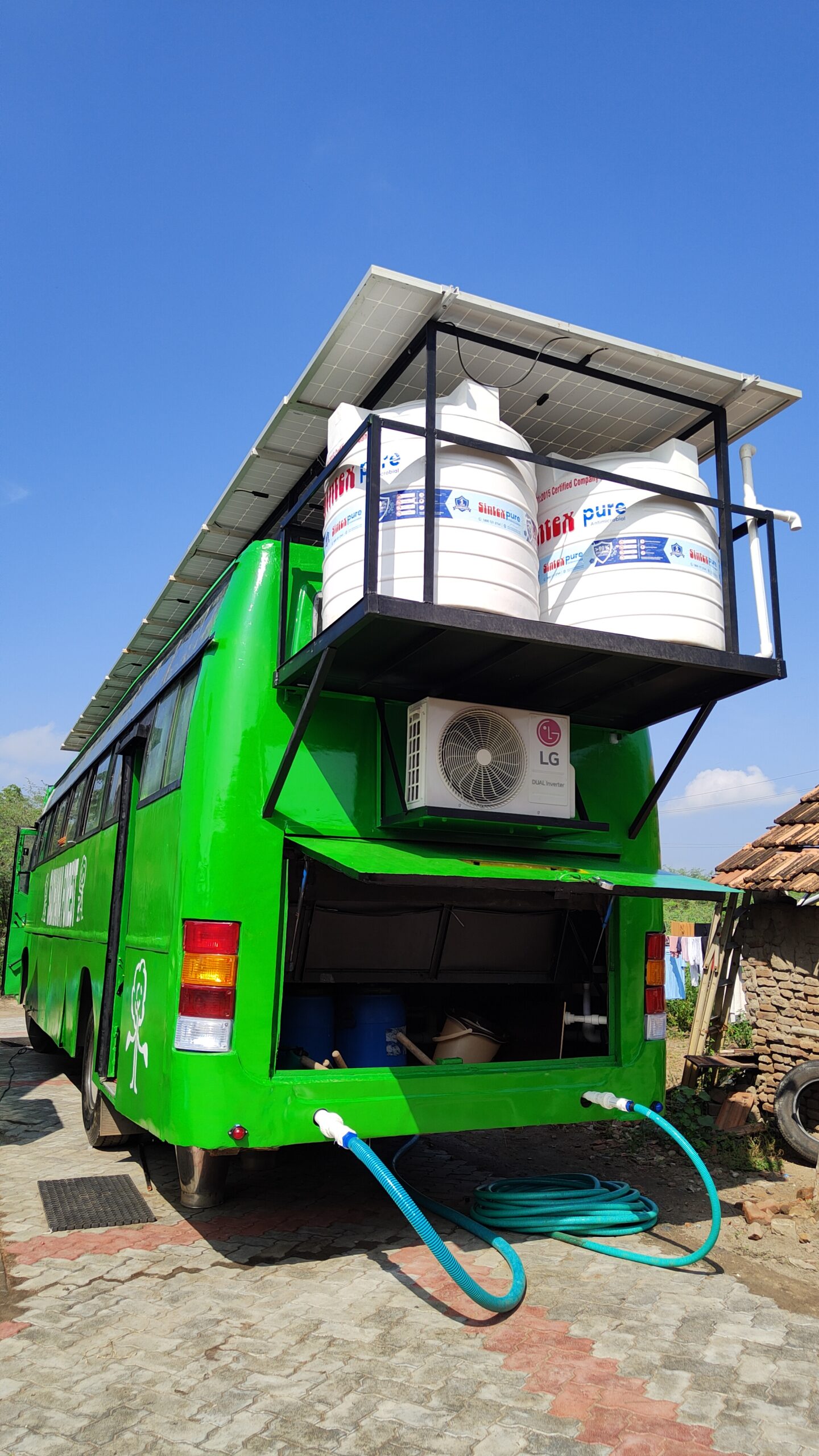
From there, the Sadhana Forest team renovated an old bus to live in and built a tool shed, composting area, and nursery. Together with local families, they began planting a wide variety of food-producing trees. Each household chose the indigenous species they wanted to grow around their homes, selecting from dozens of varieties that would best meet their needs for food, nutrition and shade.
Lakshmi’s dedication continued to shine as she took on greater responsibility and became the local supervisor, leading a team of women in tree-planting efforts. Under her guidance, the project grew into a space of collaboration and confidence, where women found their voice as environmental leaders and stewards of their land.
Our Bus
oplus_32
oplus_32
oplus_32
oplus_32
oplus_32
oplus_32
oplus_32
oplus_32