
Sadhana Forest Namibia
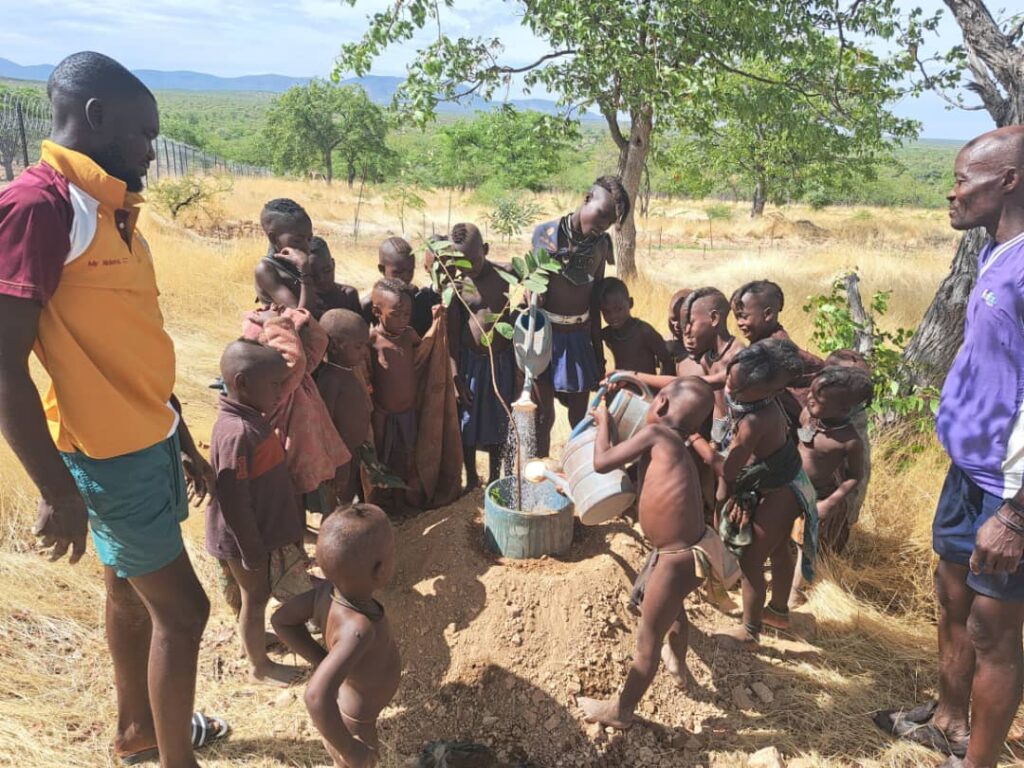
Sadhana Forest Namibia was established in 2023 in Oruseu, a remote hamlet in the Kunene Region, northwestern Namibia, one of the driest areas of southern Africa. The region is home to the Himba people, a semi-nomadic pastoralist tribe, known for its traditional attire and way of life. The project aims to support the Himba community to combat desertification, restore biodiversity, and build water and food security. In the coming years, we hope to plant thousands of food bearing trees, recharge local aquifers and help hundreds of families become self-reliant. Read more about our approach.
Context
The Kunene Region mainly has a hot arid desert climate. Climate change is leading to a decrease in rainfall and increasingly irregular rainfall patterns. Extreme weather events are on the rise. This has led to the Himba seeing their herds being decimated, losing their wealth and livelihoods. Pastoralists are among the most vulnerable communities to climate change, as they are completely dependent on increasingly less productive lands.
Over the past decade, pastoralists in Kunene Region, Namibia, have endured recurrent drought and flood events that have culminated in the loss of their primary form of livelihood: pastoralism. Most pastoralists are finding it difficult to sustain their livelihoods, and their communities have fallen into extreme poverty.
– Inman et al.
Oruseu is located in the northern Epupa Constituency of Kunene, one of the poorest and most underserved constituencies in the country with over 50% of the population considered severely poor. Kunene is the most malnourished region of Namibia, with 25% of the population experiencing high levels of acute malnutrition. The Himba survive on a poor diet of purchased cornmeal and a limited amount of dairy. They have limited access to modern medicine. People in Oruseu for instance, need to walk a full day to consult the nearest doctor.
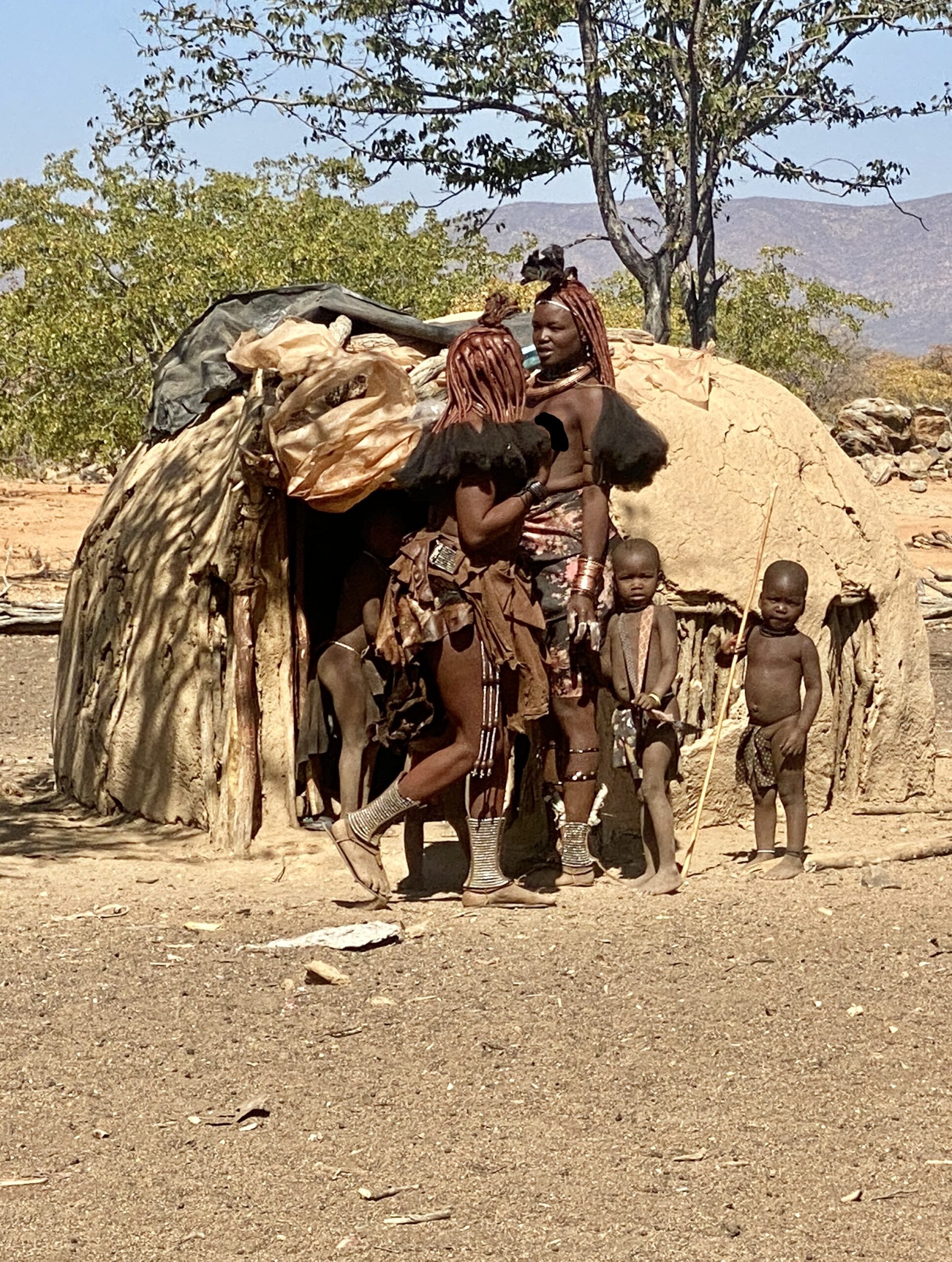 Himba hut and family
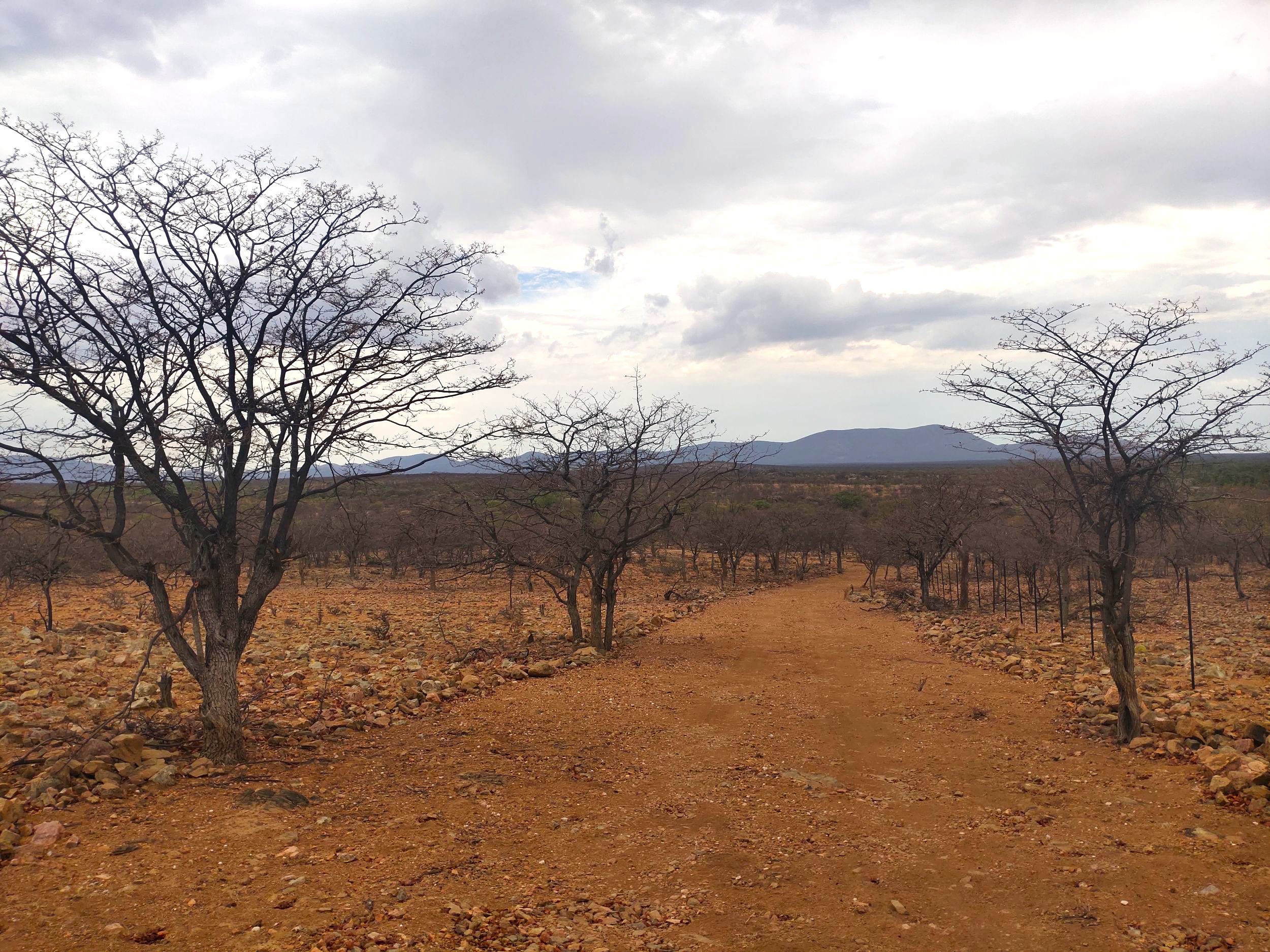 The neighboring land at the start of the center
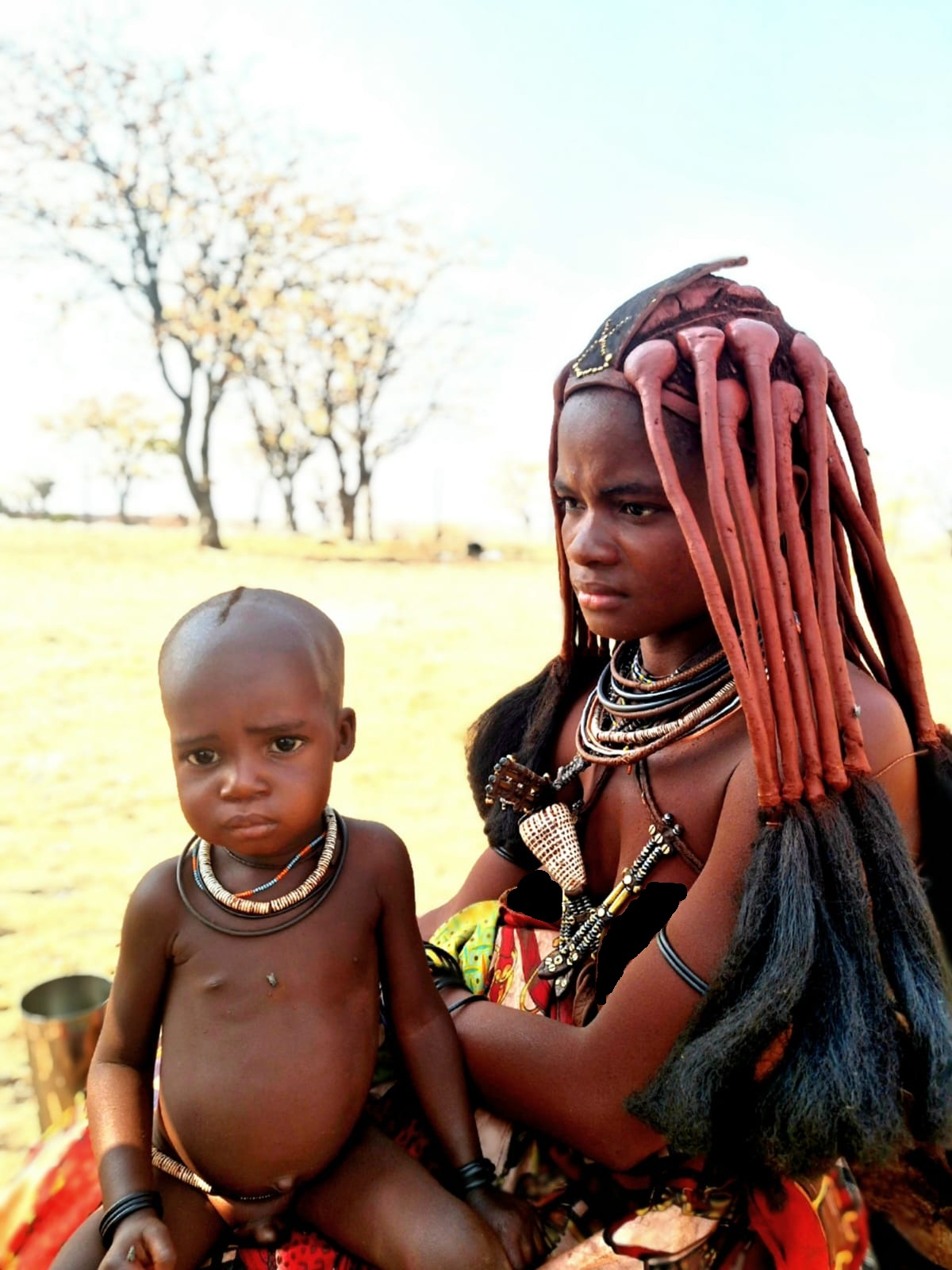 Young Himba mother and child
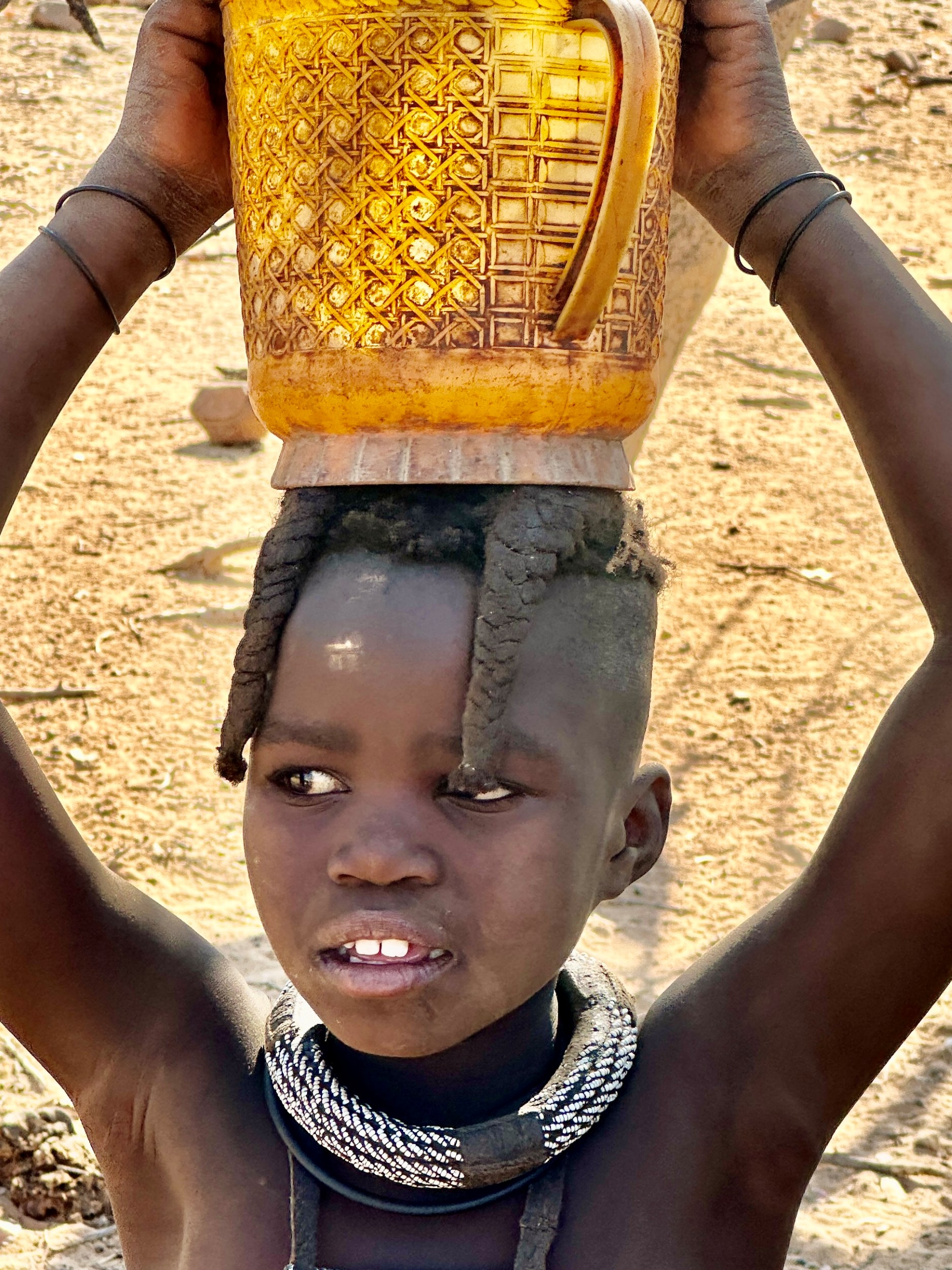
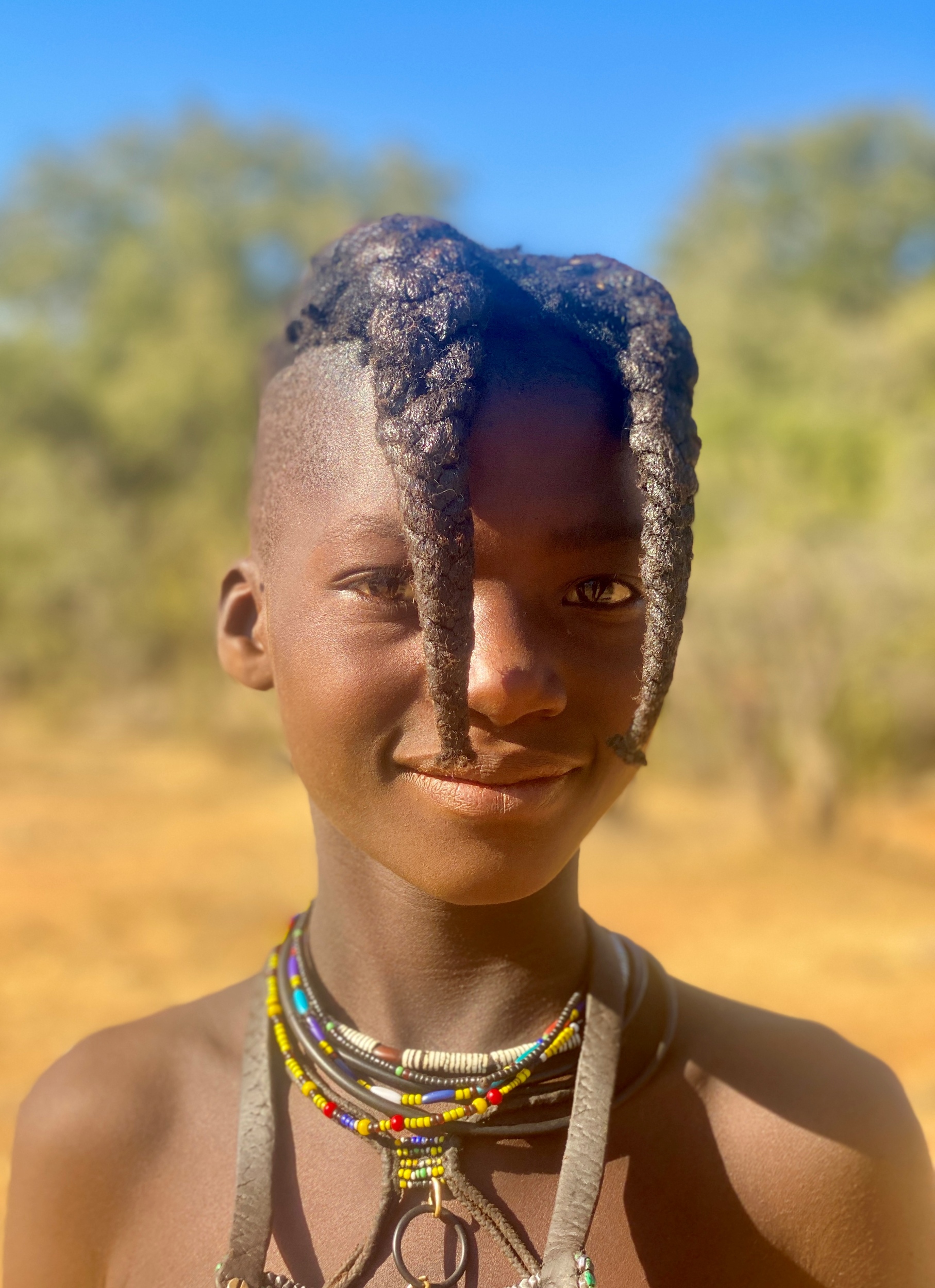 Himba boy
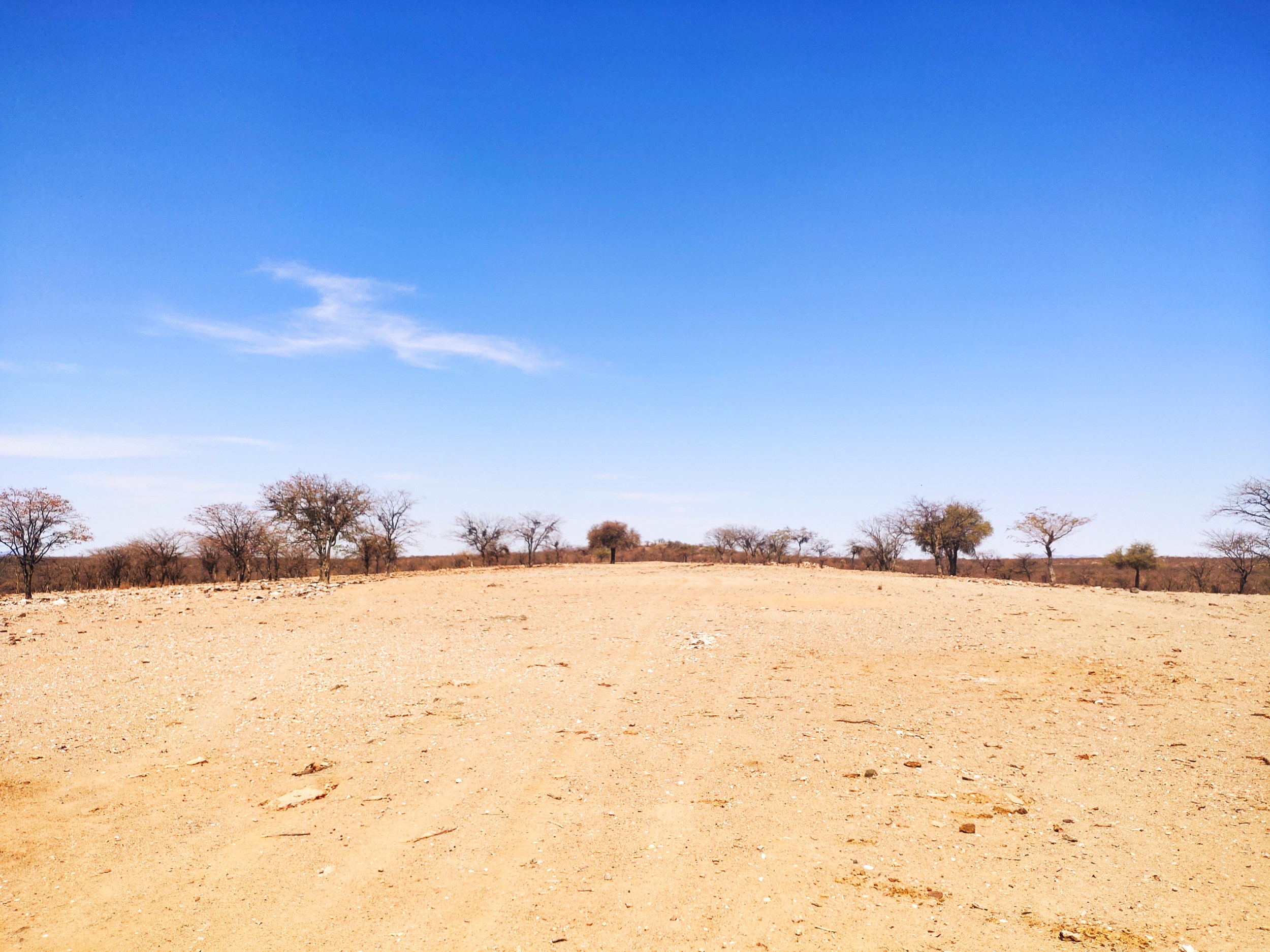
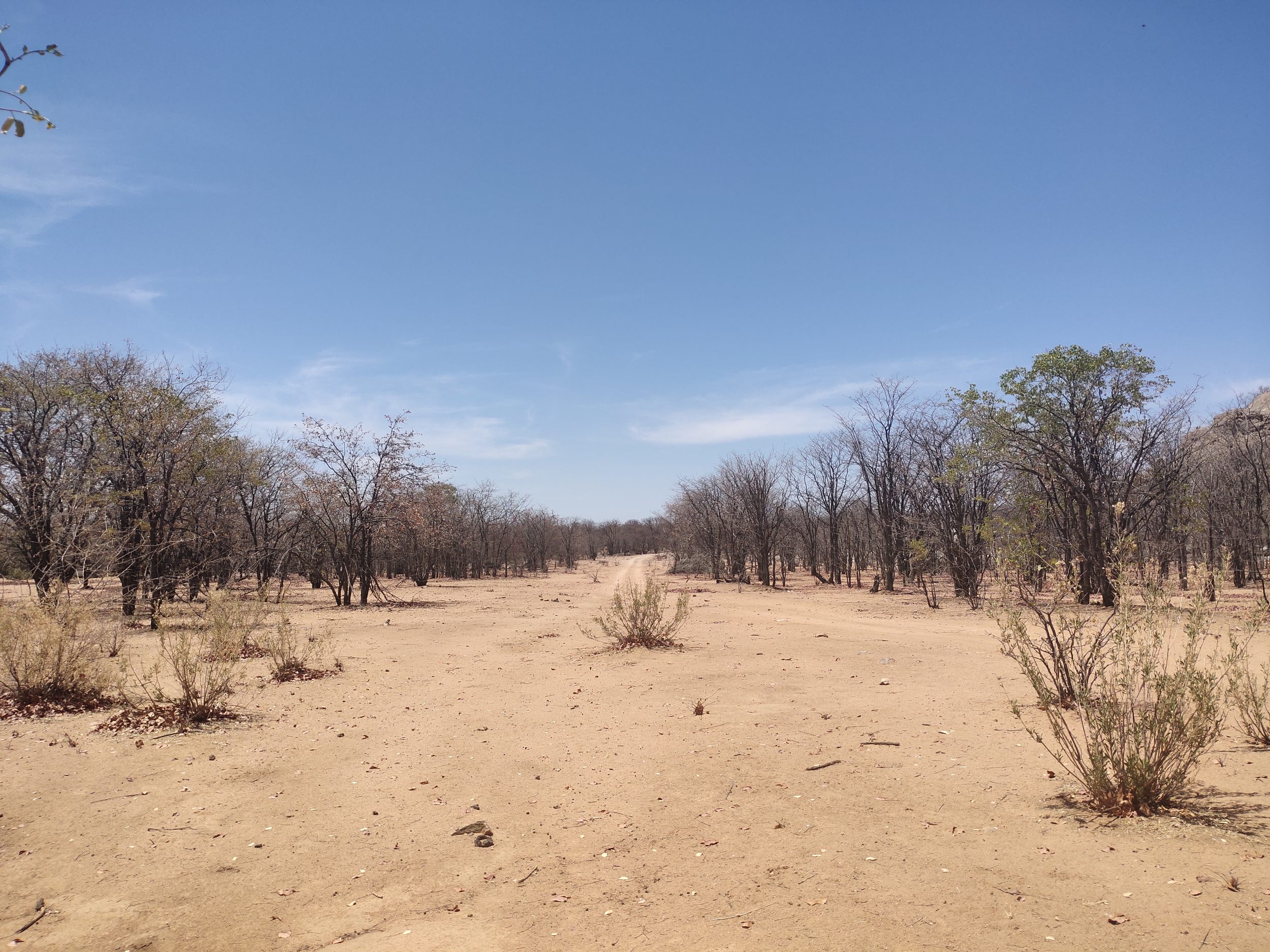 The road to Oruseu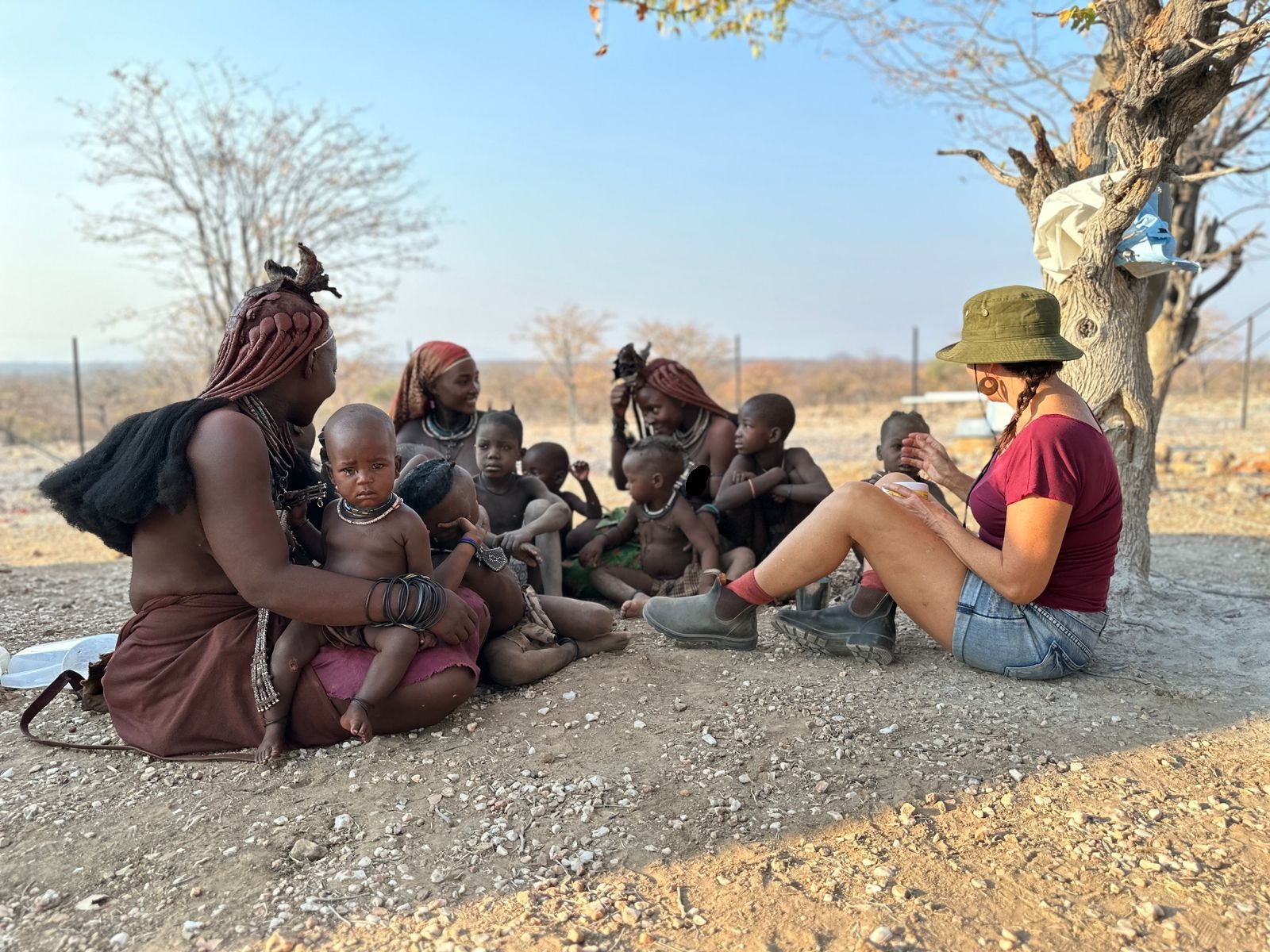
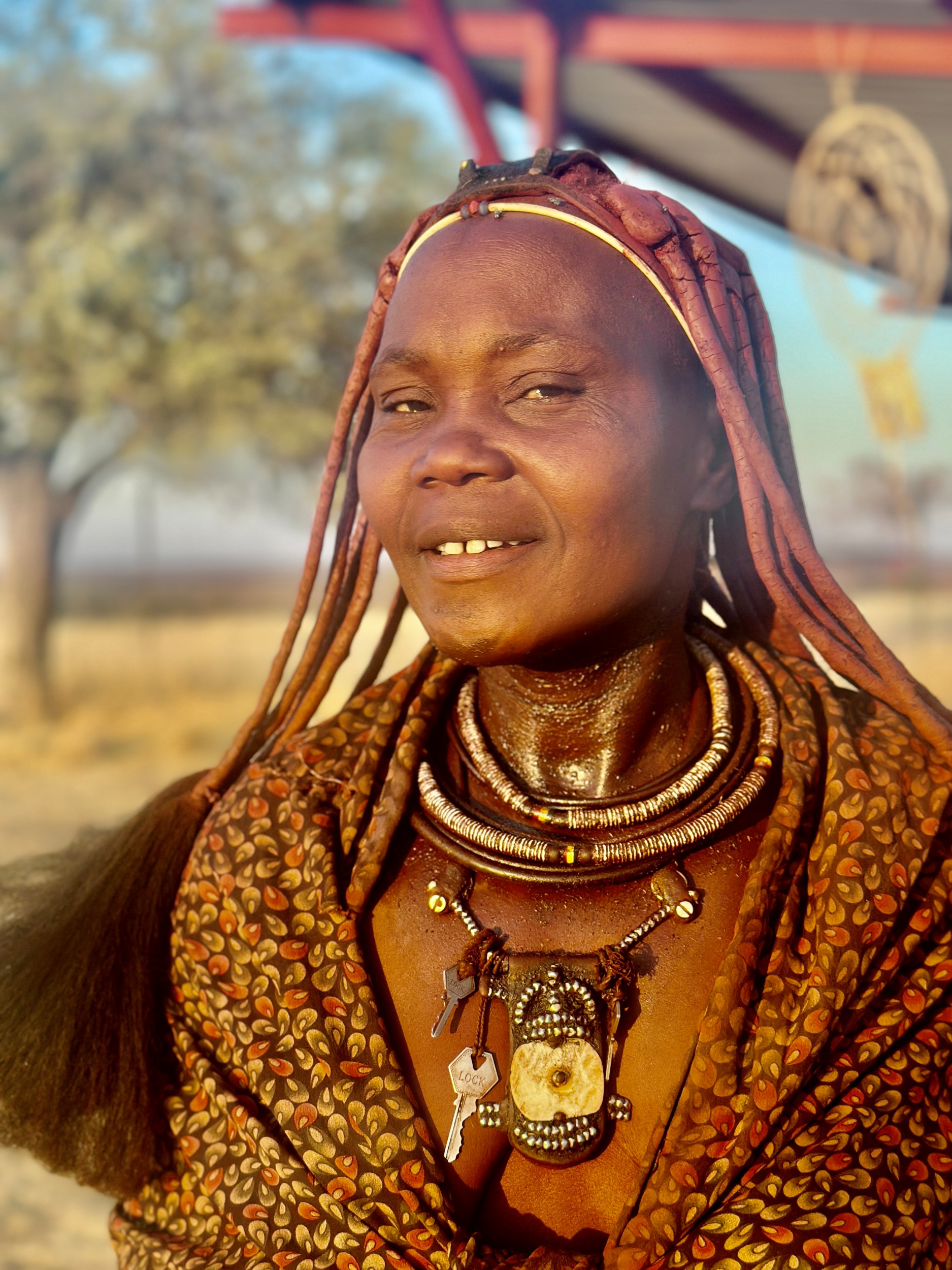 Himba woman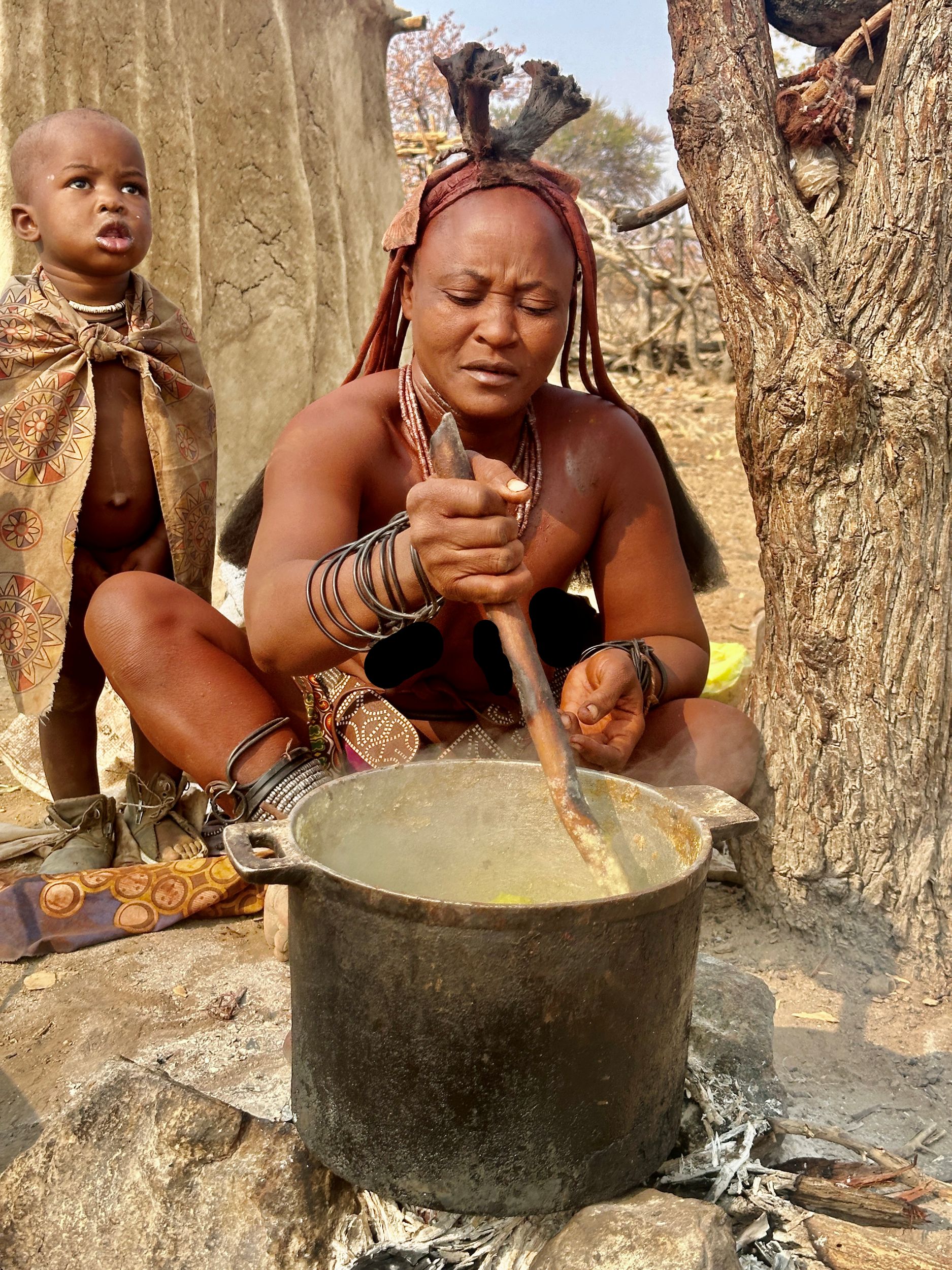
History
Sadhana Forest chose to come to Oruseu as it was one of the poorest, most deprived, arid and barren villages in Southern Africa. After long and deep conversations with the villagers, they decided to welcome Sadhana Forest in their midst and collaborate with us, and offered us a piece of land to build our center.
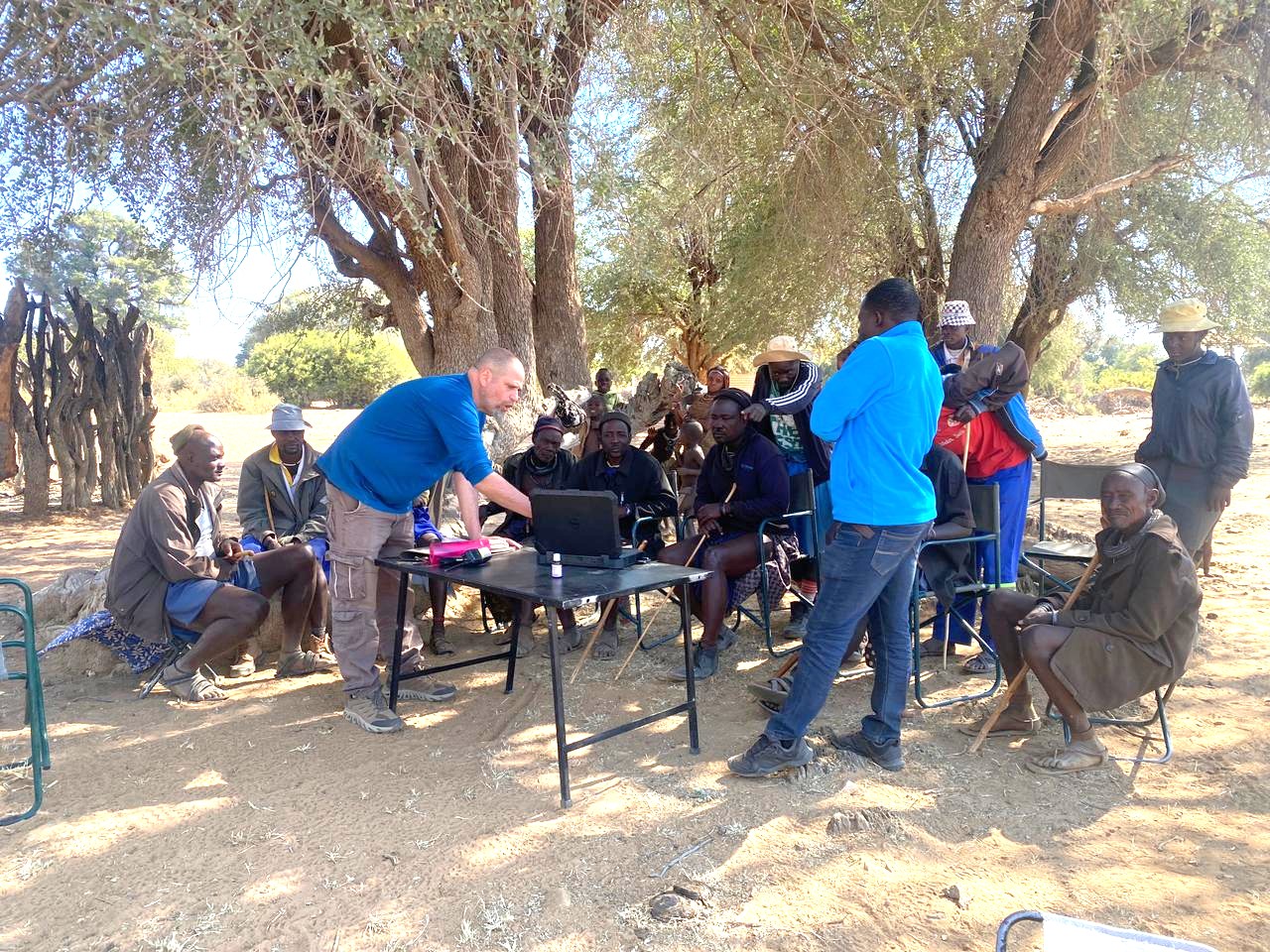 Meeting the village elders to propose our project
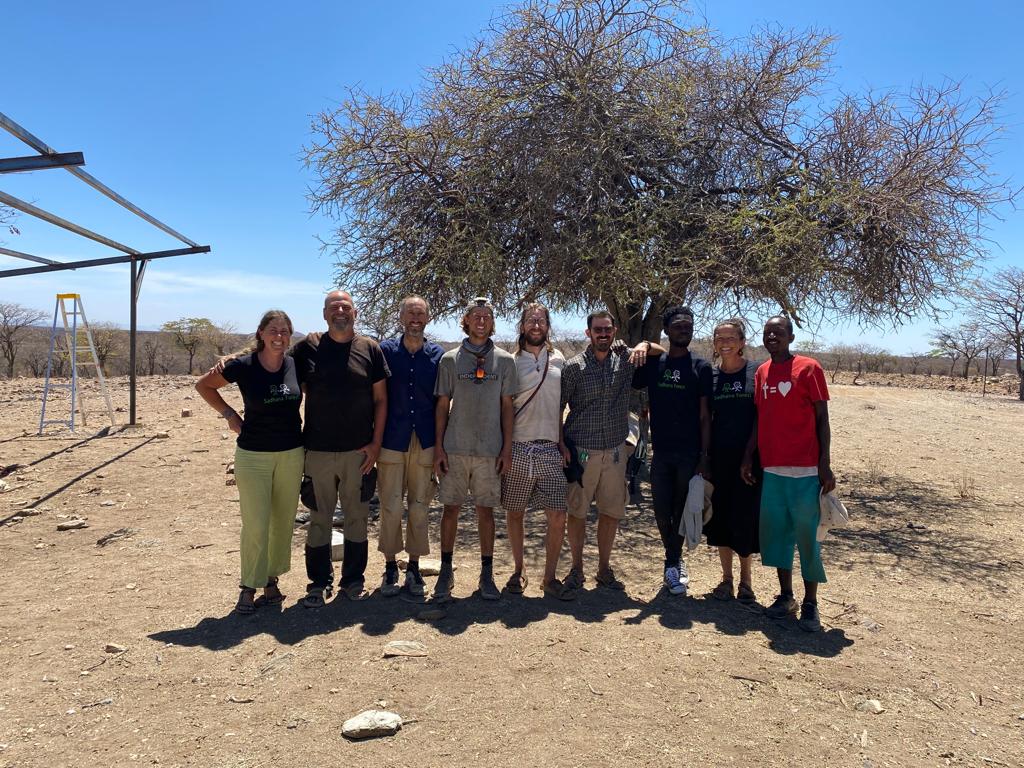 Our pioneer team leading the construction
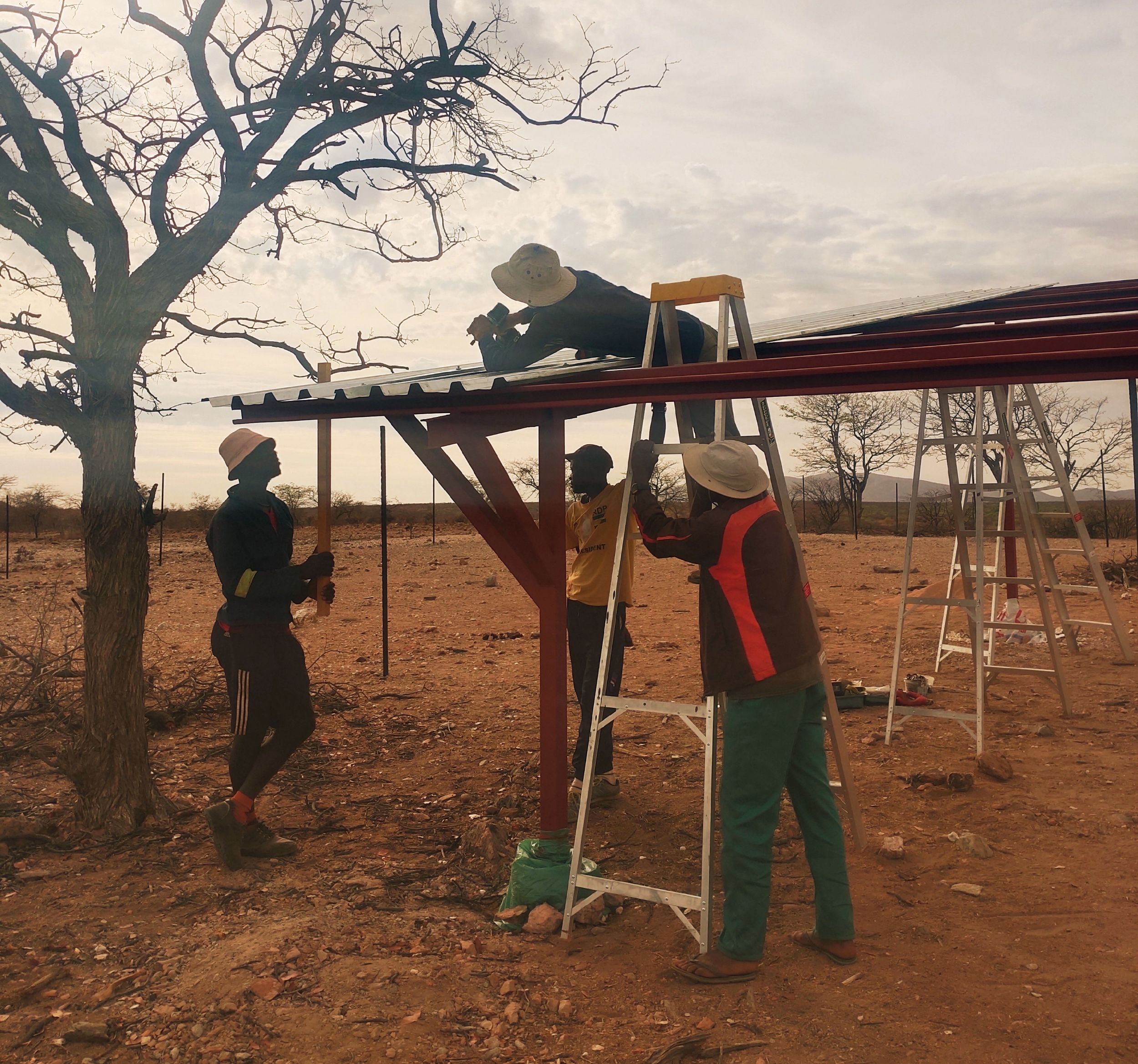 Building the center
Campus
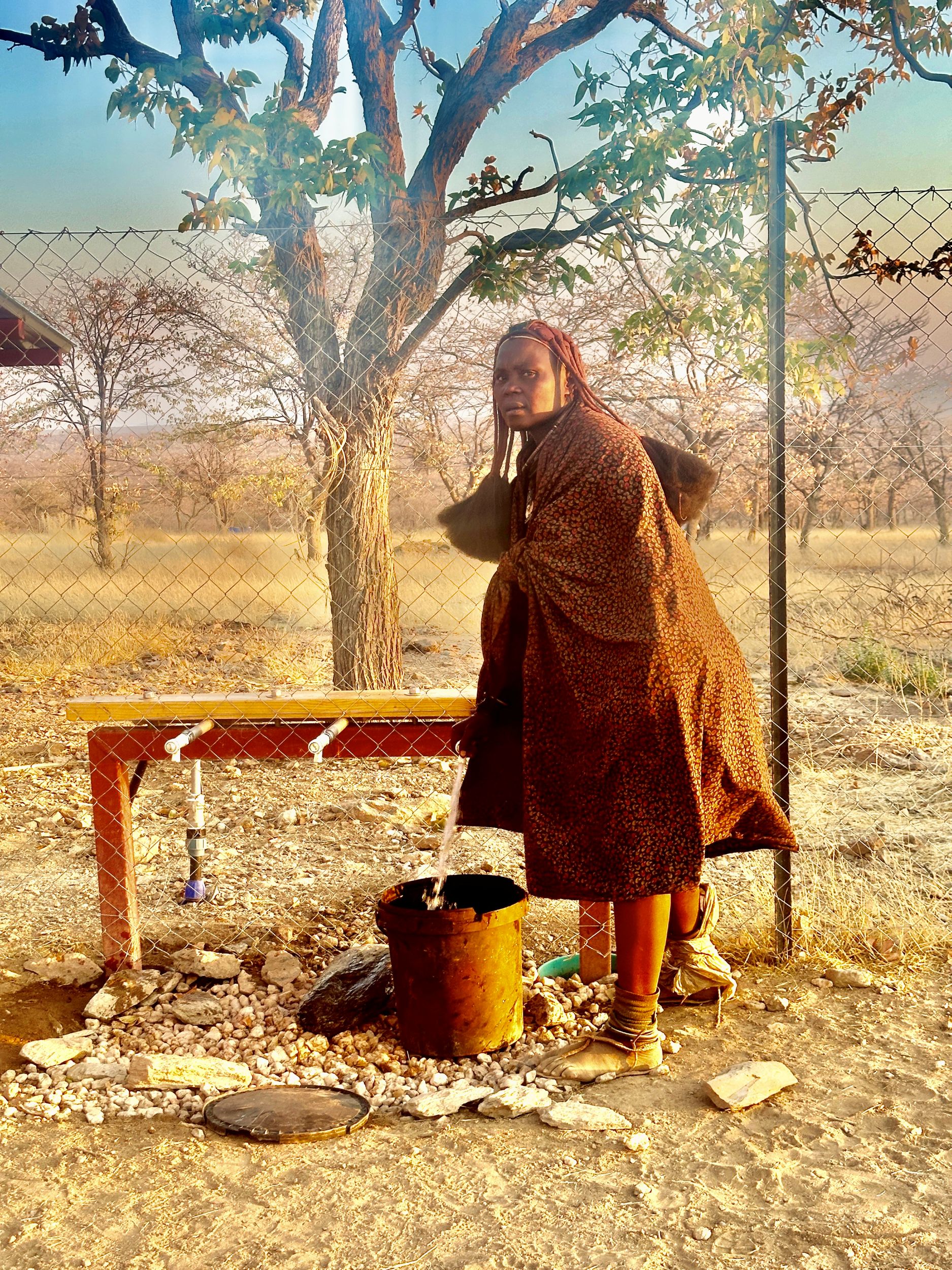
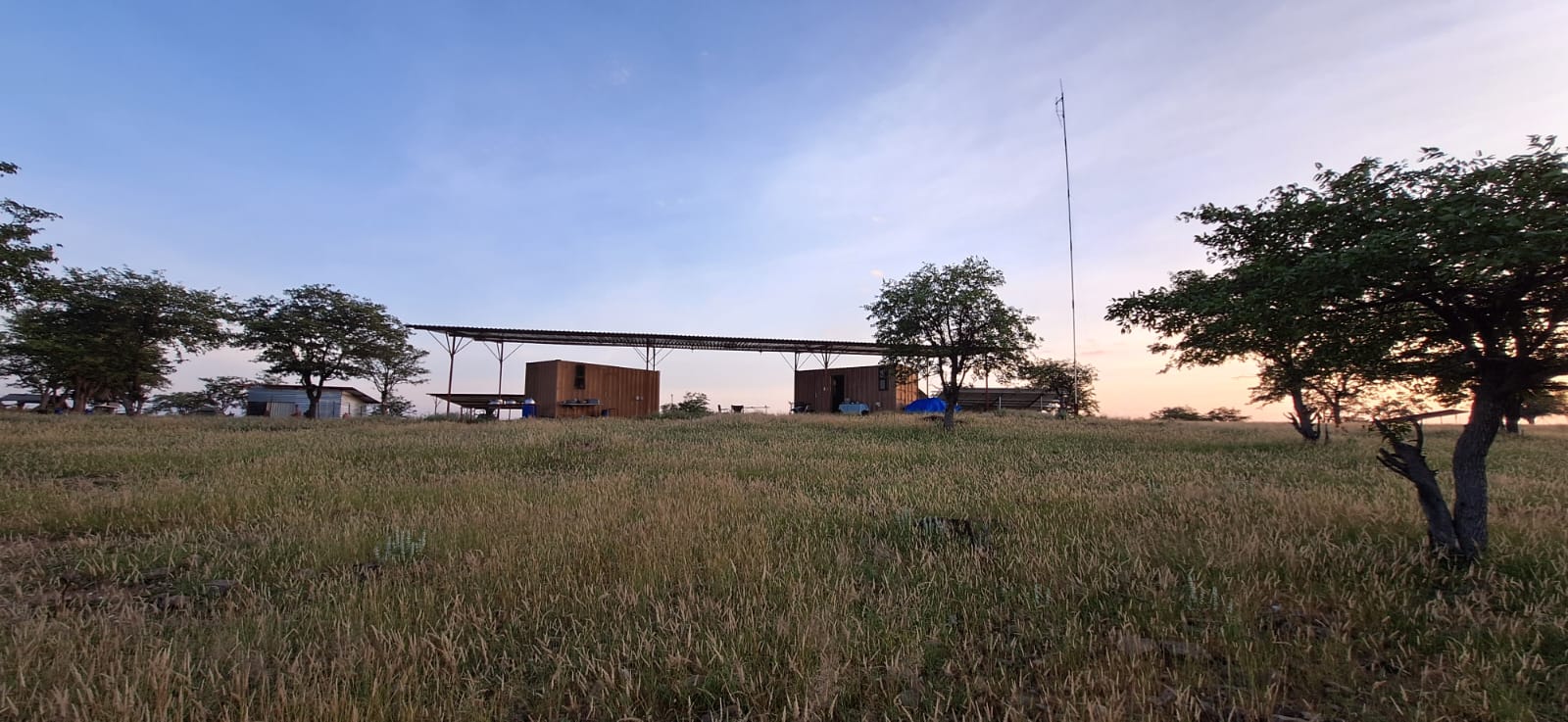
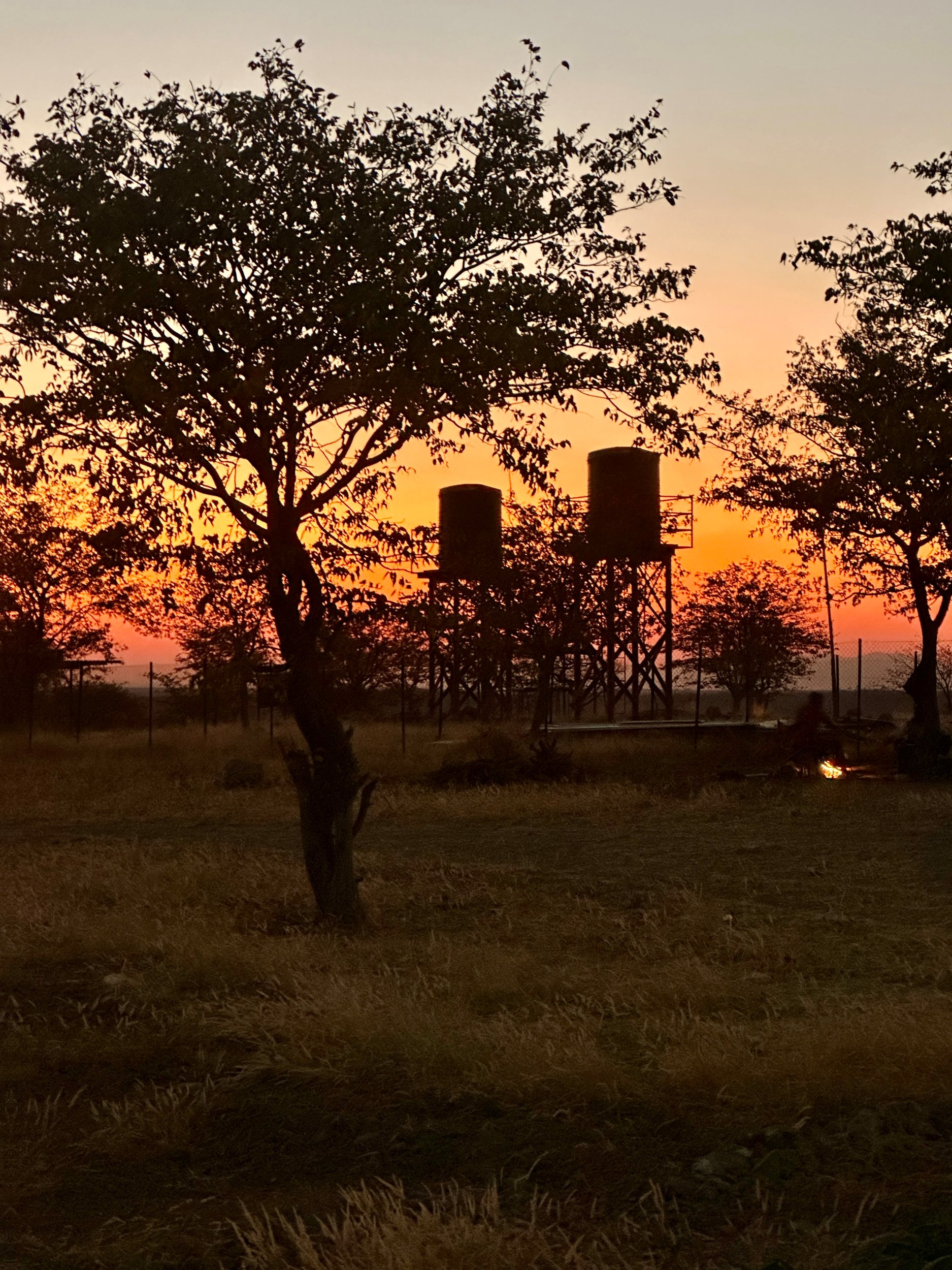
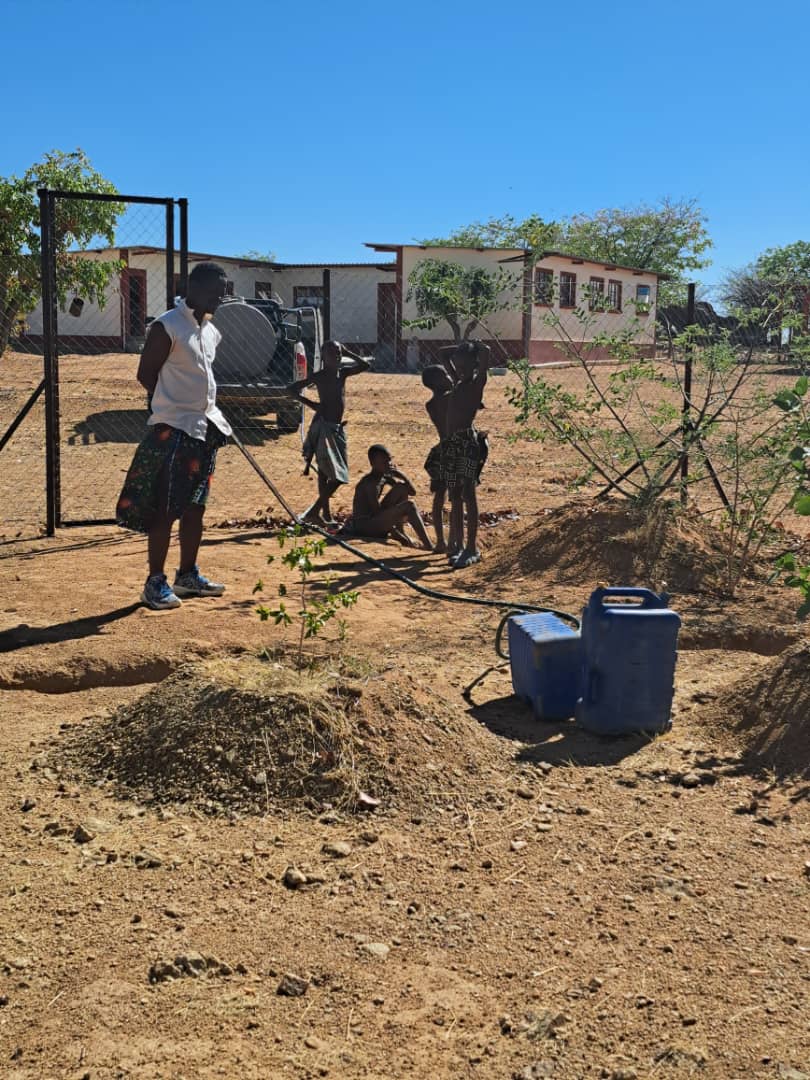
Sadhana Forest has a 18 hectare campus with its own nursery, borewell and a solar system. Extensive water conservation and tree planting work showcases the potential of land restoration for the area. On top of that we offer drinking water and electricity for phone charging every day throughout the day, free of charge. We are the only reliable source of water and electricity in the wide surroundings. There is no water or electricity grid and existing borewells are unreliable. We offer employment to local people who do not have any other employment opportunities in the area. The nearest village that has any facilities is 30 km away, which is a day’s hike for the people of Oruseu.
Our team
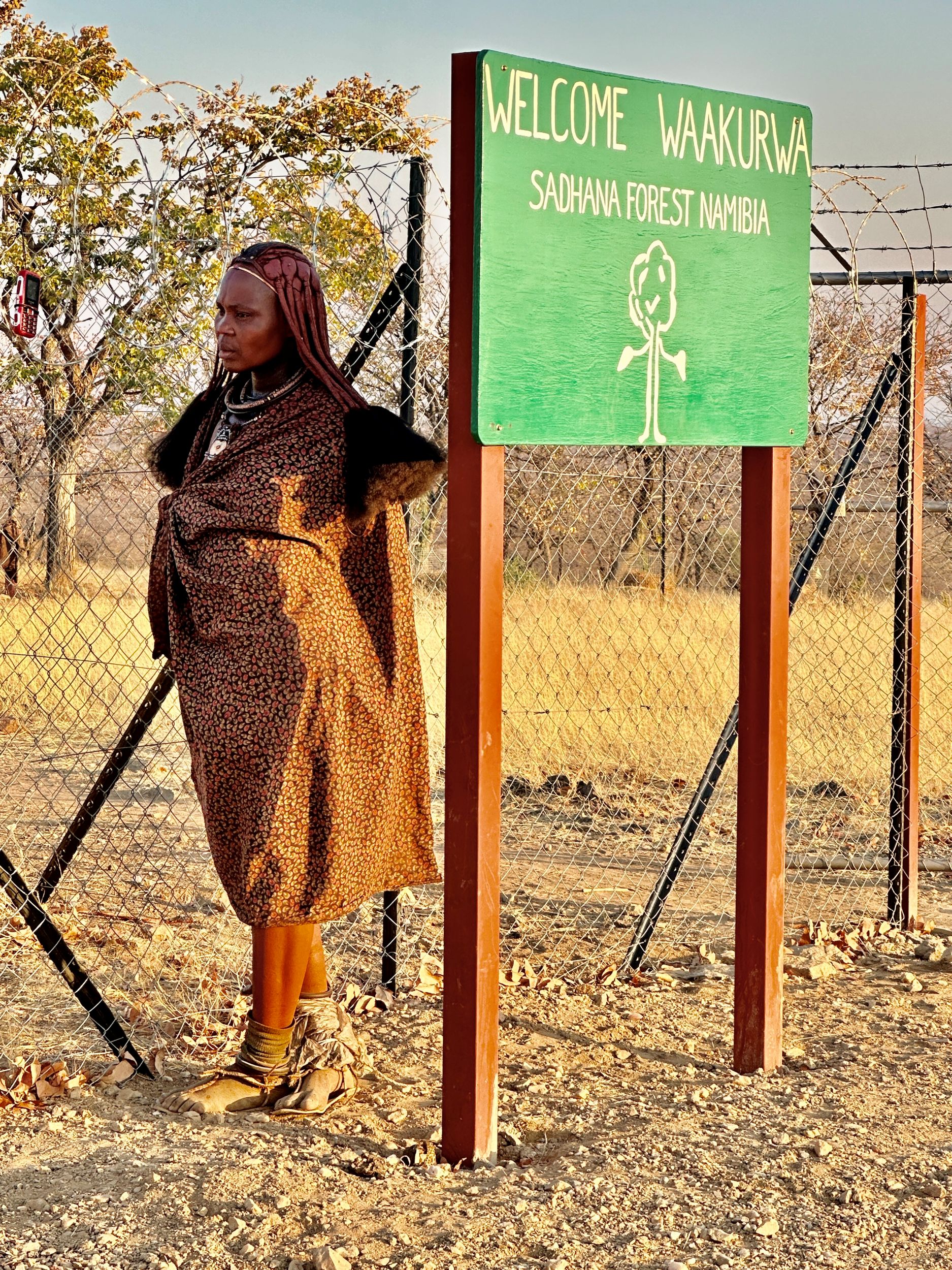
Sadhana Forest Namibia and all its activities are run entirely by local people, nearly all of them from the village of Oruseu itself. It is the only employment opportunity for local people within a day’s walk. (Walking is the sole available mode of transport for most Himba in the area.) We put an emphasis on employing women, even in roles that they traditionally do not take up: our center has one of the only watchwomen in the entire Kunene Region!
Water conservation & reforestation
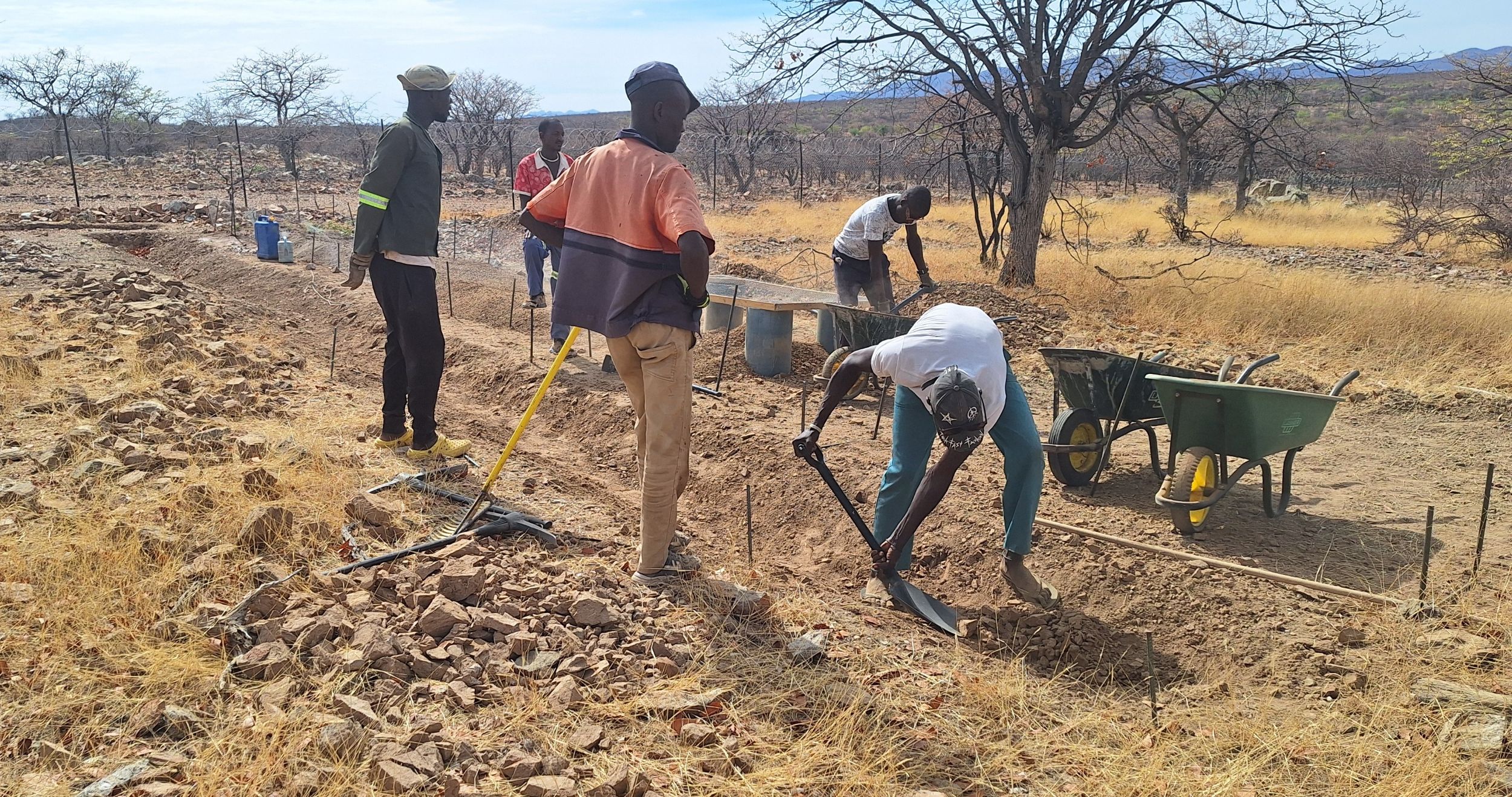
Kunene has a long dry season and a short and intense rainy season. Droughts and overgrazing have led to the loss of much of the vegetation. When it rains, most of the precious rainwater flows off the land, creating dangerous flash floods. Sadhana Forest has carried out intensive water conservation works on its land with swales and a gabbion.
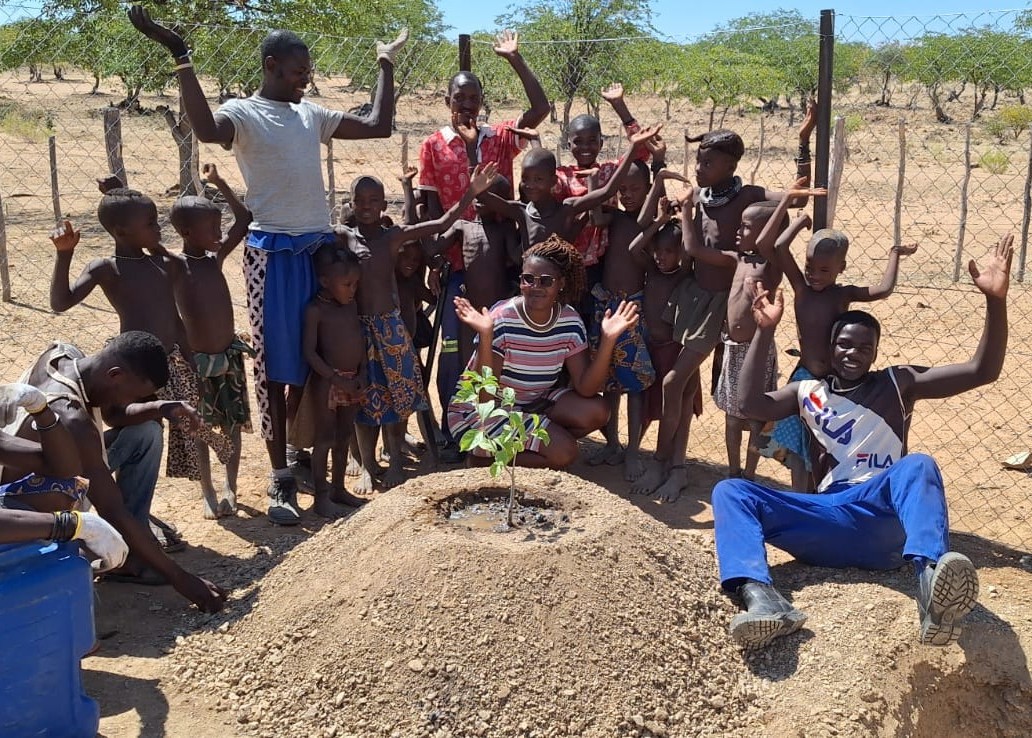
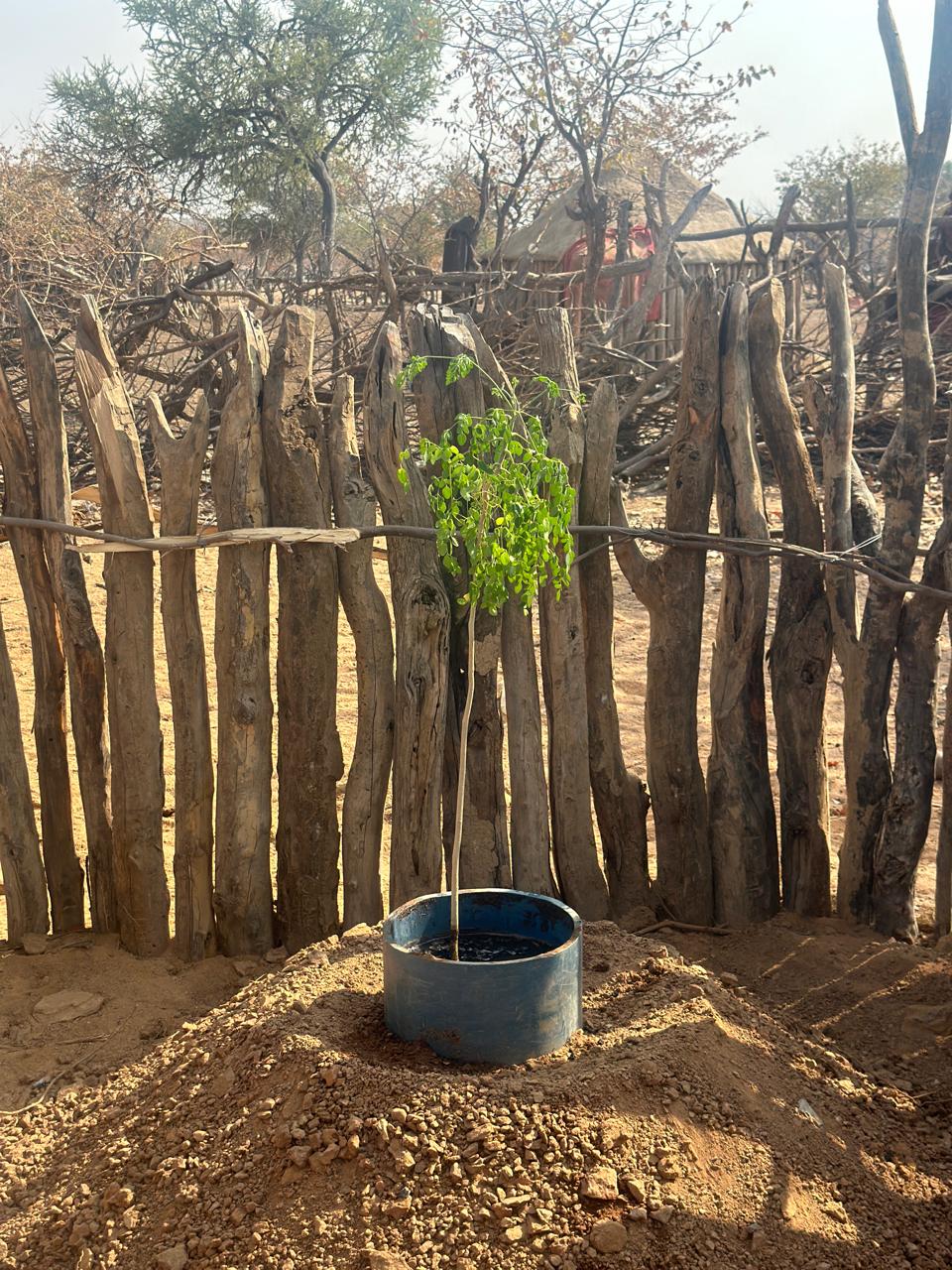
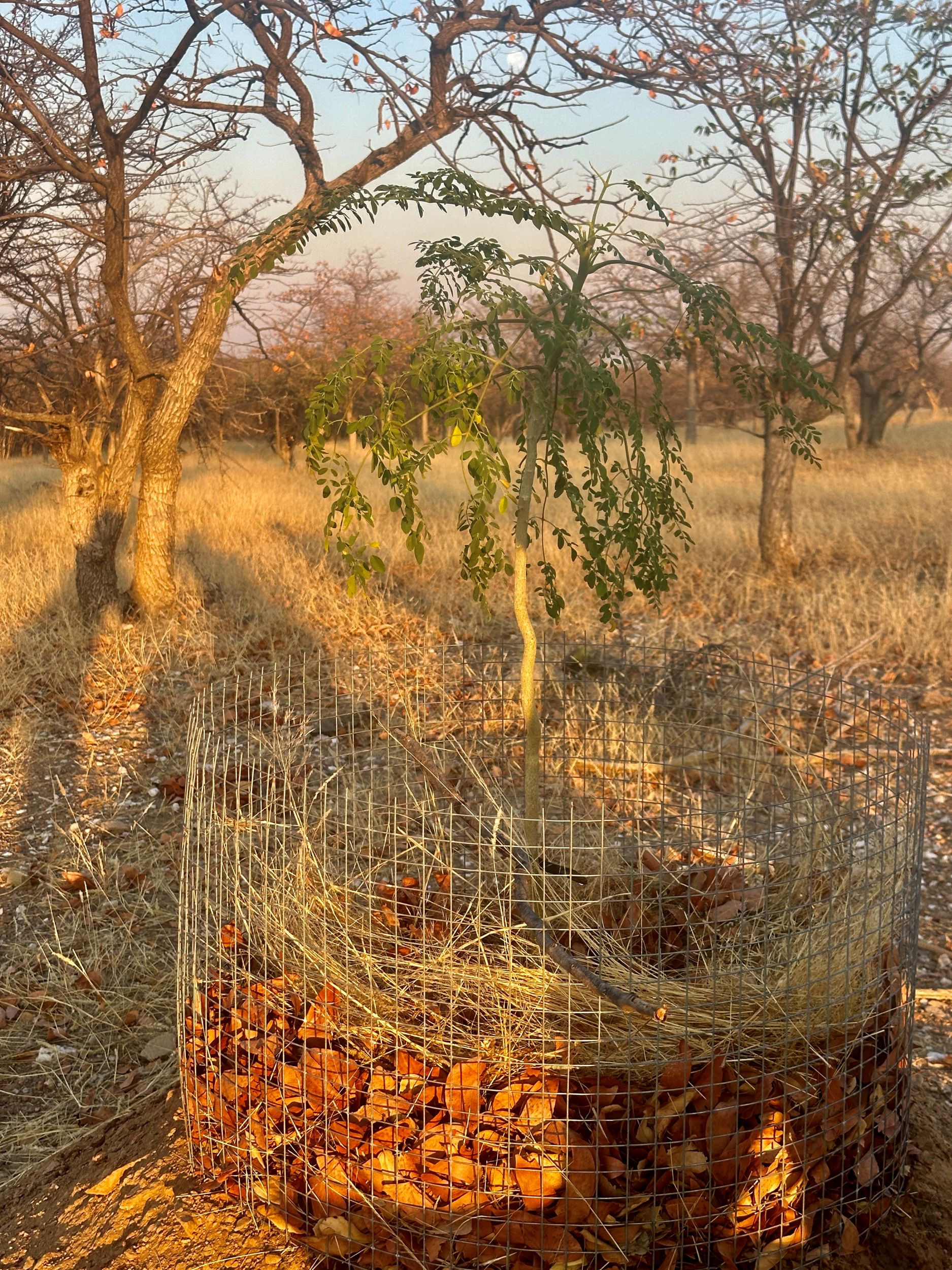
Sadhana Forest plants a variety of indigenous trees in the area, including a local species of moringa (Moringa ovalifolia) and the mythical baobab or monkey bread tree (Adansonia digitata). Baobabs can grow up to 3,000 years old and provide delicious and nutritious fruits!
Get Involved
Learn more about how you can contribute to our mission and be part of this transformative journey. Contact us at namibia@sadhanaforest.org.