
Sadhana Forest Kenya
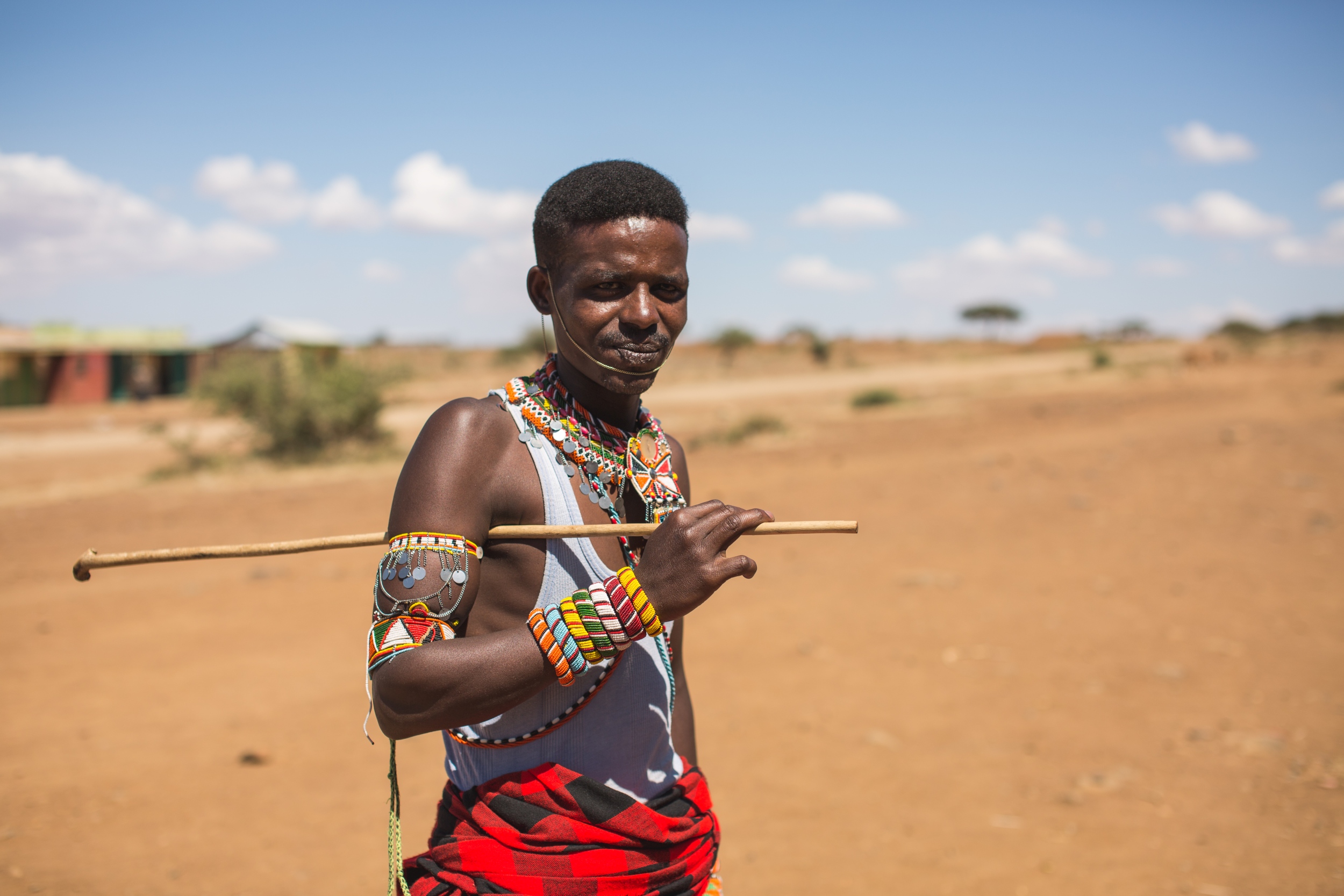
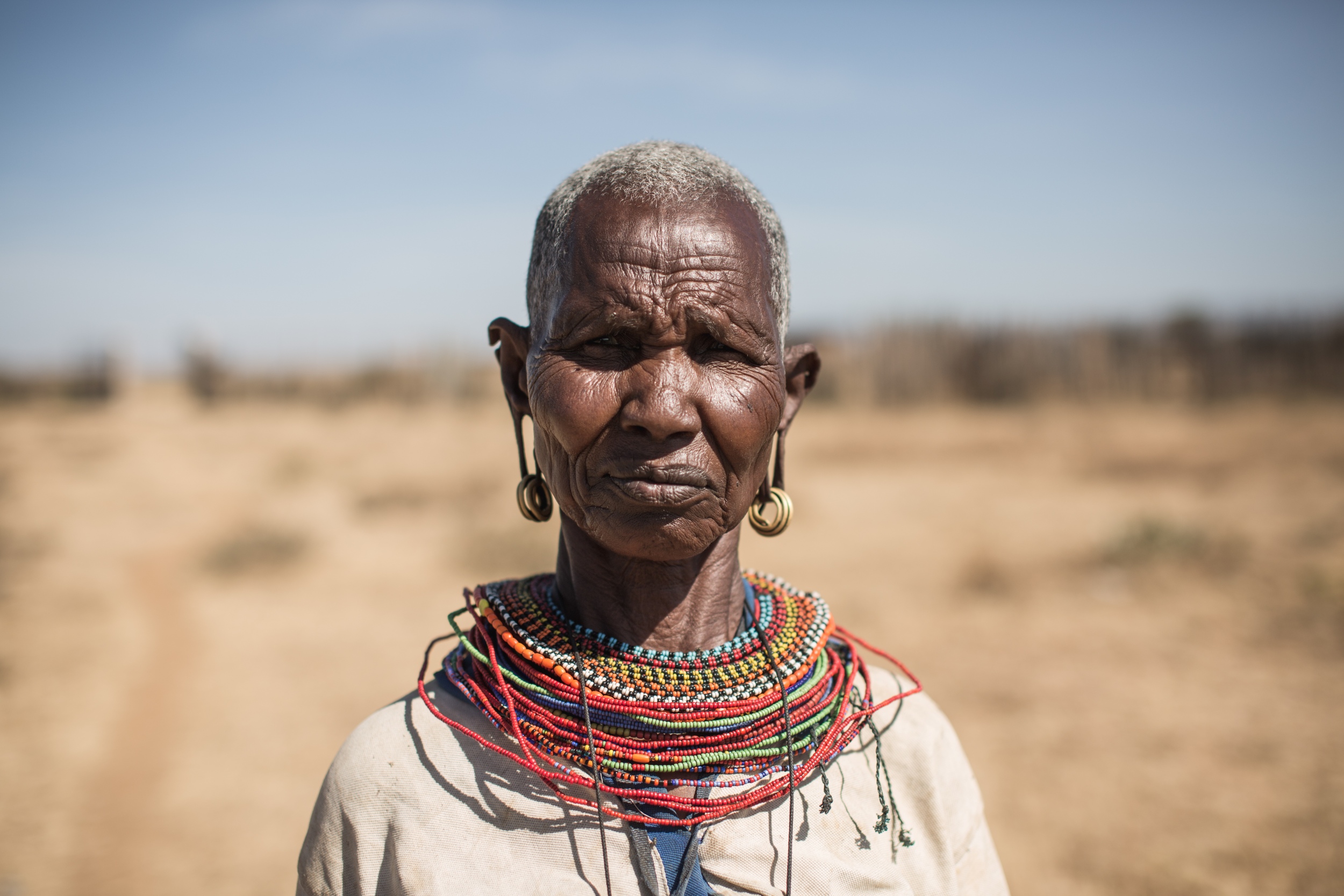
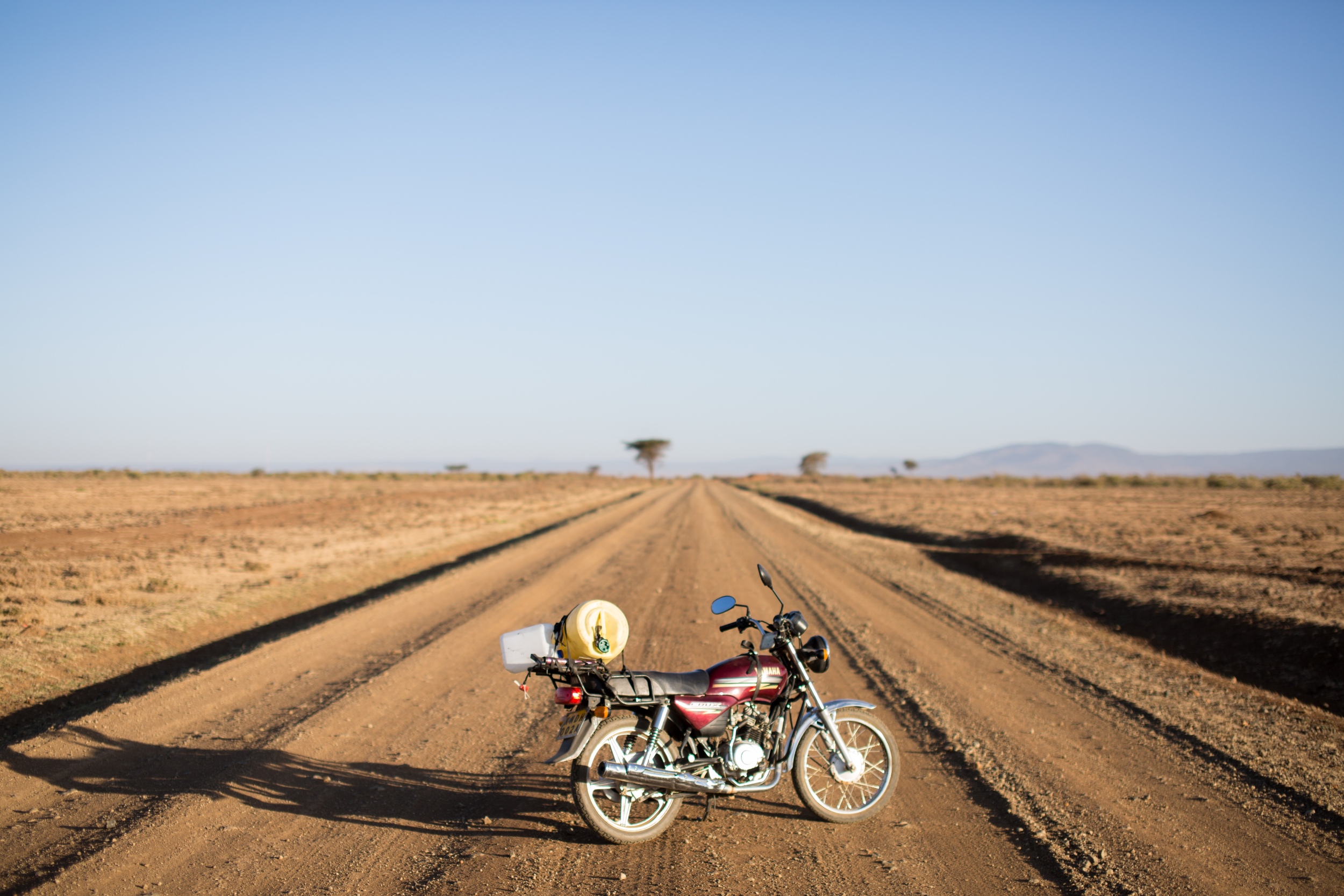
Sadhana Forest Kenya lies in Samburu County, northern Kenya. Samburu is one of the driest regions of East Africa, suffering from malnutrition and regular droughts. The land is barren and largely deforested. The project collaborates with the Samburu people, a semi-nomadic pastoralist community, related to Kenya’s famed Maasai people. Together, we restore degraded land, and aim to build food and water security, through training, water conservation and food forestry.
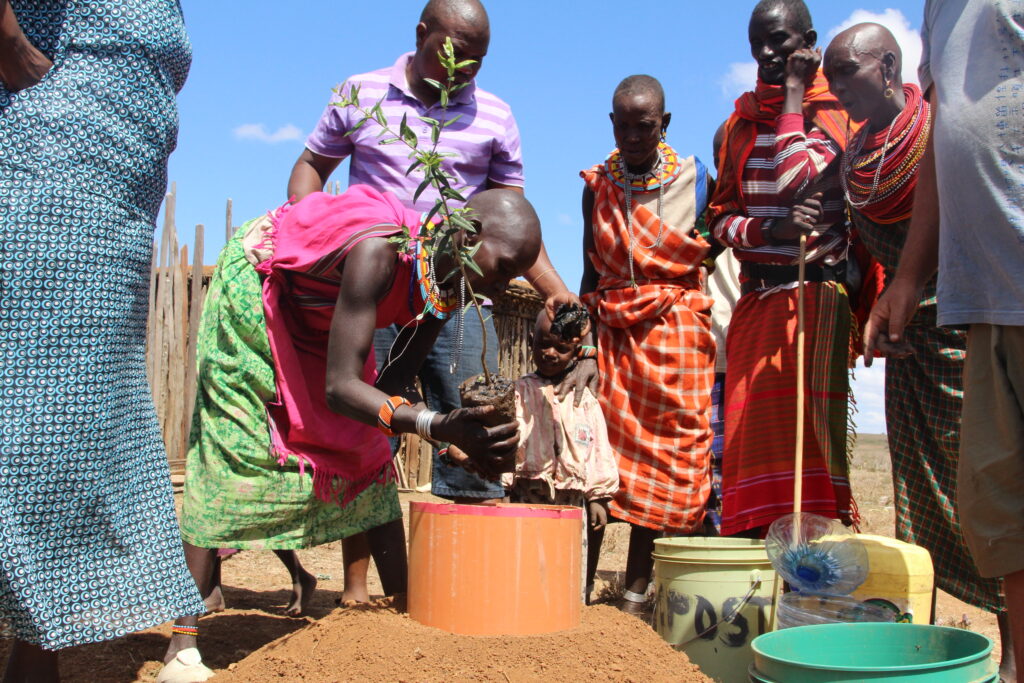
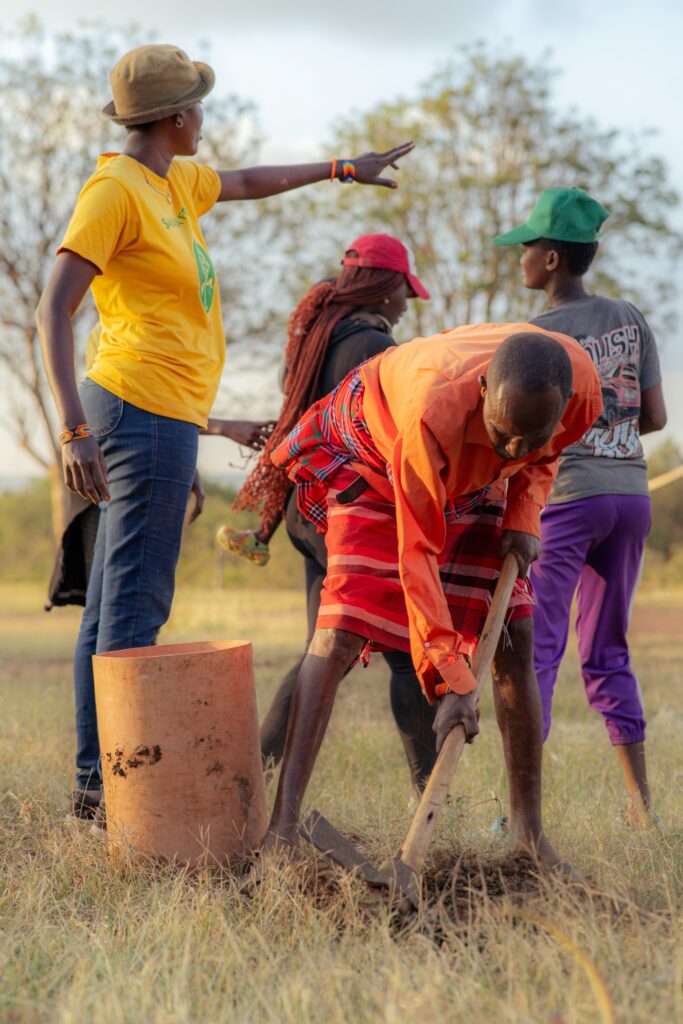
We go out every day planting indigenous, drought-resistant, food-bearing trees, creating food forests. We plant inside manyattas (fenced homesteads containing a few huts) and fenced community areas, such as schools, thereby protecting the trees from grazing animals. These forests then provide nourishment, shade, and ecological balance to homes and communities. Read more about our approach.
Context
Samburu County is a dry and largely deforested area. Malnutrition is widespread with 1 out of 5 children under 5 years old are suffering from acute malnutrition. Climate change has led to irregular rainfall patterns and more frequent and severe drought in recent years. Combined with overgrazing, this is leading to a vicious cycle of environmental degradation. The Samburu are a pastoralist community that are largely dependent on their livestock. Pastoralist communities are considered to be among the most vulnerable to climate change, as they depend entirely on the land, which is becoming less fertile. Recent droughts have decimated livestock populations, making it increasingly difficult for people to survive on these barren lands and to continue the traditions of their ancestors.
People are struggling to find sufficient food and water. They survive on a poor diet of mainly purchased cornmeal porridge, supplemented with a limited amount of dairy and often have to walk long distances to find water. Over 70% of the population in Samburu lives below the poverty line. Employment opportunities are scarce, leading more and more people to migrate to the cities, where they face difficult economic conditions and often end up living in slums. Because of the tough environmental conditions, and the presence of grazing livestock, many previous reforestation efforts have been unsuccessful.
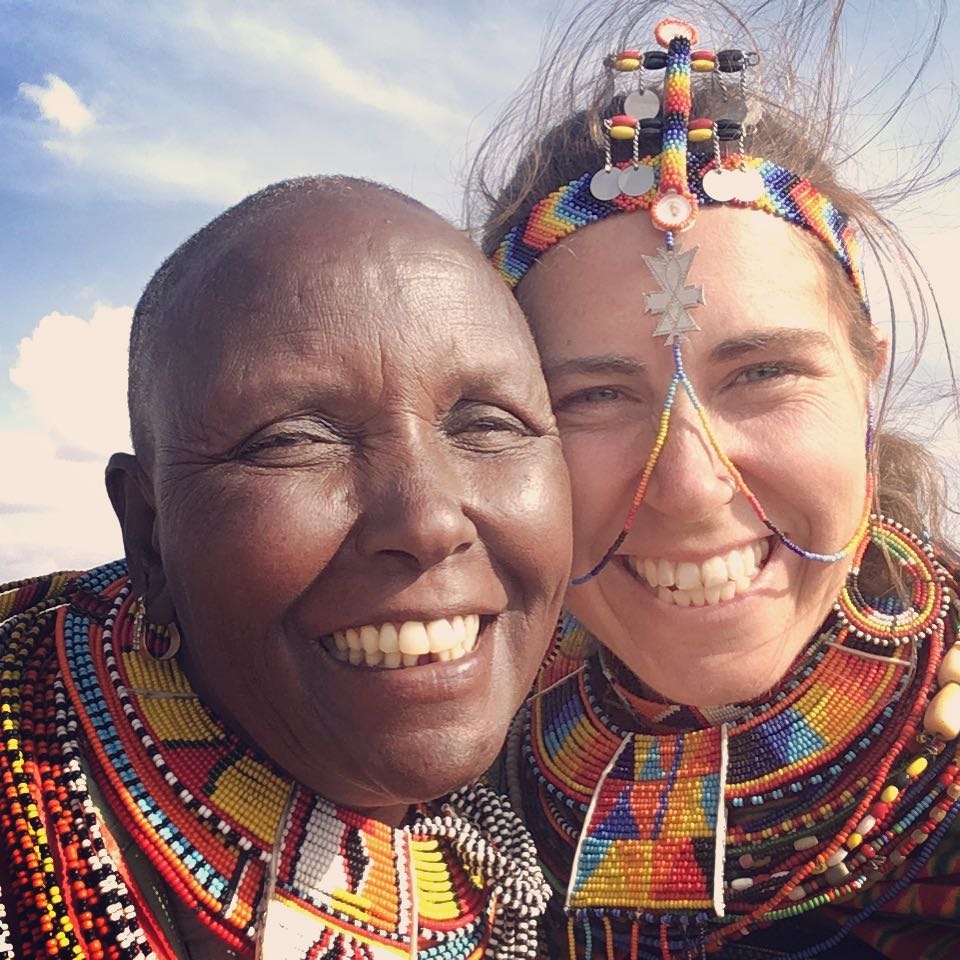
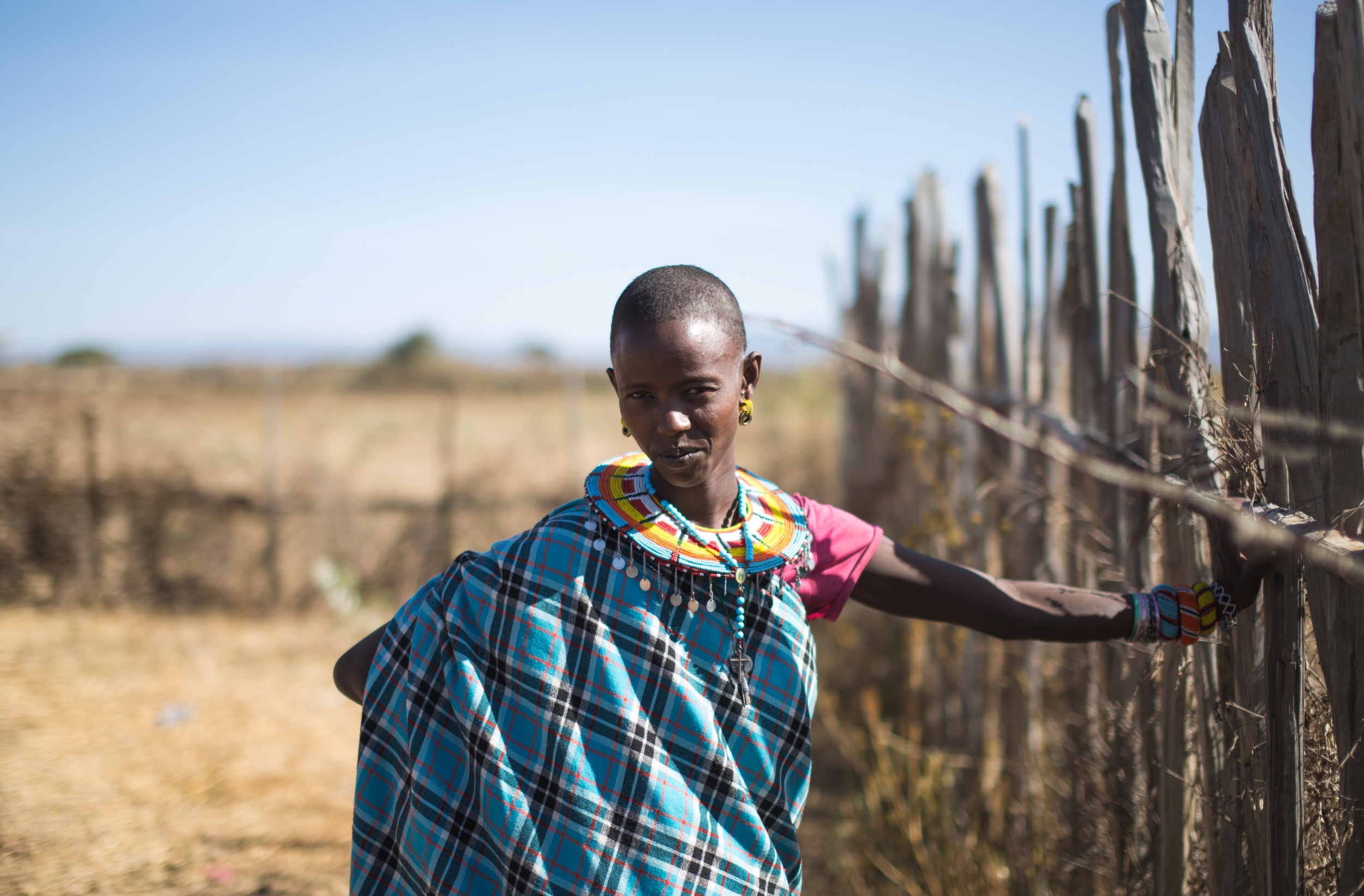
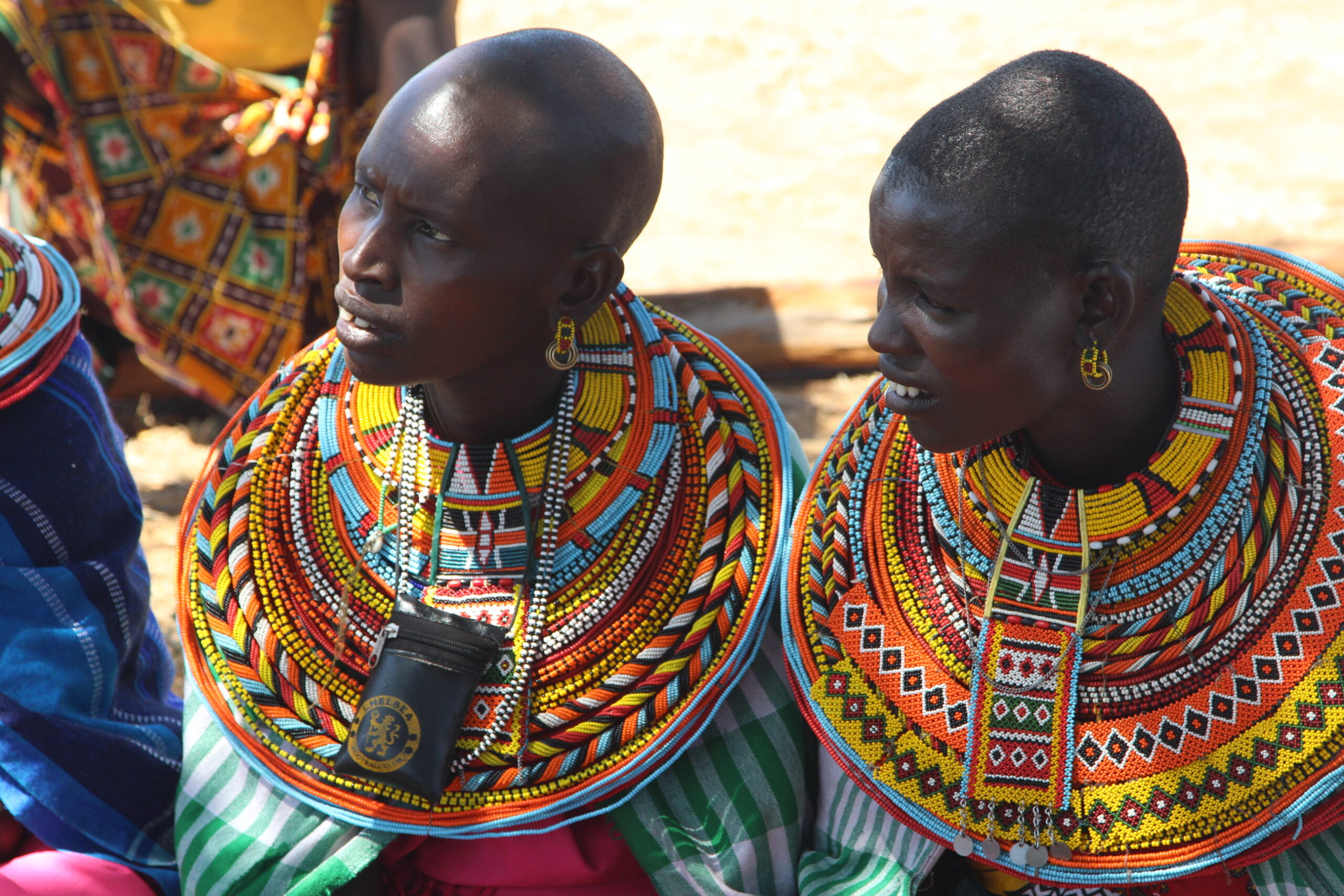
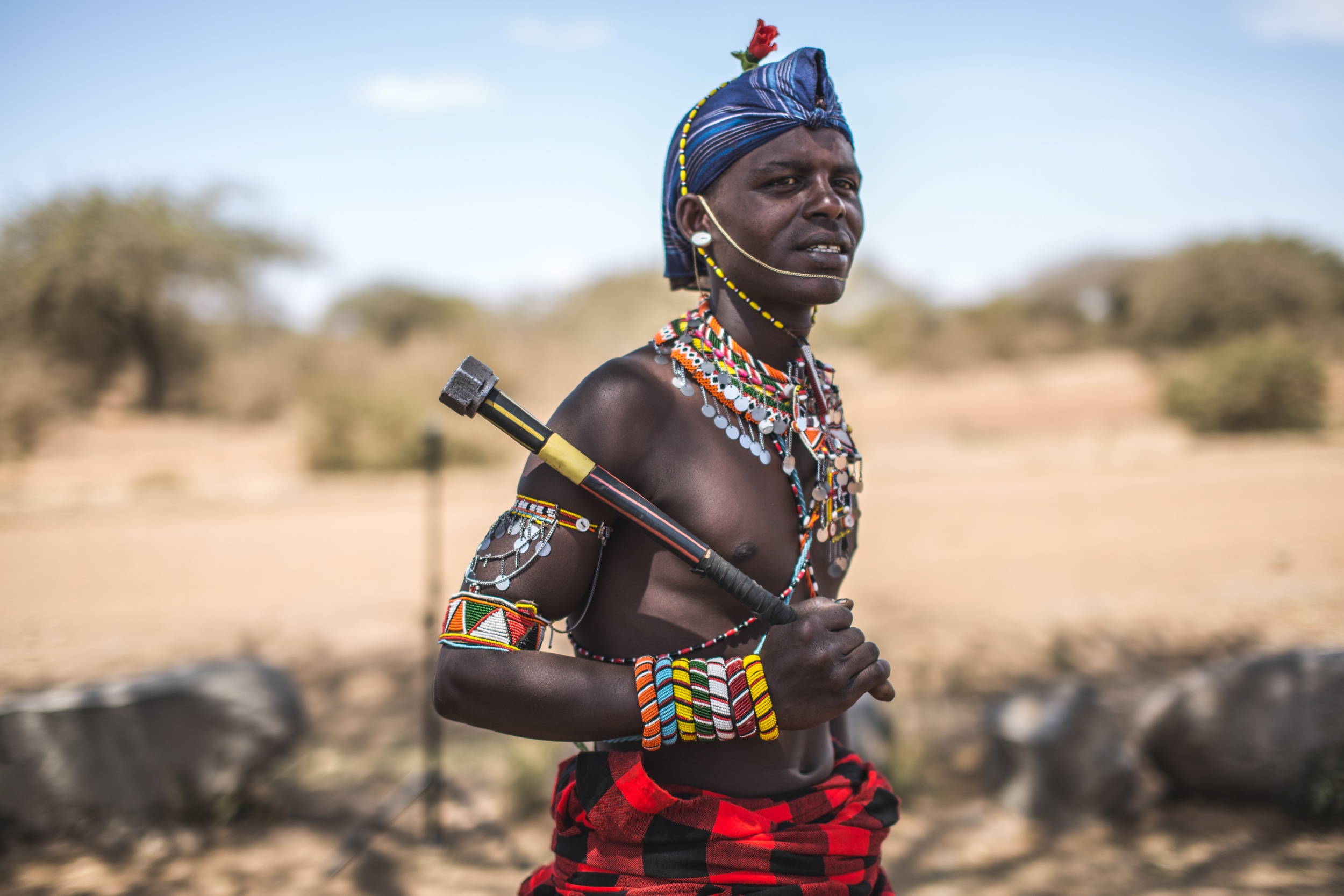
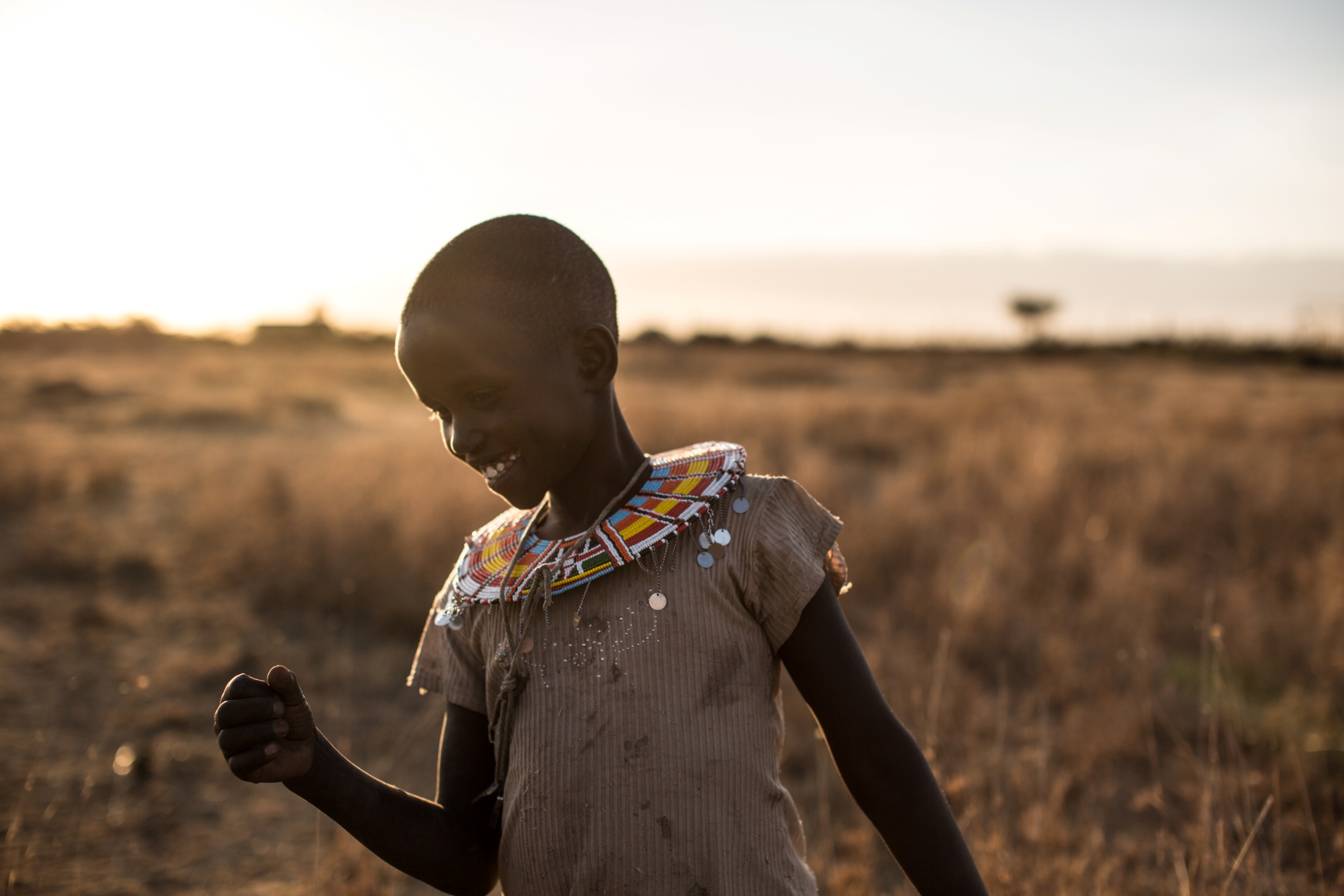
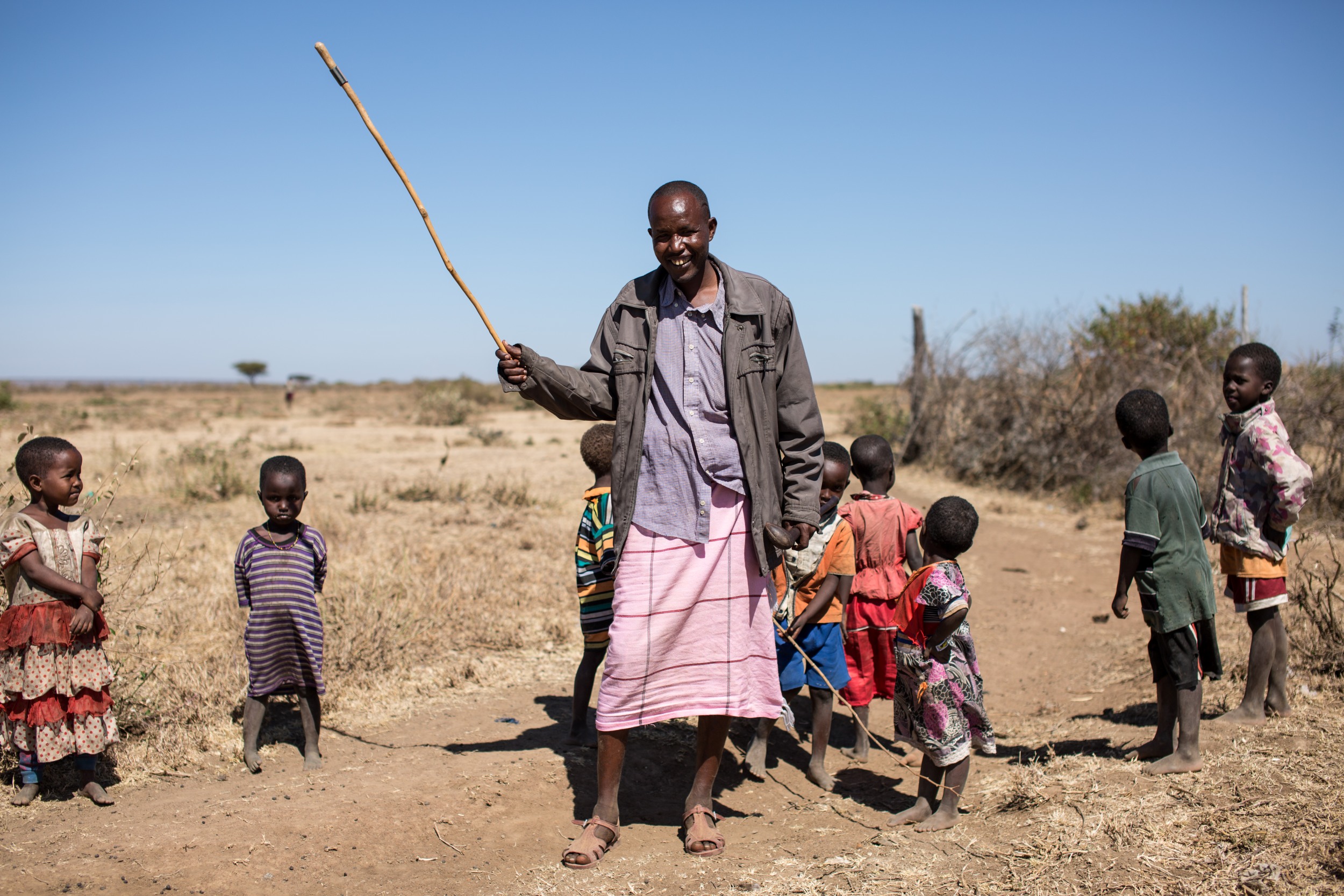
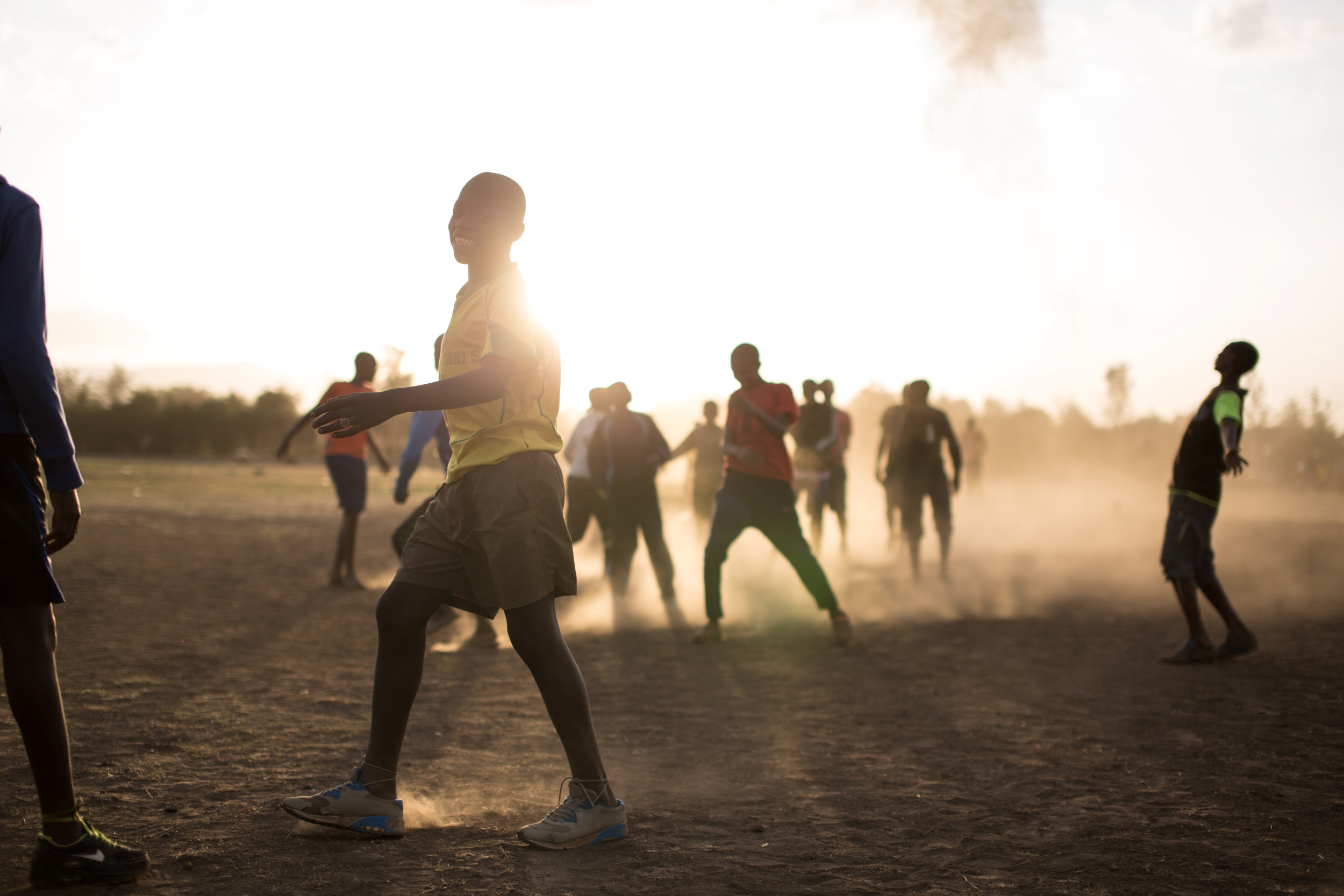
Samburu people and their land
History
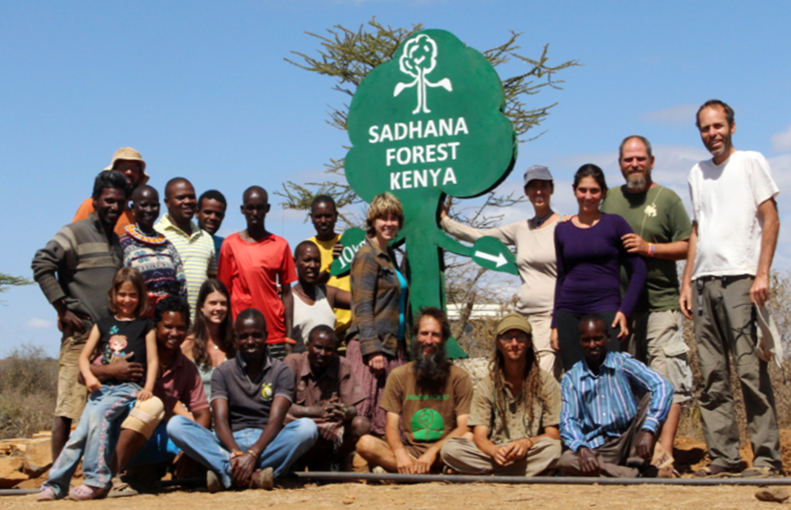
Sadhana Forest Kenya was started in 2014. After two years of ongoing conversations, the local community was enthusiastic to start collaborating with Sadhana Forest. The relationship with the community remains very good. Our founder was even formally recognized as an elder by the community after his 50th birthday!
Campus
Sadhana Forest Kenya has a 27-acre campus with a nursery, permaculture demonstration plot, training area, vegan kitchen and camping spaces for our volunteers, some of whom live here permanently. We have our own borewell and at the gate, there are free drinking water taps where local people can come and take water for drinking, household use and watering their trees. Without Sadhana Forest, they would have to walk long distances to get fresh water. The availability of clean drinking water has strongly decreased the prevalence of cholera and diarrhea in the area.
The campus is off-grid and has a wind and solar system. At the gate we also offer free phone charging. Most households in the area are not connected to the grid, and people have to pay high fees to charge their phones in the market. Being able to charge their phones strongly increases safety and security in an area where homesteads are spread far apart.
Our Team
The team running Sadhana Forest Kenya and its activities consists almost entirely of Samburu people from the neighboring area. Some of them have been with us for many years and have become experts in dry land regeneration and community restoration leaders. Sadhana Forest Kenya is offering one of the only employment opportunities in the area. Women hold leadership positions and even take up traditionally male roles, such as ‘watchwoman’.
The Moringa Tree
One of our success stories is the Moringa tree. The indigenous Moringa (Moringa stenopetala), is a drought-resistant tree producing edible leaves within a few months of planting. Dried leaves can be turned into powder, allowing for long-term storage. The leaves are rich in minerals and proteins, providing a crucial supplement to local diets. They are especially high in iron, which is hugely valuable for pregnant and breastfeeding women and their chilrden. Iron-deficiency anemia is widespread in Samburu County, causing premature births, slowed growth and wasting in children. When breastfeeding mothers can add just a handful of moringa leaves to their diet every day, their breast milk production increases markedly, leading to healthier babies and faster growth.
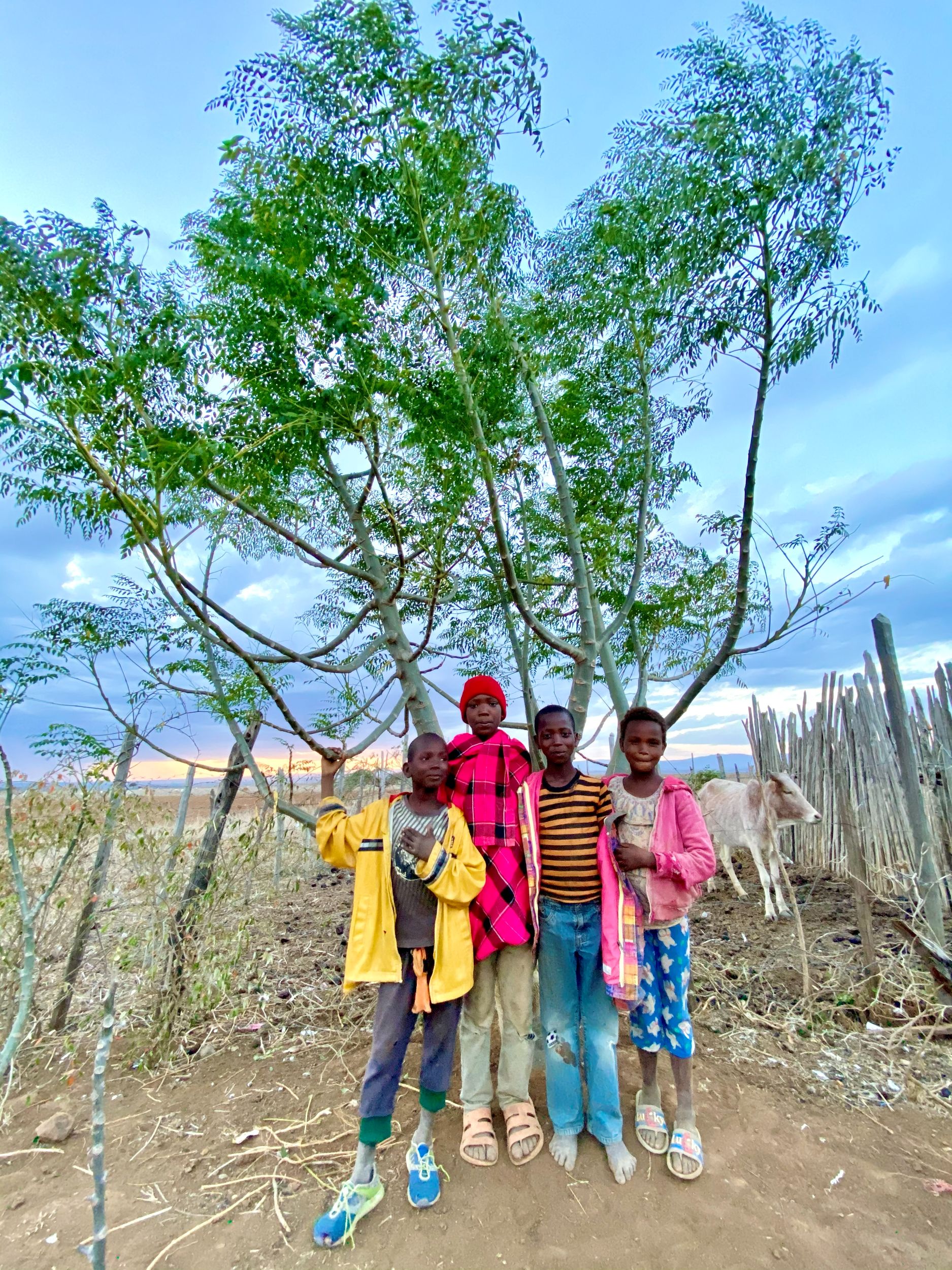 Samburu children with the moringa they planted with Sadhana Forest in their backyard
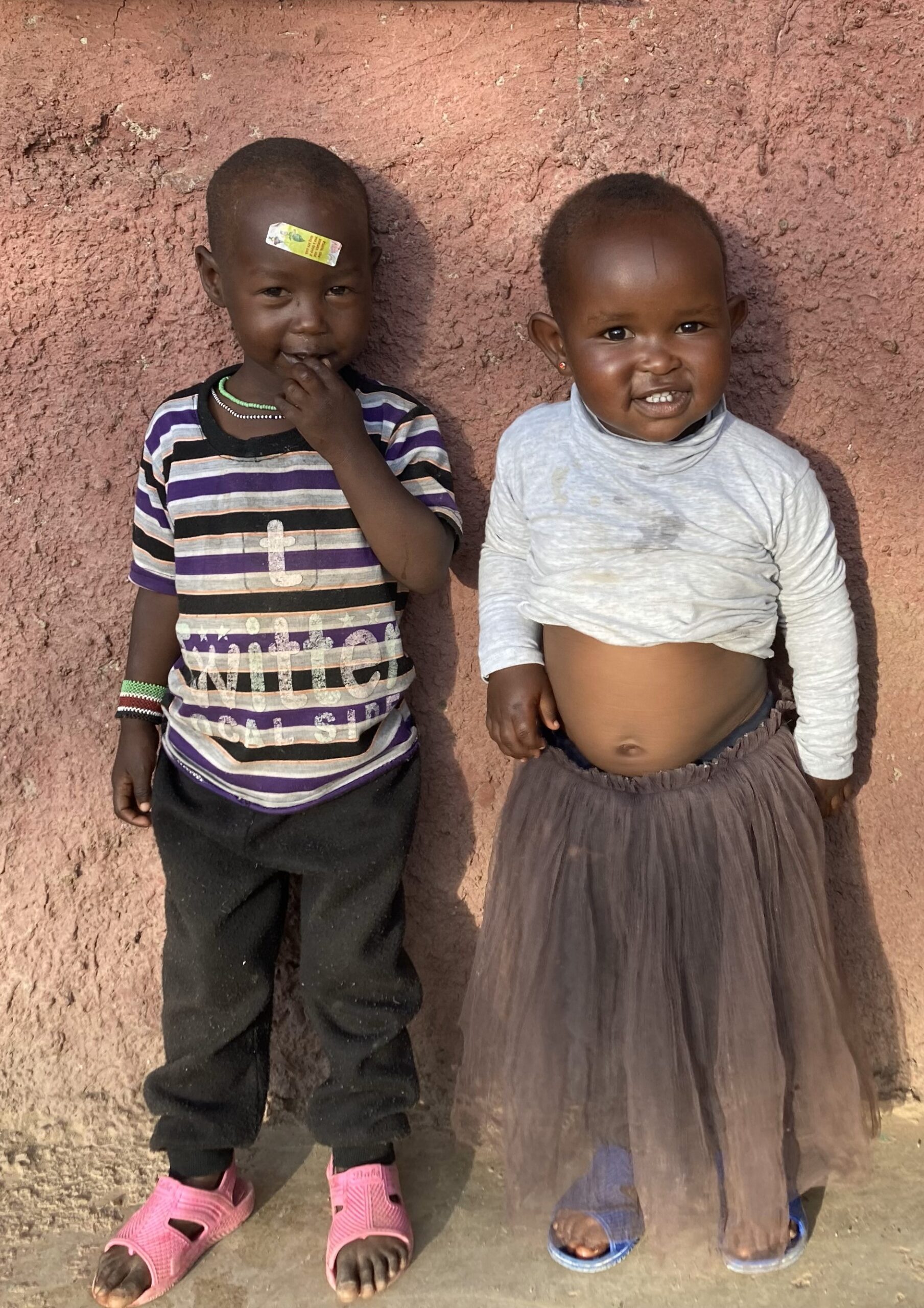 Lulu (on the right) is 3 years younger than her cousin, yet she is much bigger. The difference? Lulu’s mother was eating moringa leaves from a tree she planted with Sadhana Forest while breastfeeding..
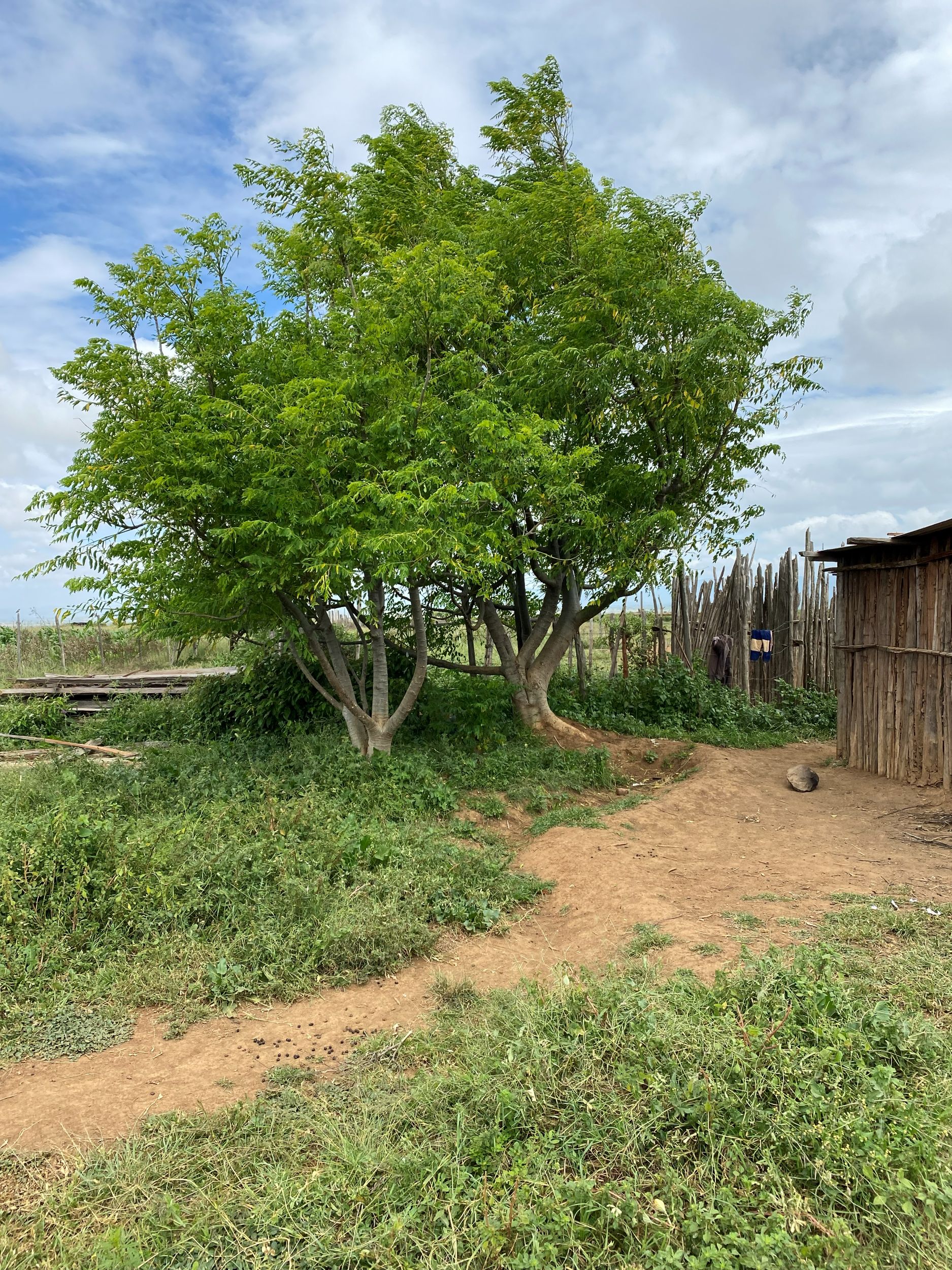 A moringa tree full of leaves!
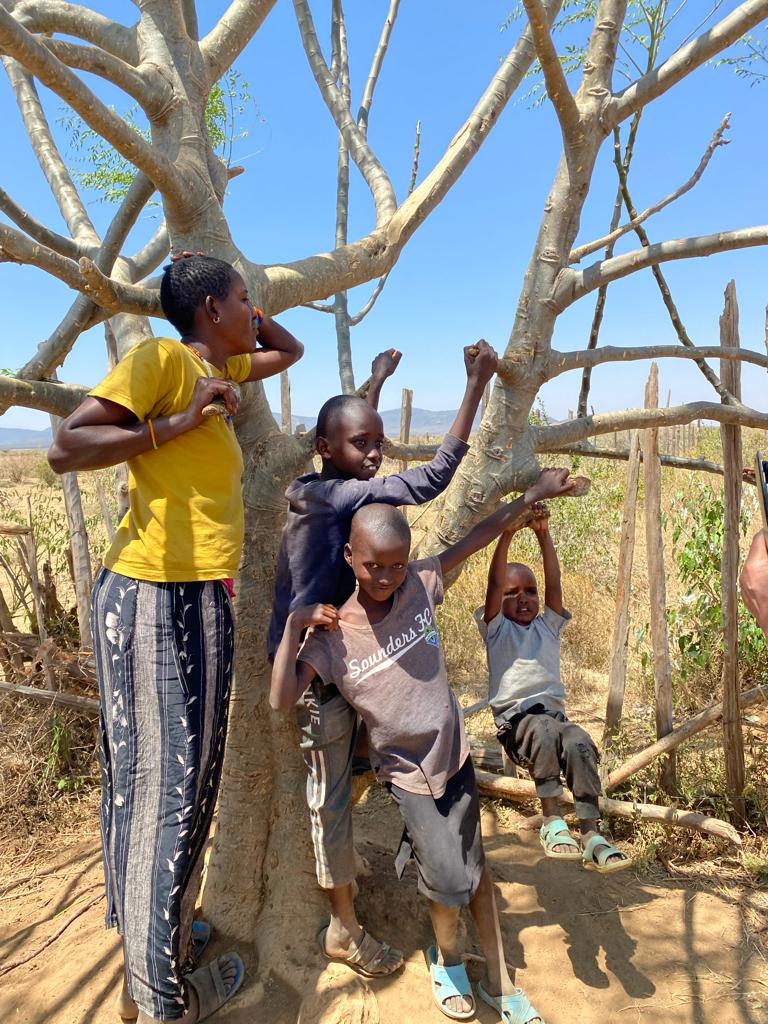 The moringa trees we planted are growing big!
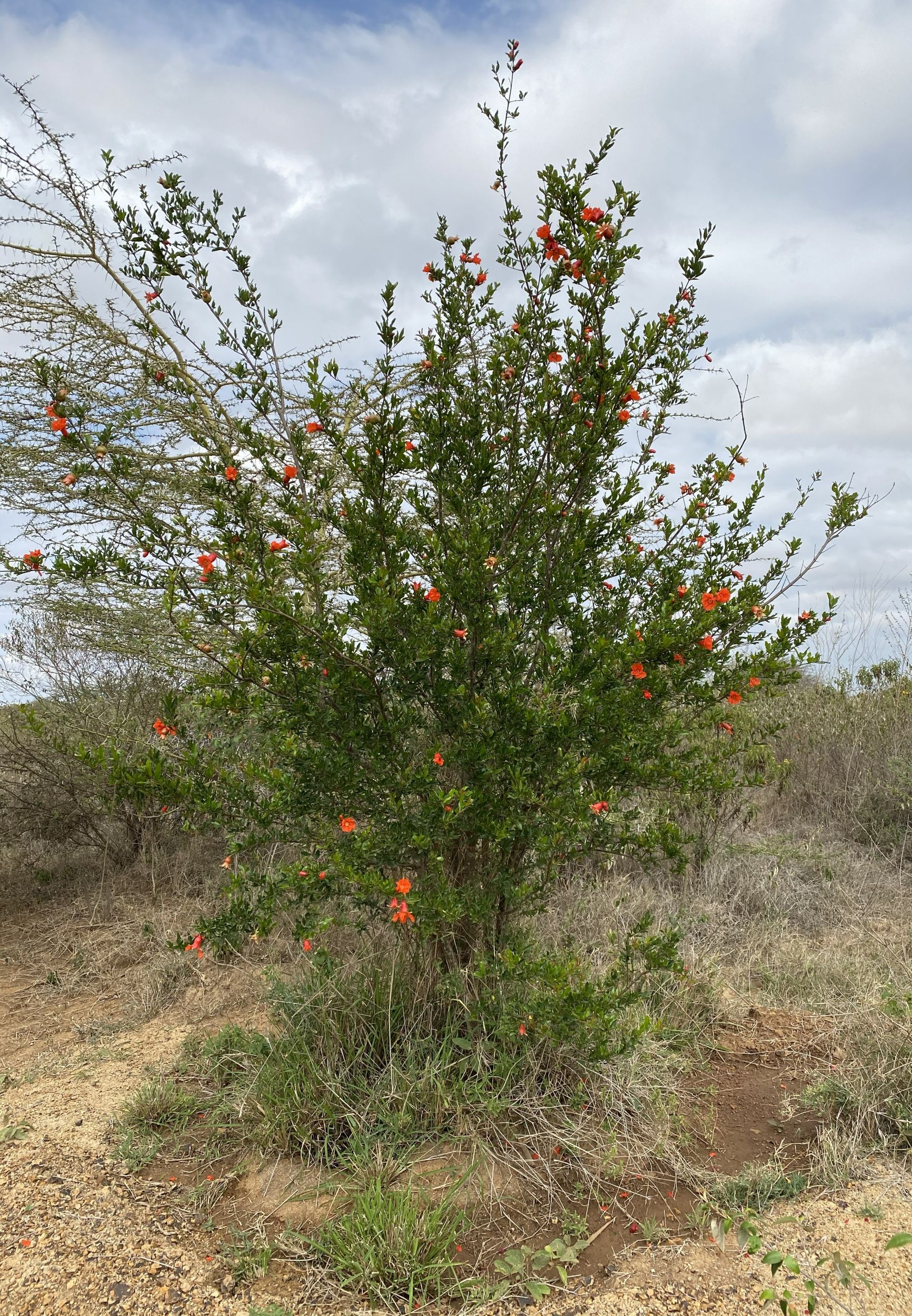 A tree planted with Sadhana Forest giving fruits
Mobile Reforestation Unit & Water Truck
Two vehicles allow us to dramatically increase the range of our operations. Sadhana Forest Kenya has a 4×4 truck that has been fully refurbished to function as a mobile reforestation unit. The truck can carry our entire team along with 3,000 litres of water, saplings, compost, and all tools and materials needed for tree planting. It can also carry supplies and a small kitchen stove, so our team can go on day or even week-long excursions to plant trees in areas far away from our campus. The truck is a former military truck and can cross the rough terrain of the Kenyan savanna easily. We have done successful field trips to Kajiado, Marsabit and Turkana Counties.
We also have a 6000 litres water truck, which delivers clean drinking water to remote homesteads, making sure both people and saplings stay well hydrated. During times of drought, the tanker has been a life saver for many families.
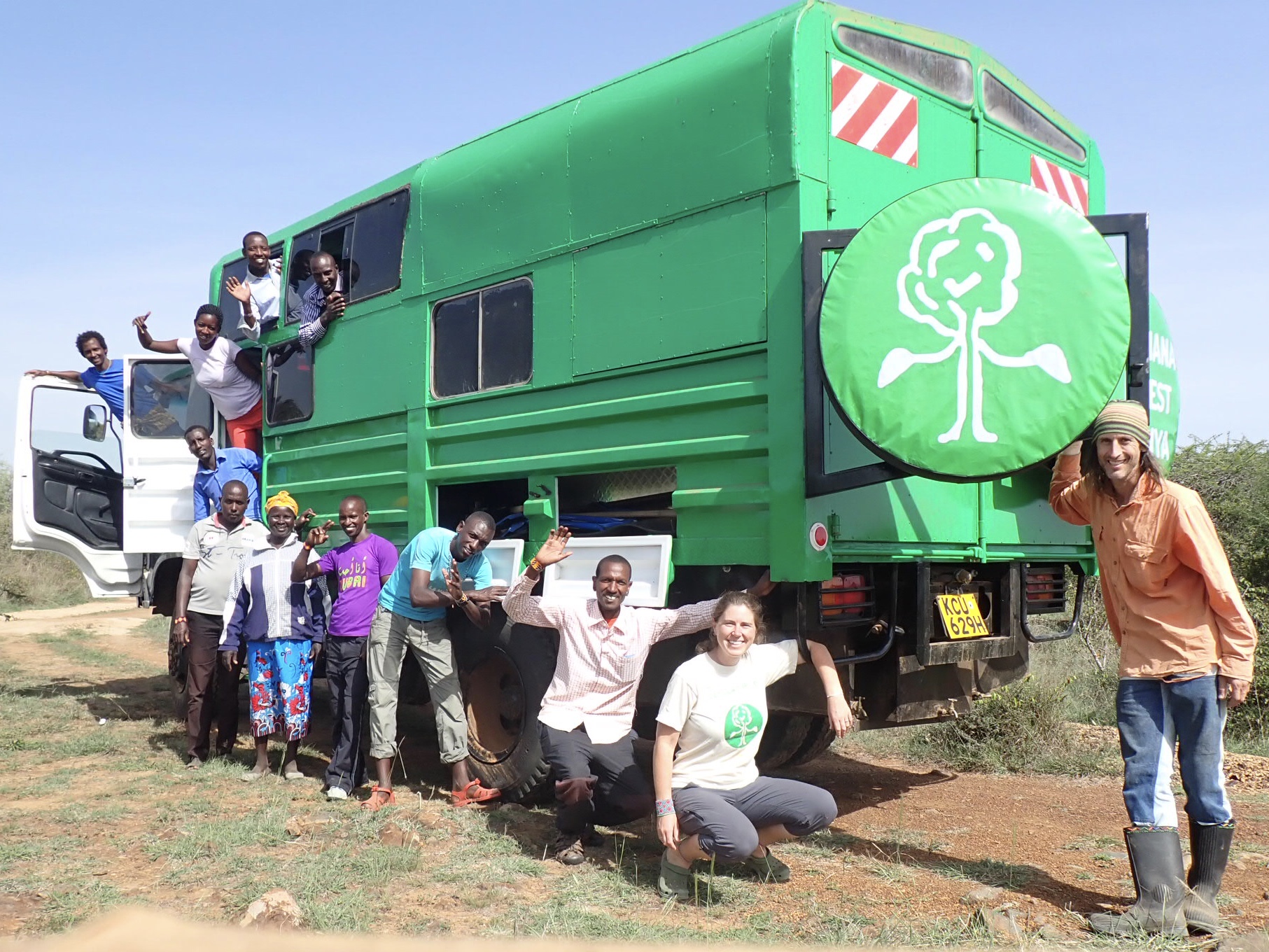 Reforestation truck & team
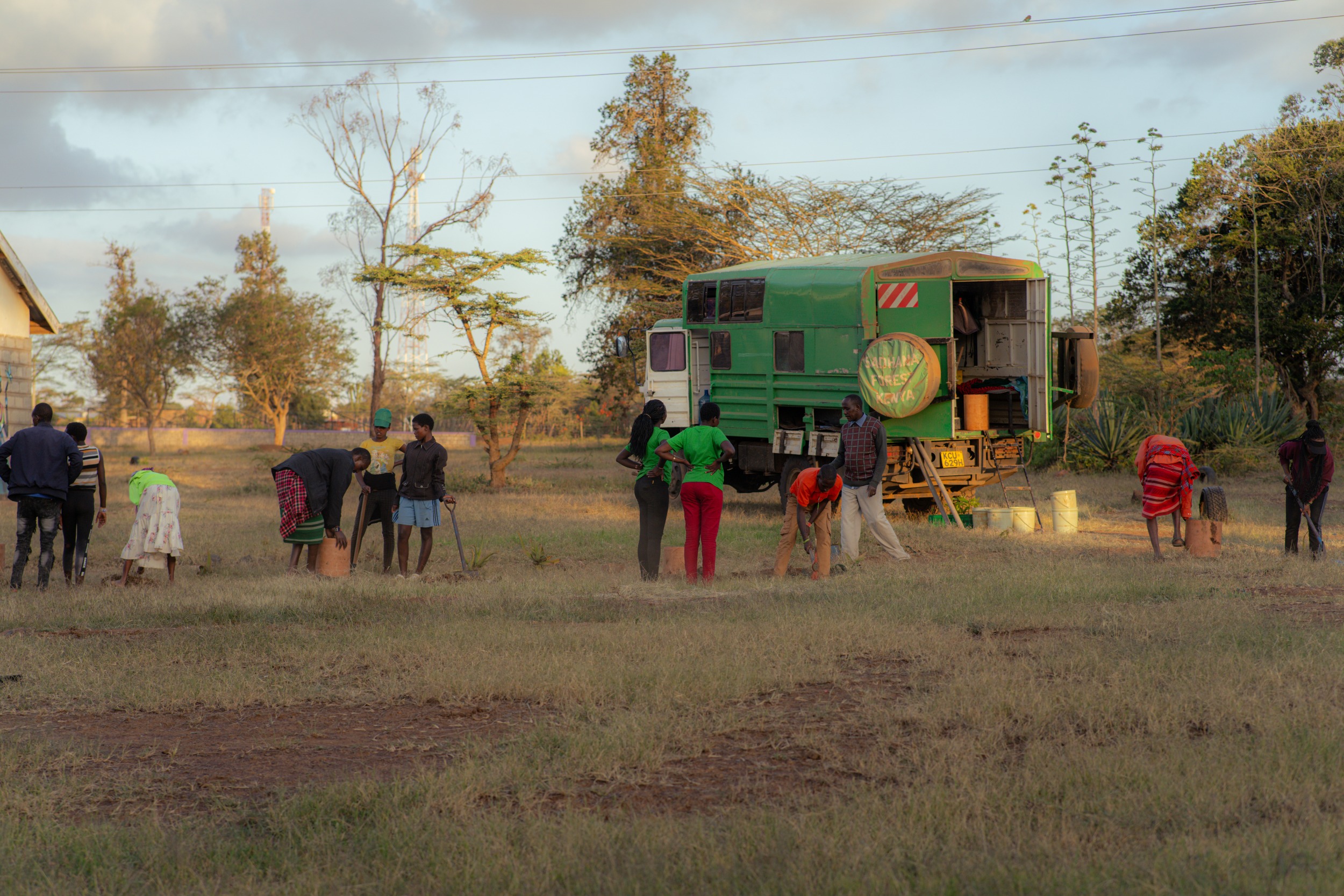 Mobile Reforestatoin Unit in action
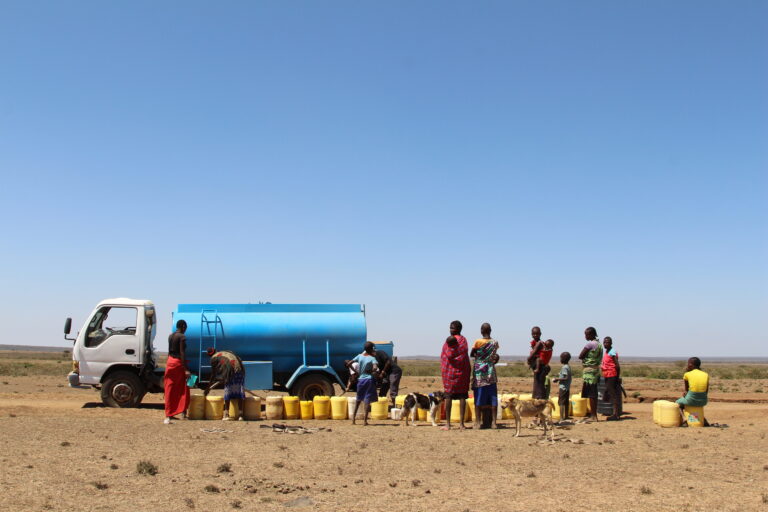 Water tanker delivering precious water
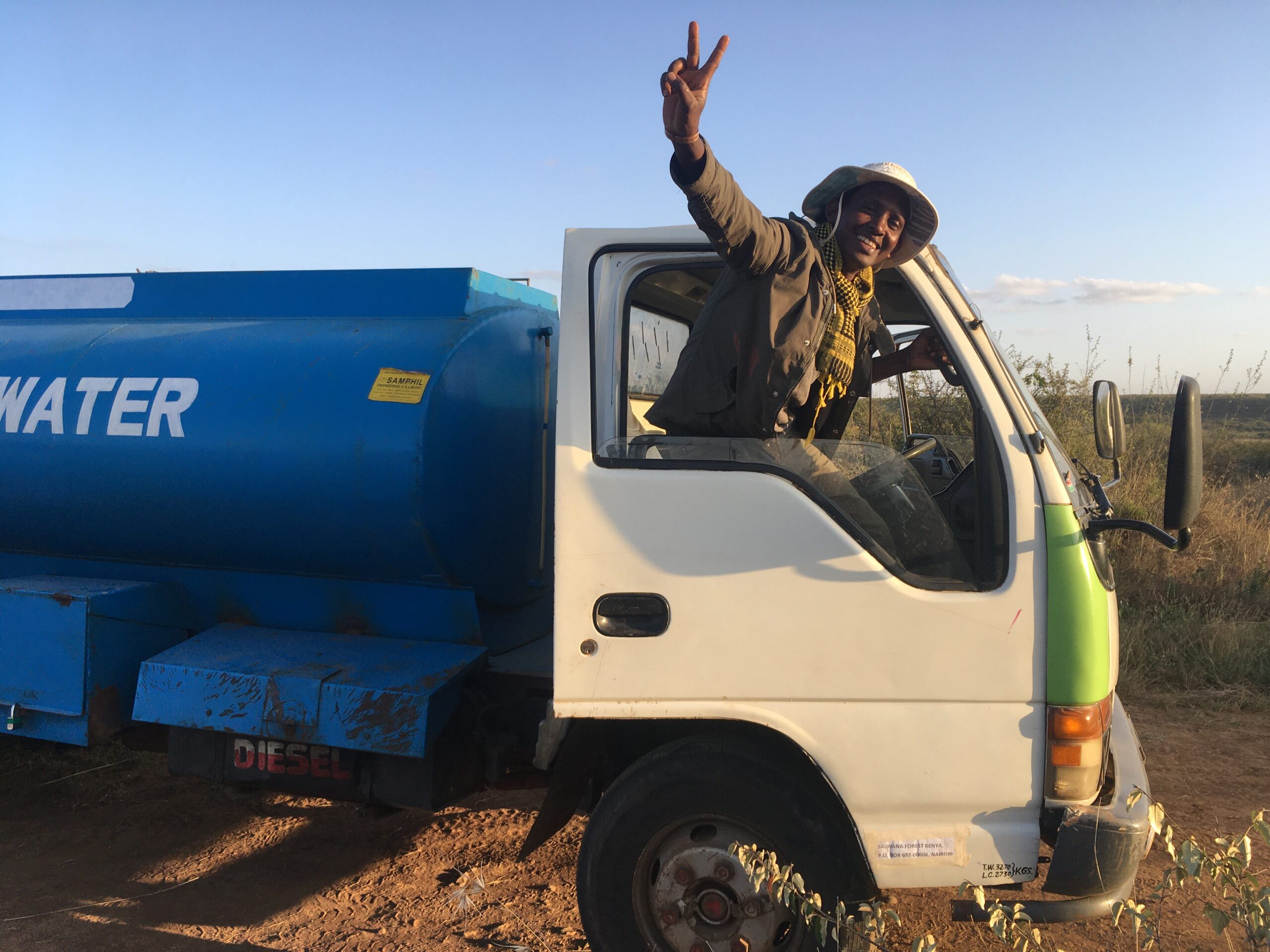 The Sadhana Forest team driving from village to village
Moveable nurseries
Another successful innovation has been the movable nurseries. We created mobile shade net structures that can be used to create permaculture kitchen gardens on barren lands in the space of just a few months. We plant a wide variety of fruit trees and other food-producing species, tightly packed together under the protection of the shade net. After just a few months, the shade structure becomes too small for the garden and it can be moved to restart the process in the next location. This approach works really well in places where water is readily available.
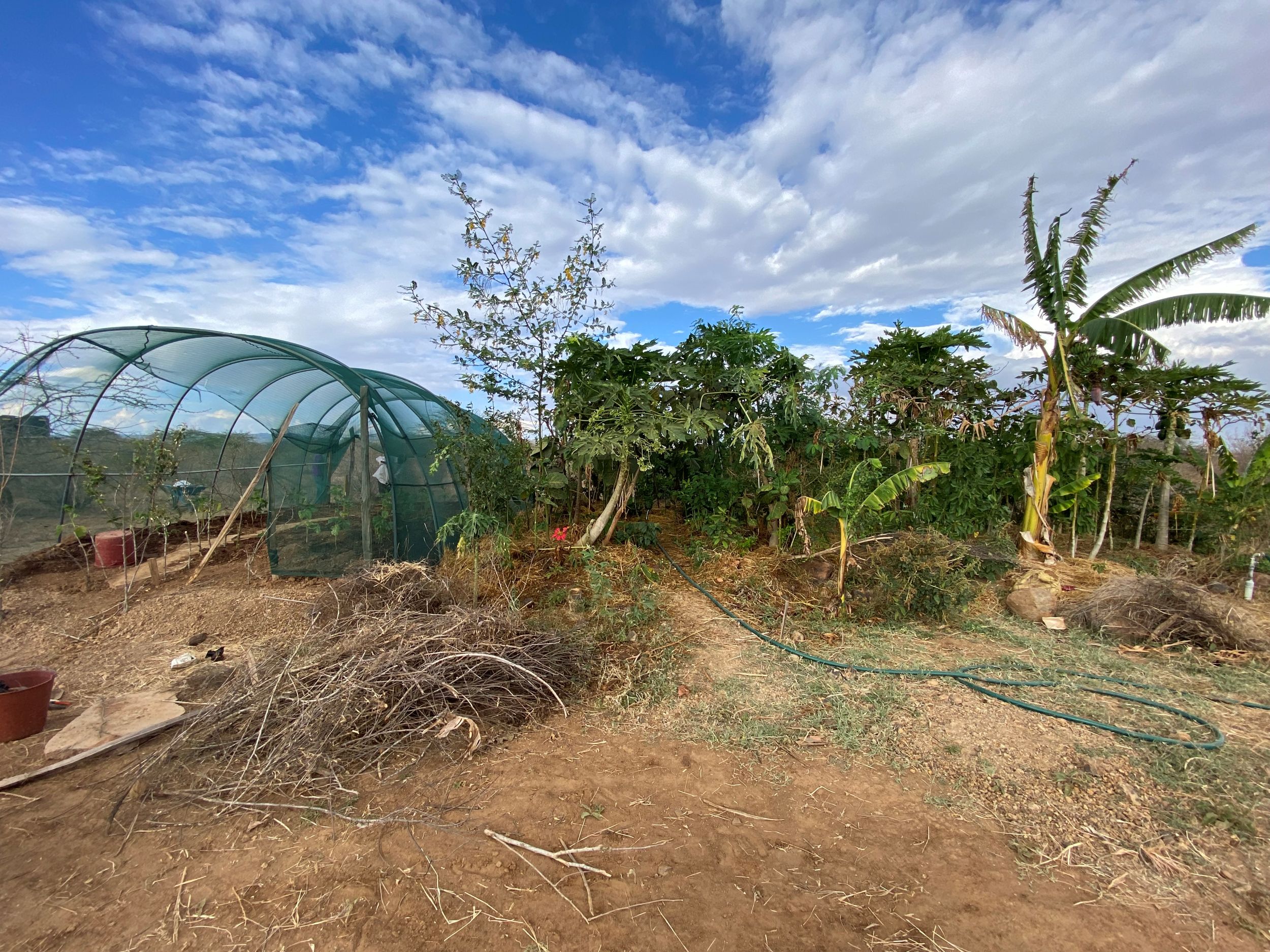 Newly planted kitchen garden next to an old one
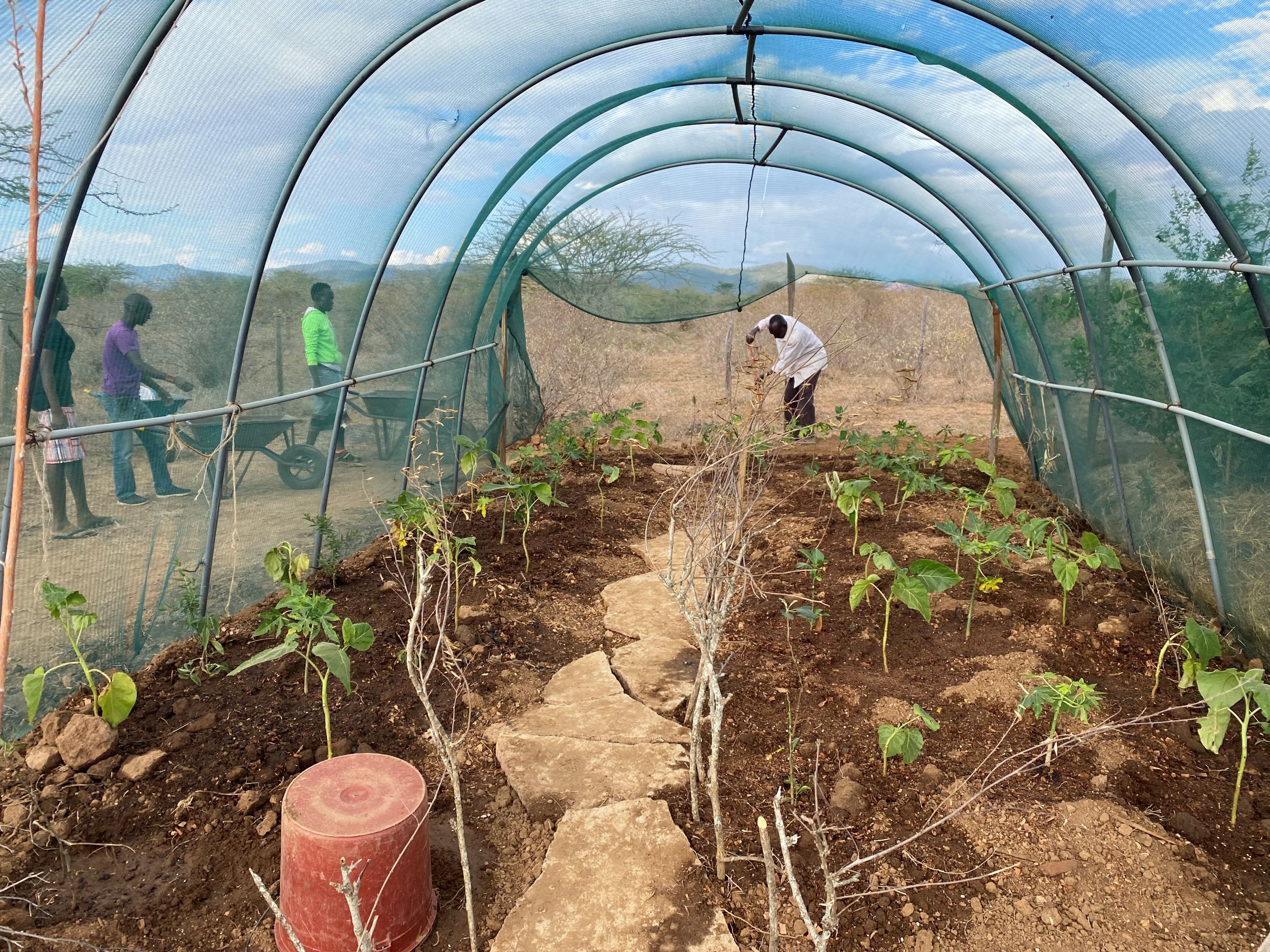 Planting the new garden
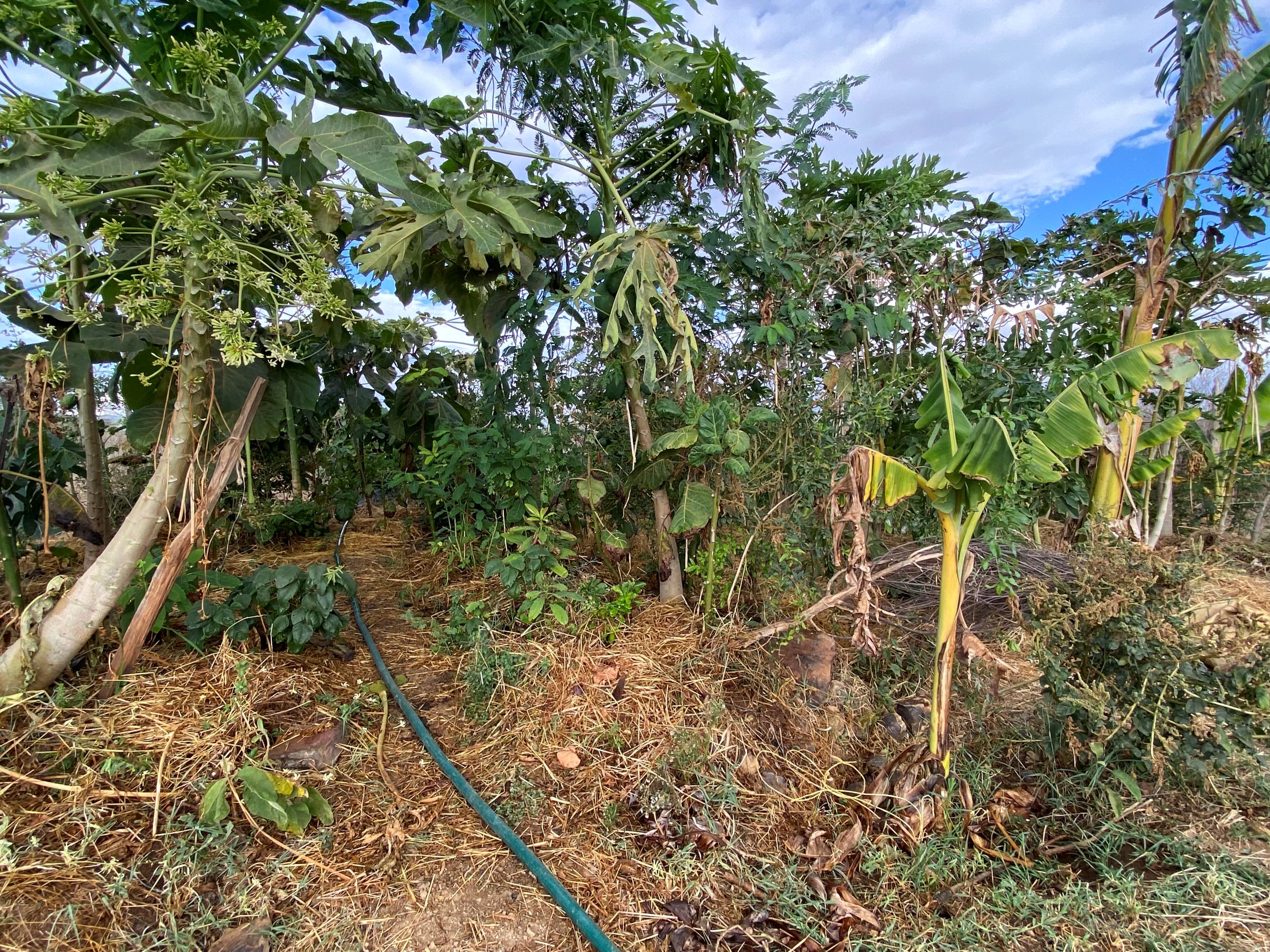 Within a few months, there is an abundance of fruits and leaves to harvest
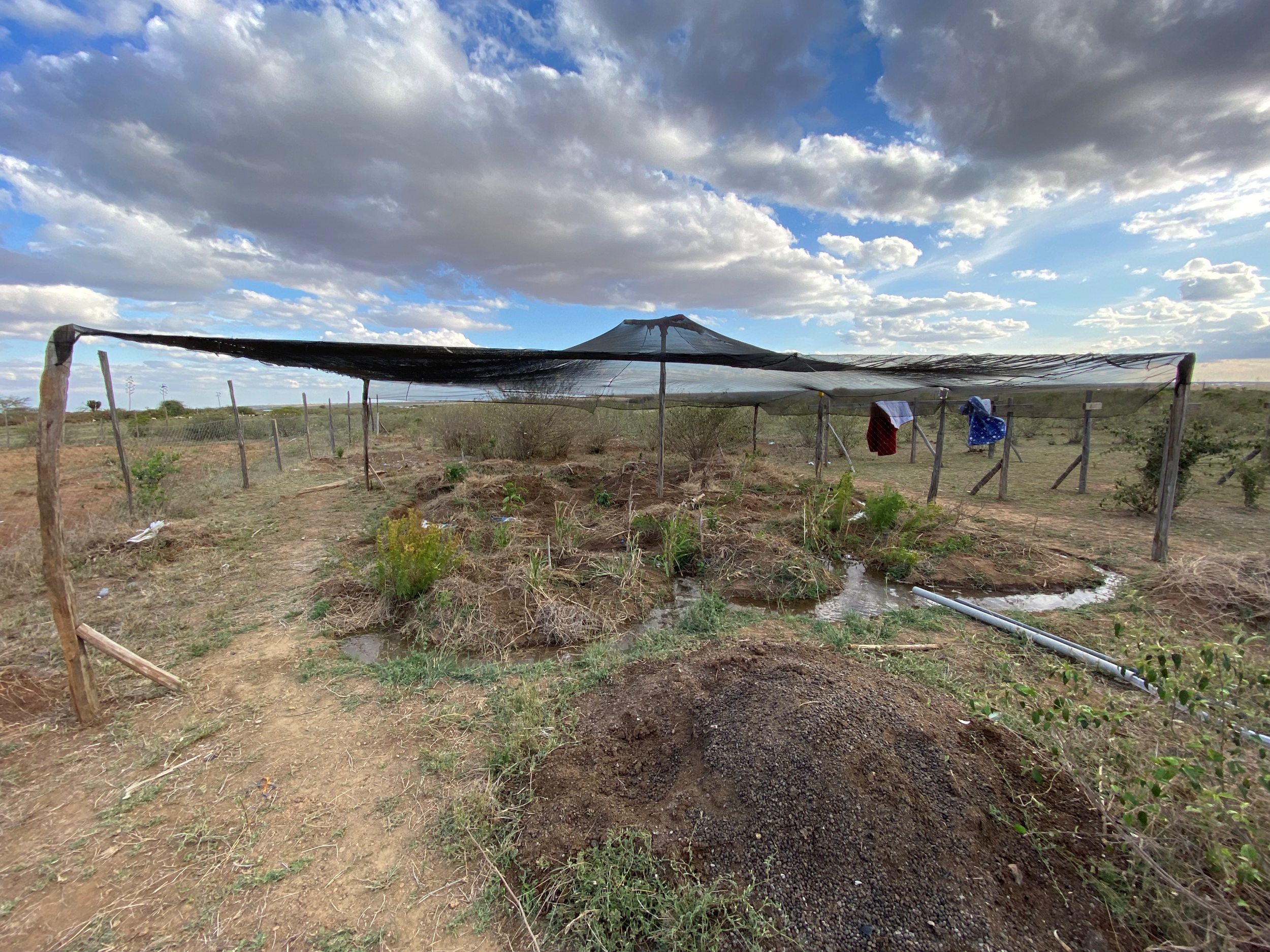 Just after setting up a moveable nursery
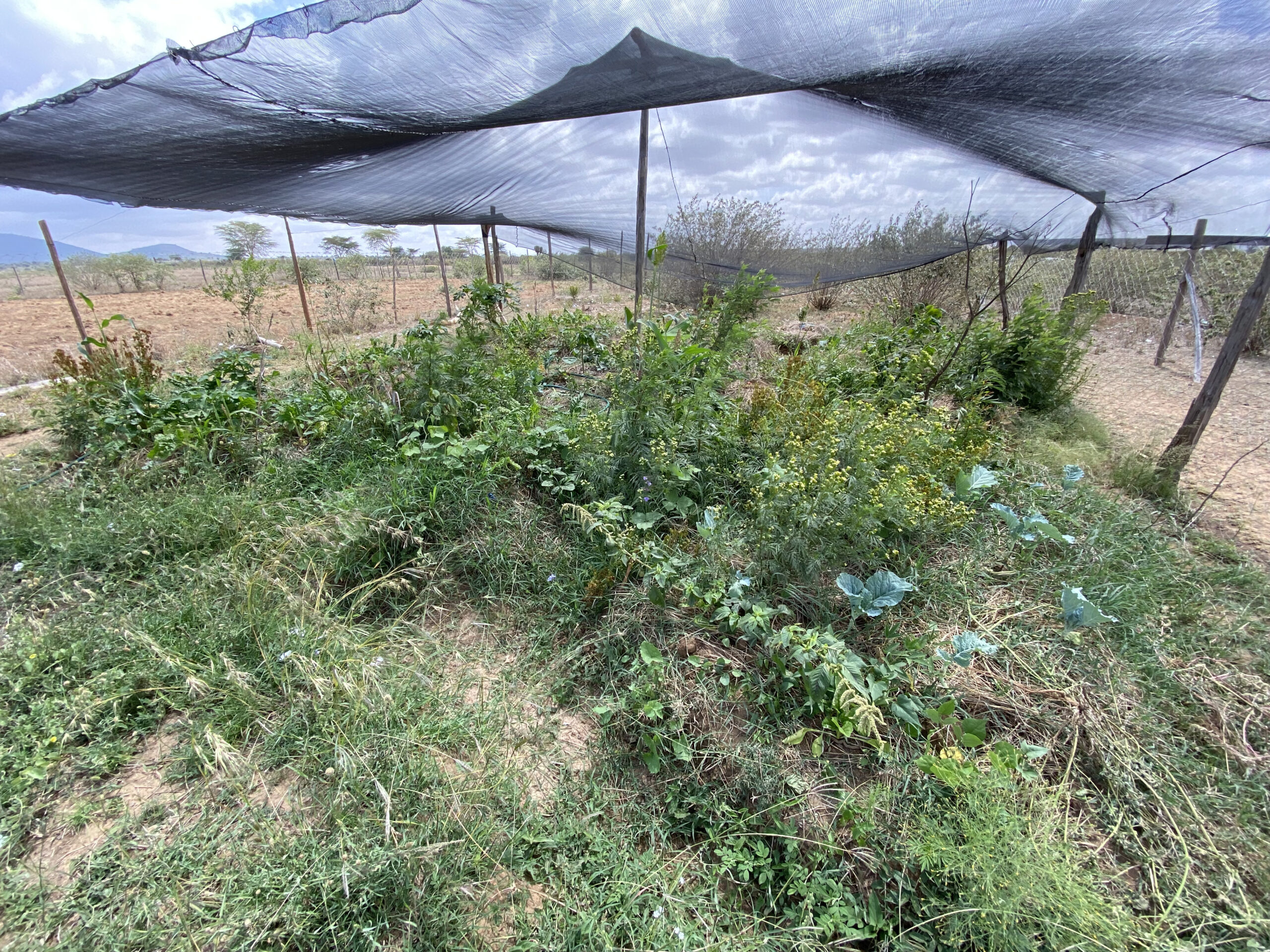 Rapid growth in just a few months
 Starting a new plot
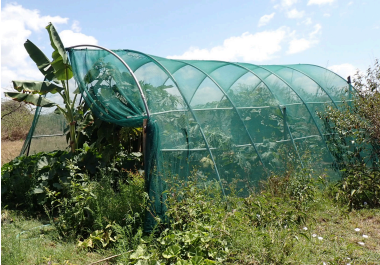 Only 9 months later, the shade net is overcrowded!
Volunteer
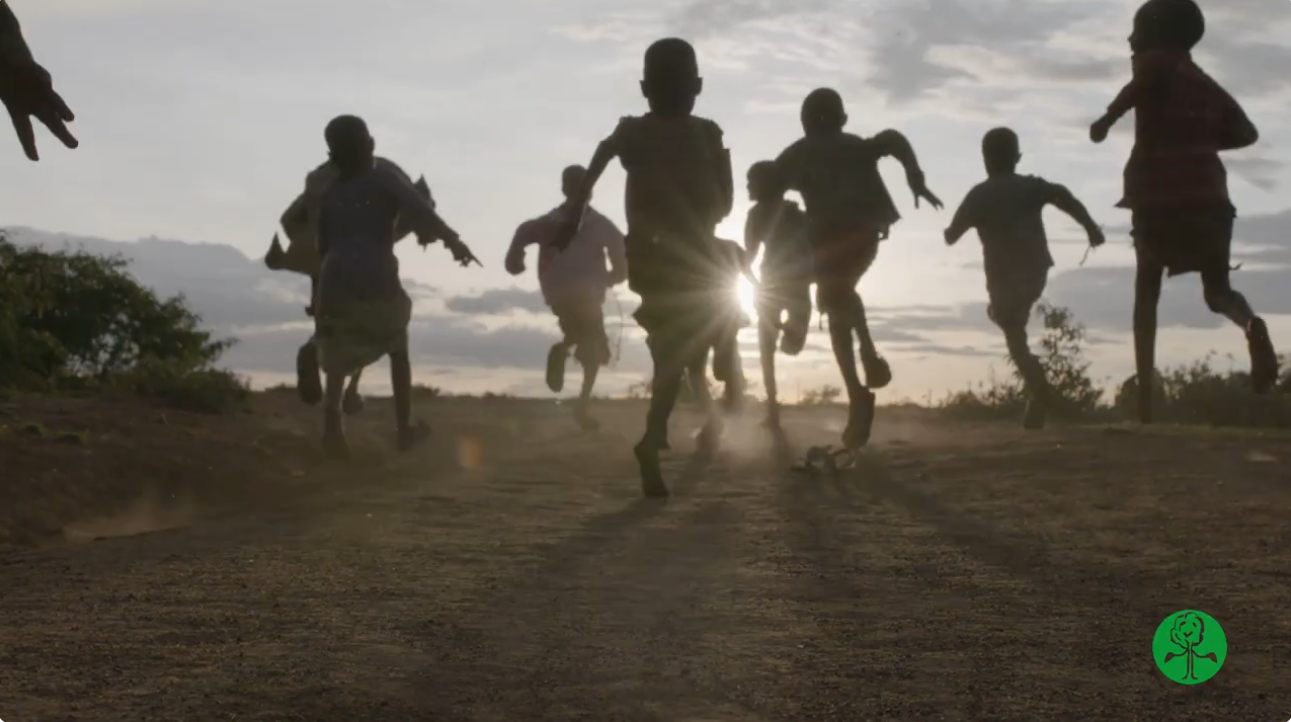
Volunteers are welcome year-round. Life on the campus is simple and off-grid. You will camp and do Seva (selfless service) every day: planting trees, implementing water conservation and supporting the project.
Email us at kenya@sadhanaforest.org for more information.