
Sadhana Forest Haiti
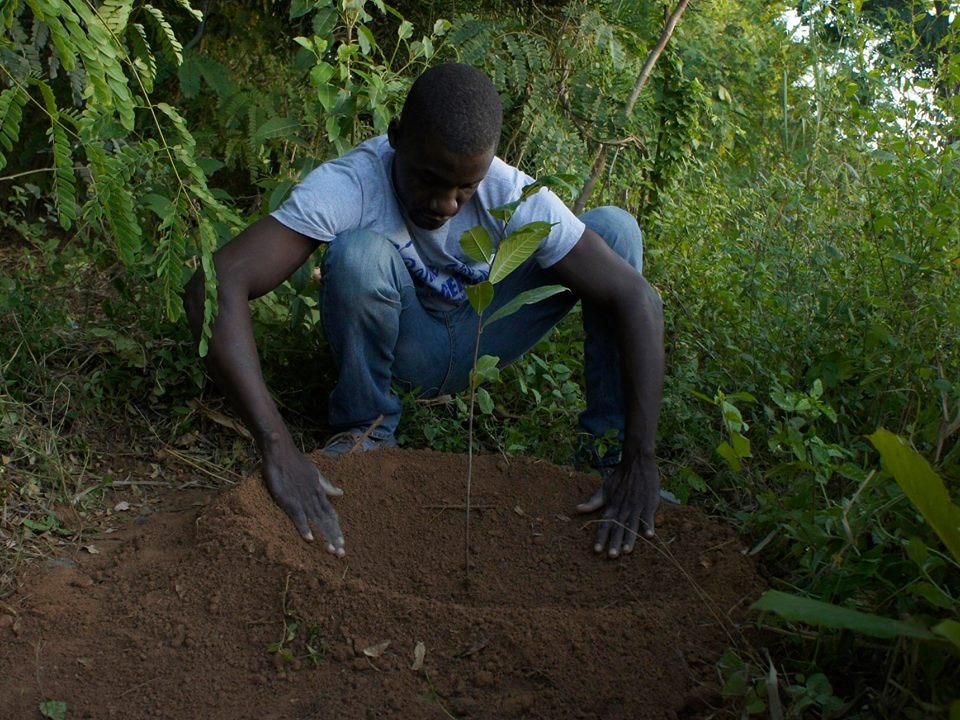
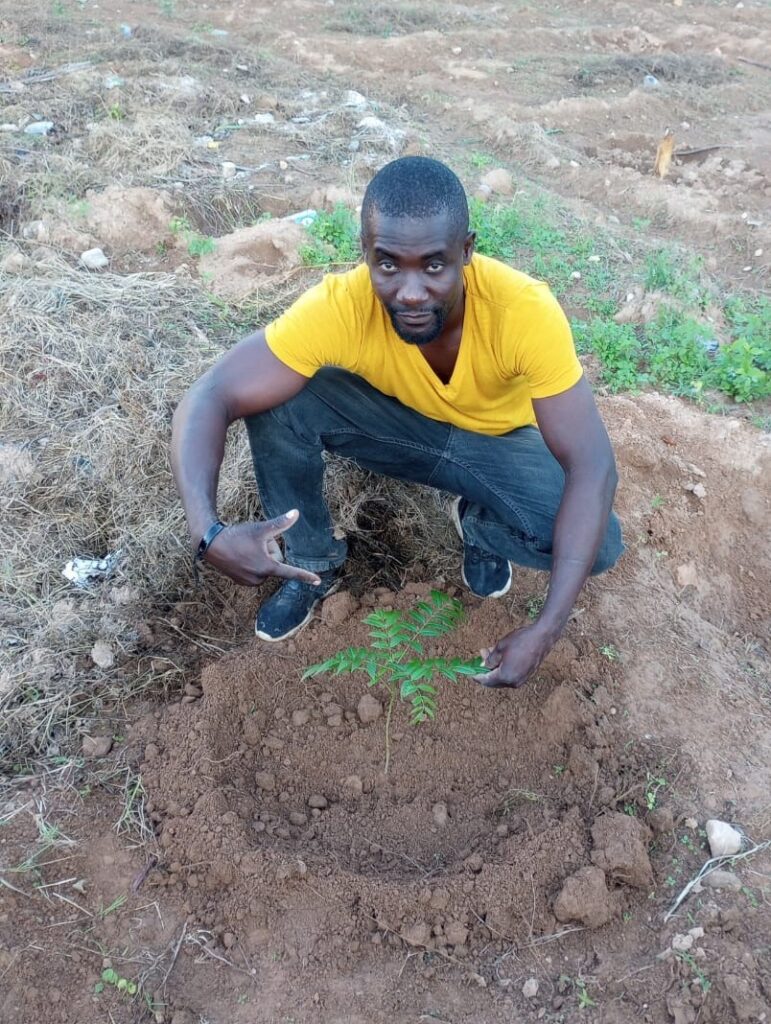
Sadhana Forest Haiti was started in 2010 in Anse-à-Pitres, southeast Haiti, a small town in one of the world’s most malnourished countries, in a deforested, severely eroded area. The local people are facing economic instability, lack of infrastructure, lack of government support and malnutrition. Sadhana Forest Haiti trains local people in land restoration, carries out water conservation and food forestry, together with people, around their homes and in community spaces. So far, we have trained thousands of people, planted tens of thousands of threes, and help create food and water security for hundreds of families. Read more about our approach.
Context
Haiti is the poorest country in the Western Hemisphere. Deforestation is widespread, Haiti is one of the five most malnourished countries in the world with over 50% of the population undernourished. Climate change is bringing more hurricanes and storms, severely damaging infrastructure. Haiti faces continued political problems, strongly limiting the government’s ability to respond to challenges.
Sadhana Forest Haiti is located in Anse-à-Pitres, a quiet rural town in the Southeast corner of Haiti, on the border with the Dominican Republic. The area has very few trees and is severely eroded. Most trees were cut for charcoal production, making the rainwater wash down the hilly, rocky terrain. Frequent storms have damaged the water supply and roads connecting the region. Regular border closures by the Dominican Republic further limit food supply to the town and employment opportunities.
History
As our original Auroville campus flourished, people began to see it as a living model of ecological restoration and compassionate living. As such, it could be recreated in other places. So we started looking for places where we could be of service.
In 2010, Haiti was struck by a devastating earthquake. This was our call to action. Less than two months after the earthquake, a small team from Sadhana Forest arrived to set up a center in the southeastern town of Anse-à-Pitres.
Campus
Our 4 acre campus includes a dormitory, solar system, training space and a food forest demonstration plot. Further infrastructure includes:
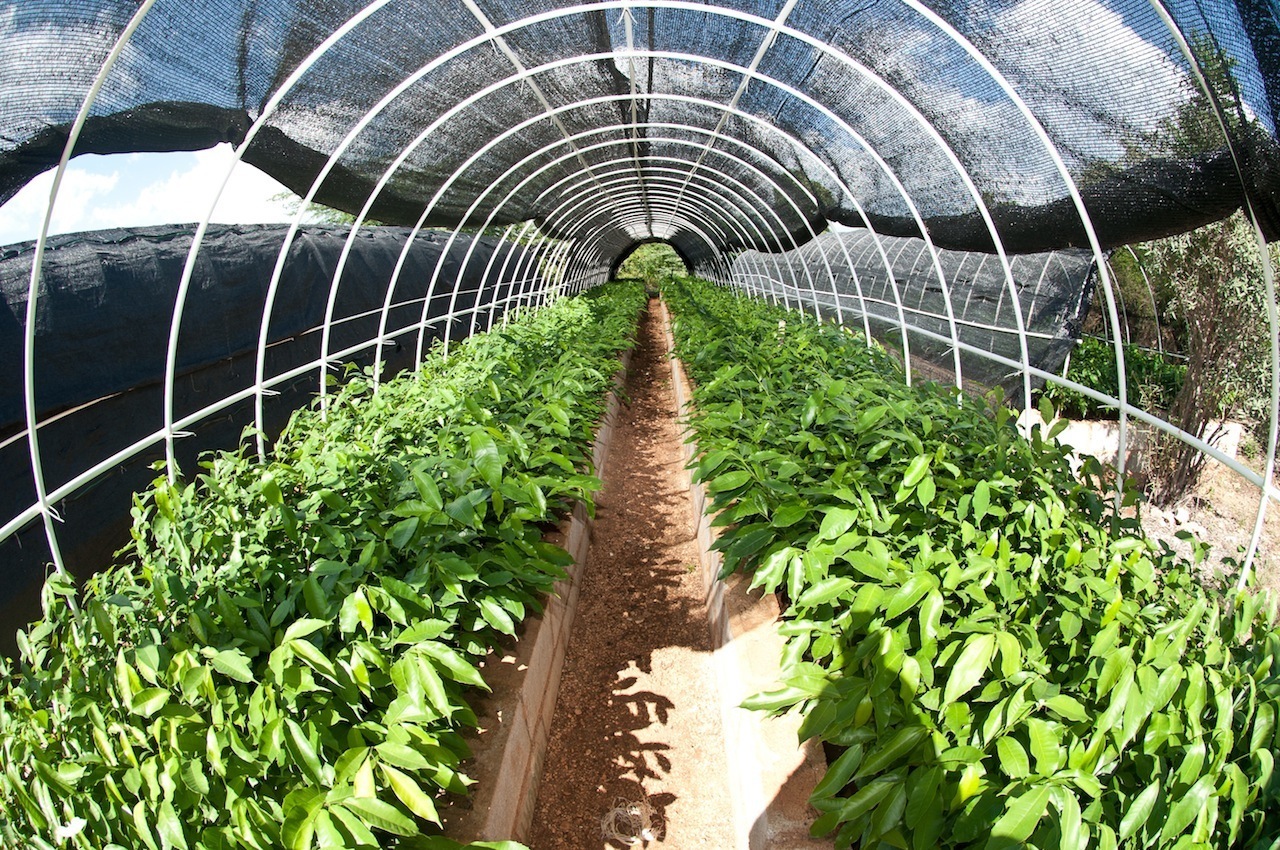
- Nursery: Our nursery can grow up to 50,000 saplings at a time and yield 1-2 batches per year.
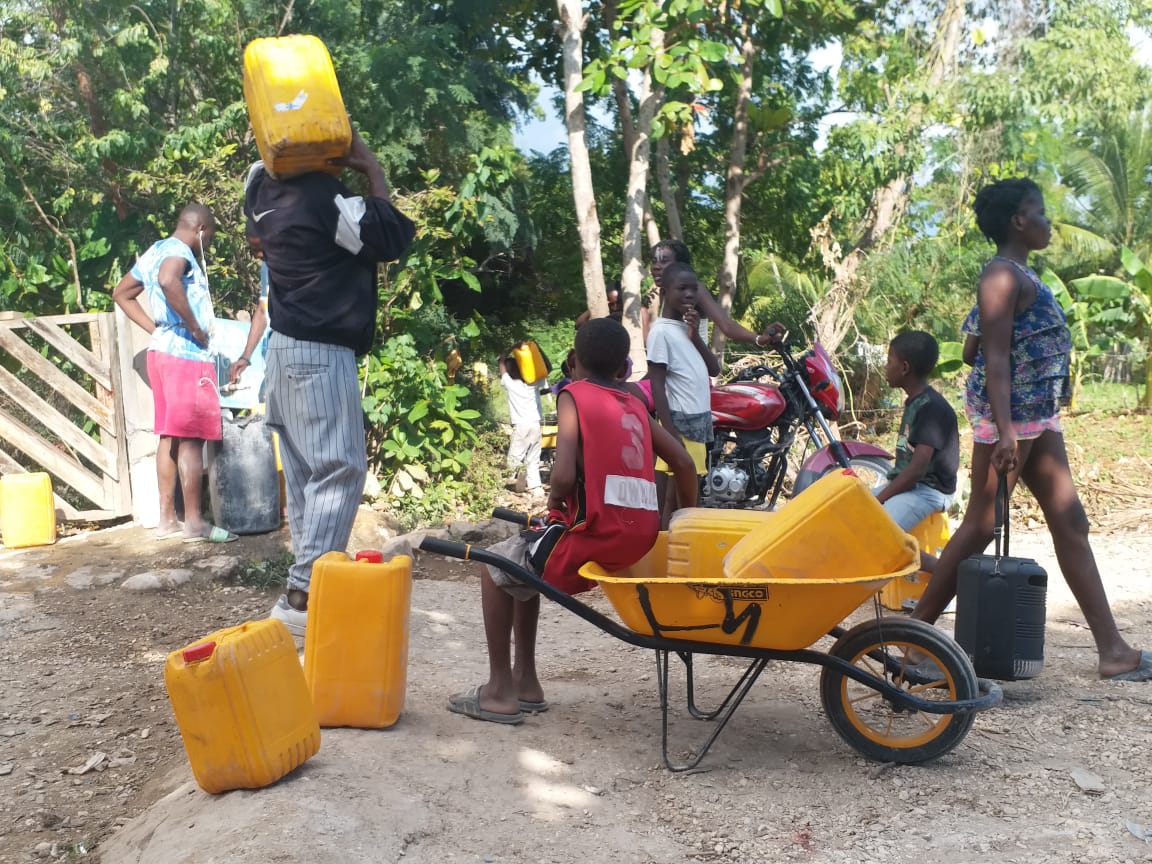
- Free drinking water: We have a borewell and a tap at our gate, which is the only source of free drinking water in town. Every day, many locals come to take water for drinking, household use and watering the trees they planted.
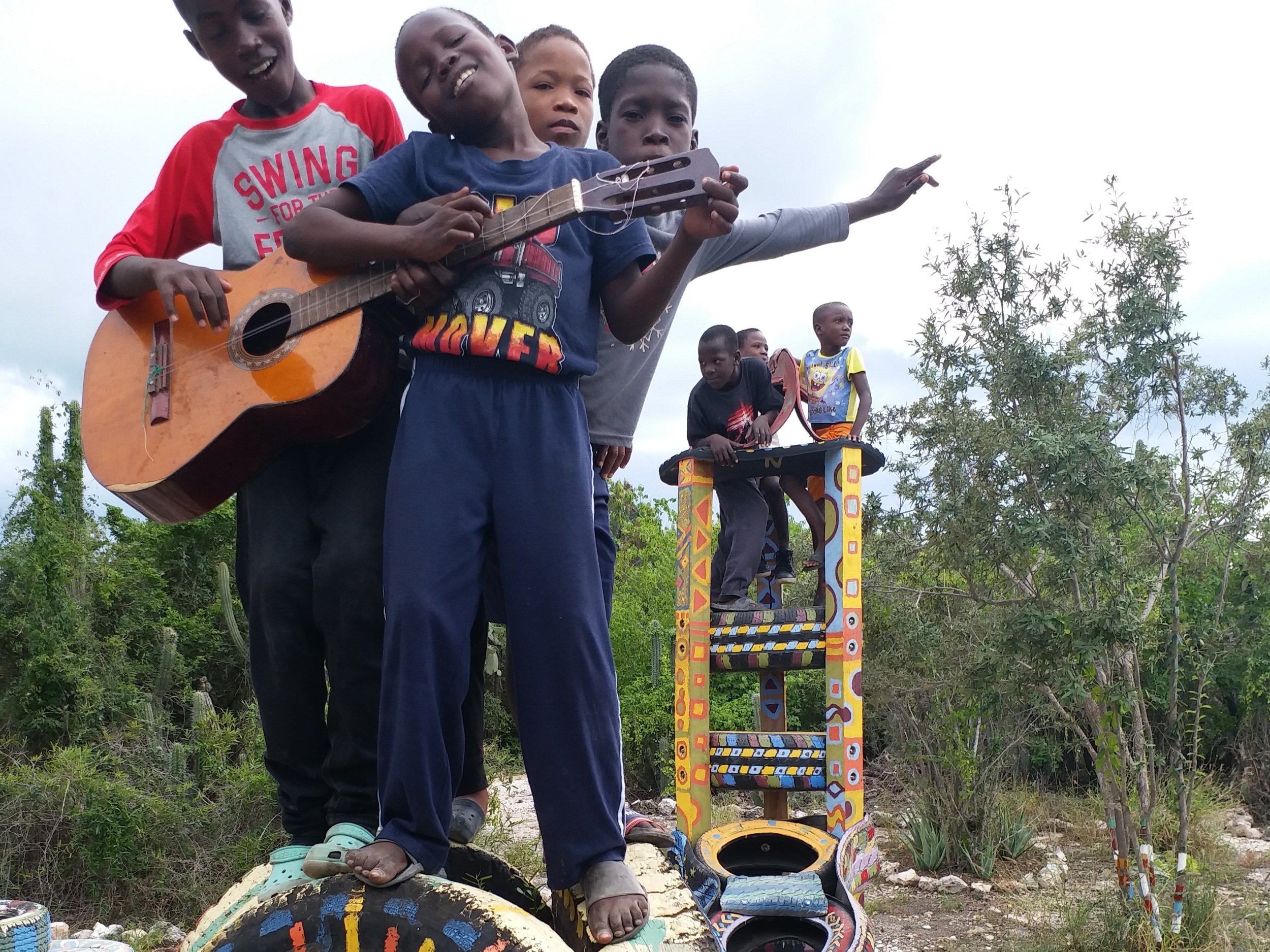
- Children’s Land: Inspired by the success of Children’s Land at our Auroville center in India, we created one in Haiti as well, complete with a playground made of recycled tires, co-designed by the children. Children’s Land is a space for local children to learn and grow in freedom and nature. Learn more.
More photos in our gallery.
Our Team
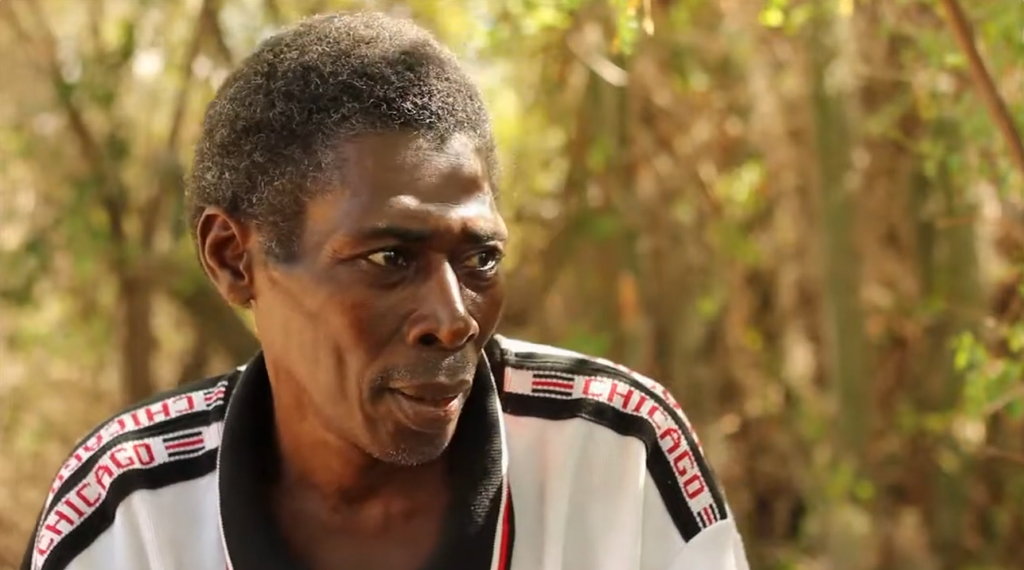
Sadhana Forest Haiti and all its activities are run entirely by local people from Anse-à-Pitres. Some of our team members have been with us for over 10 years and have become experts in permaculture and dry land regeneration. In the challenging climatic and socio-economic conditions of Haiti, our team plants trees undisturbed every day, showing the way for their community to become more resilient.
Water on the rocks
The Sadhana Forest Haiti campus sits on a large bedrock area, with very little soil. This makes traditional water conservation methods, which rely on working with soil, very difficult. We had to be innovative and built bunds from rocks, covering them with discarded clothing to slow runoff and encourage infiltration. Tree roots then gradually help break the rock and improve percolation.
The Maya Nut tree
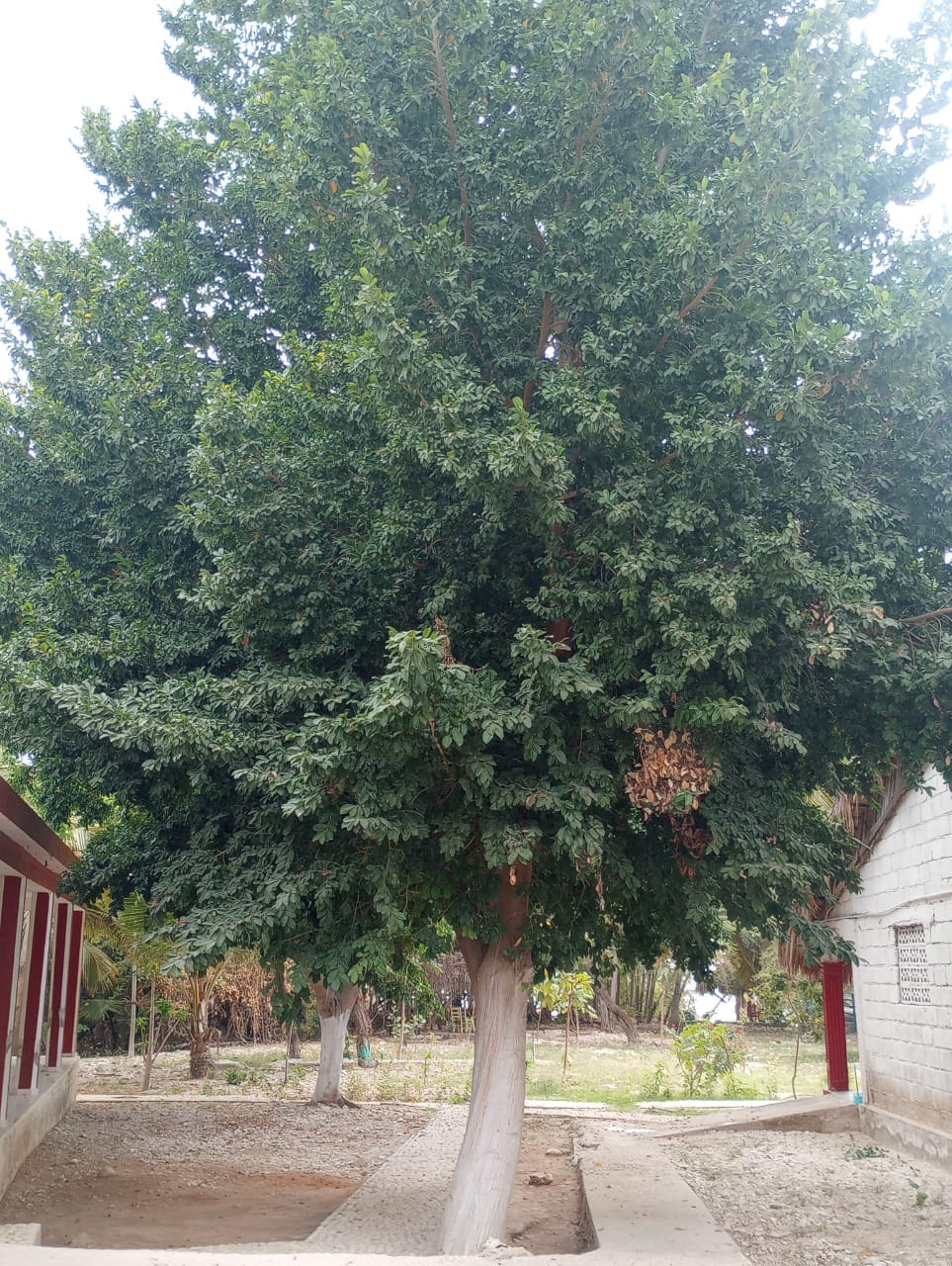
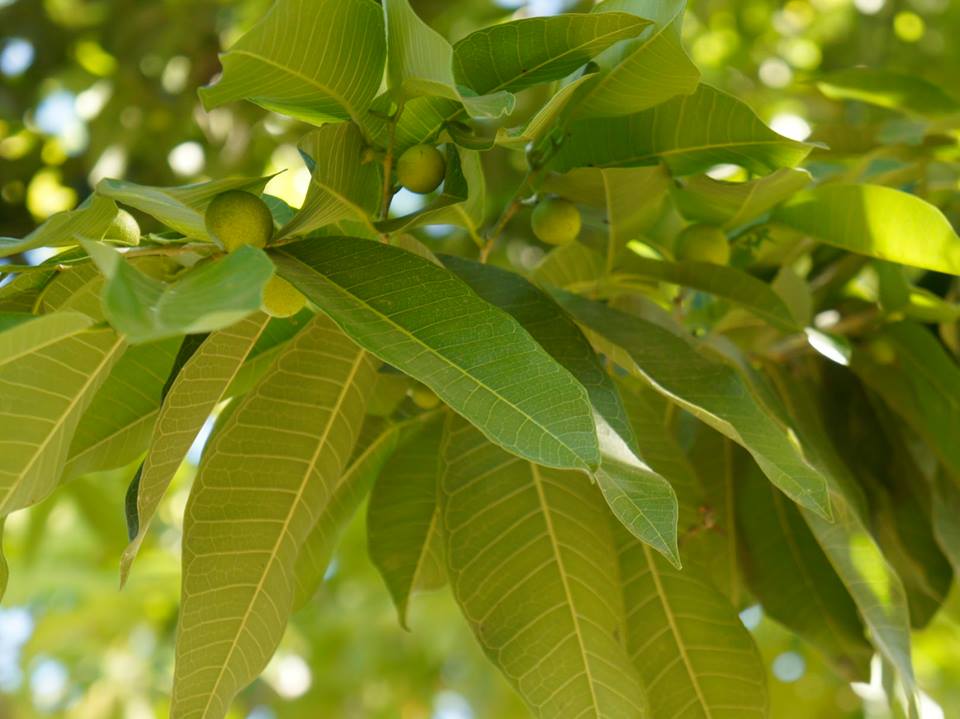
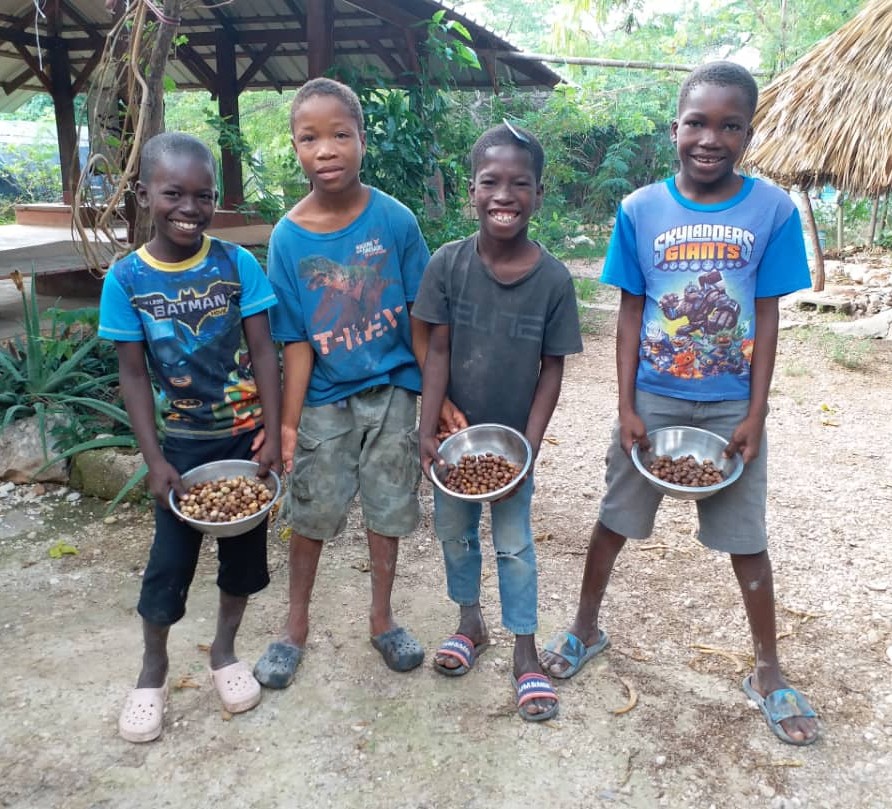
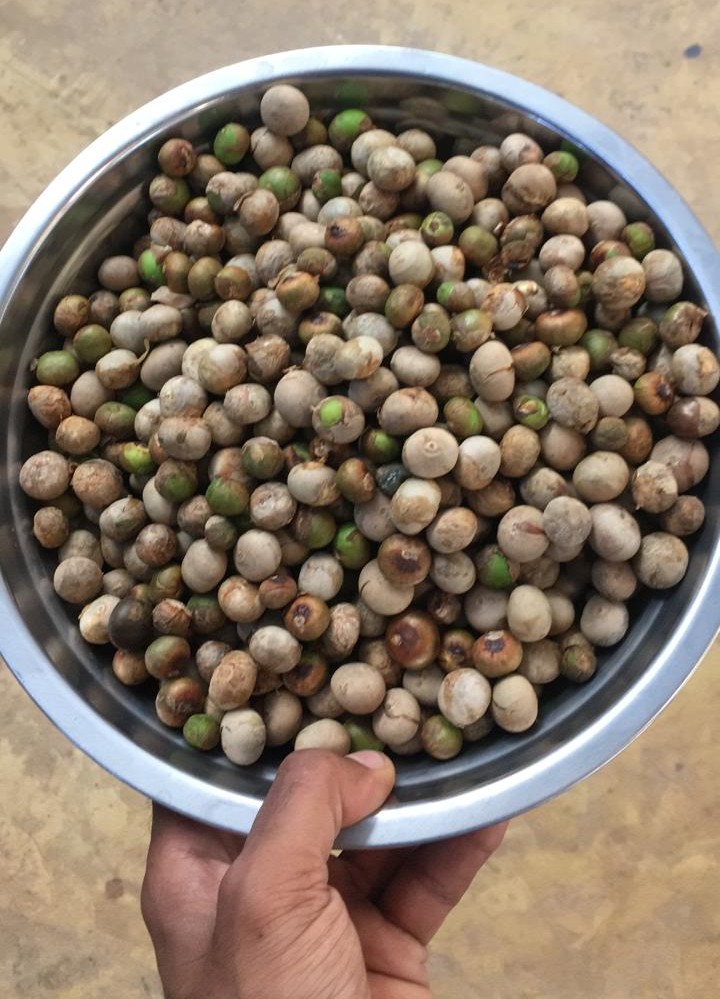
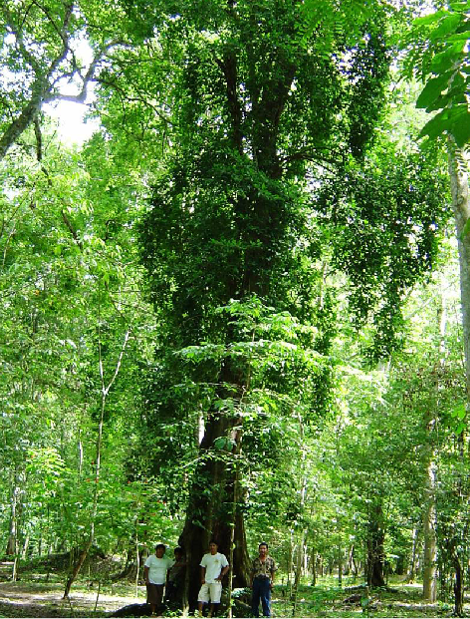
One of the key species we are planting is the Maya nut tree (Brosimum alicastrum), also known as breadnut. This tree produces very nutritious seeds that were said to be a staple food of the Mayans. The seeds can be eaten roasted or ground into flour. A mature tree grows up to 50 meters tall and can produce up to 200 kg of seeds per year. Research in which we collaborated has shown it to be an oxalogenic tree, which deposits carbon in the soil in the form of limestone, creating a permanent carbon sink. Read more about our research here.
Solèy La Fè Manje: Solar mill
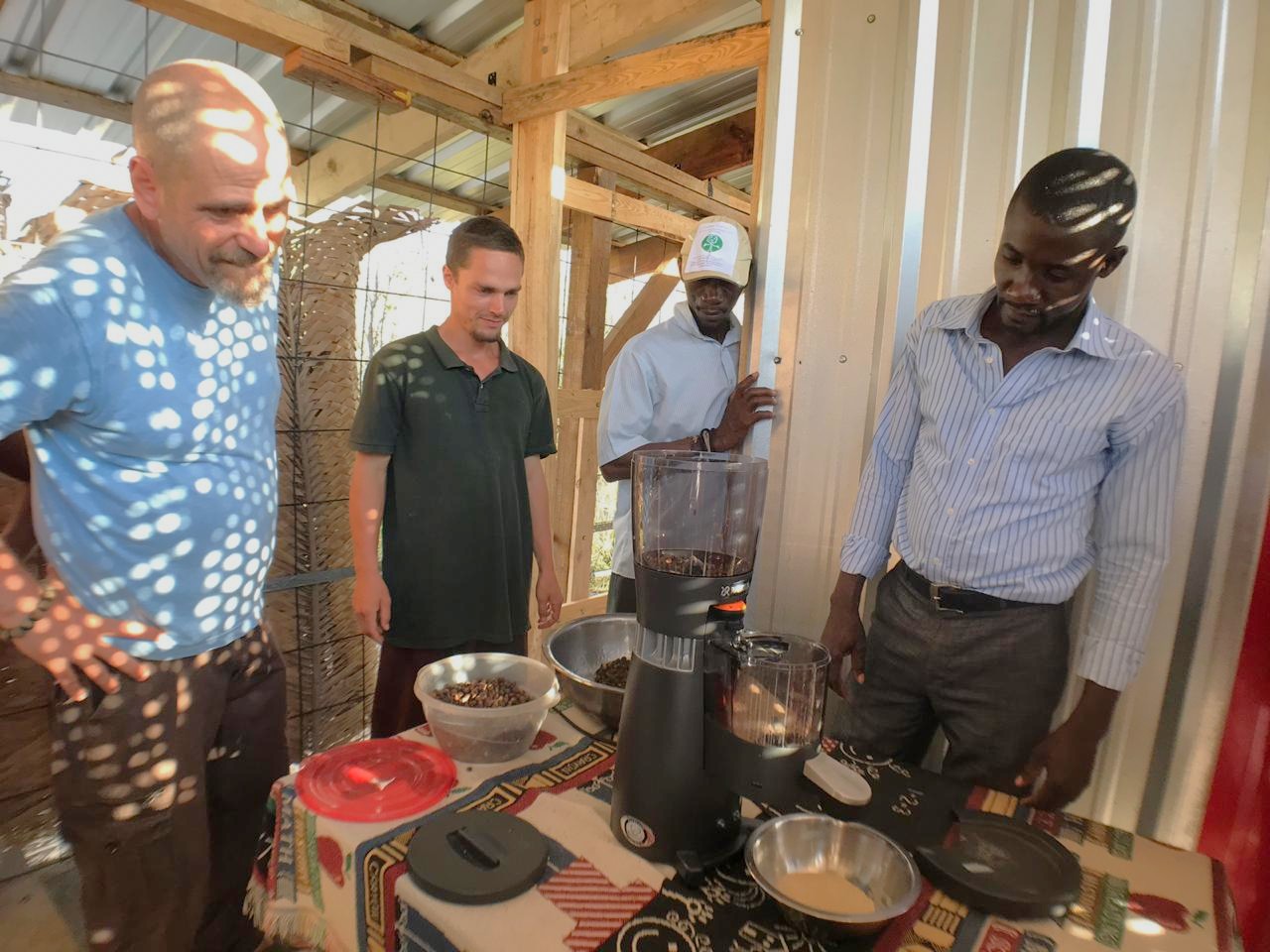
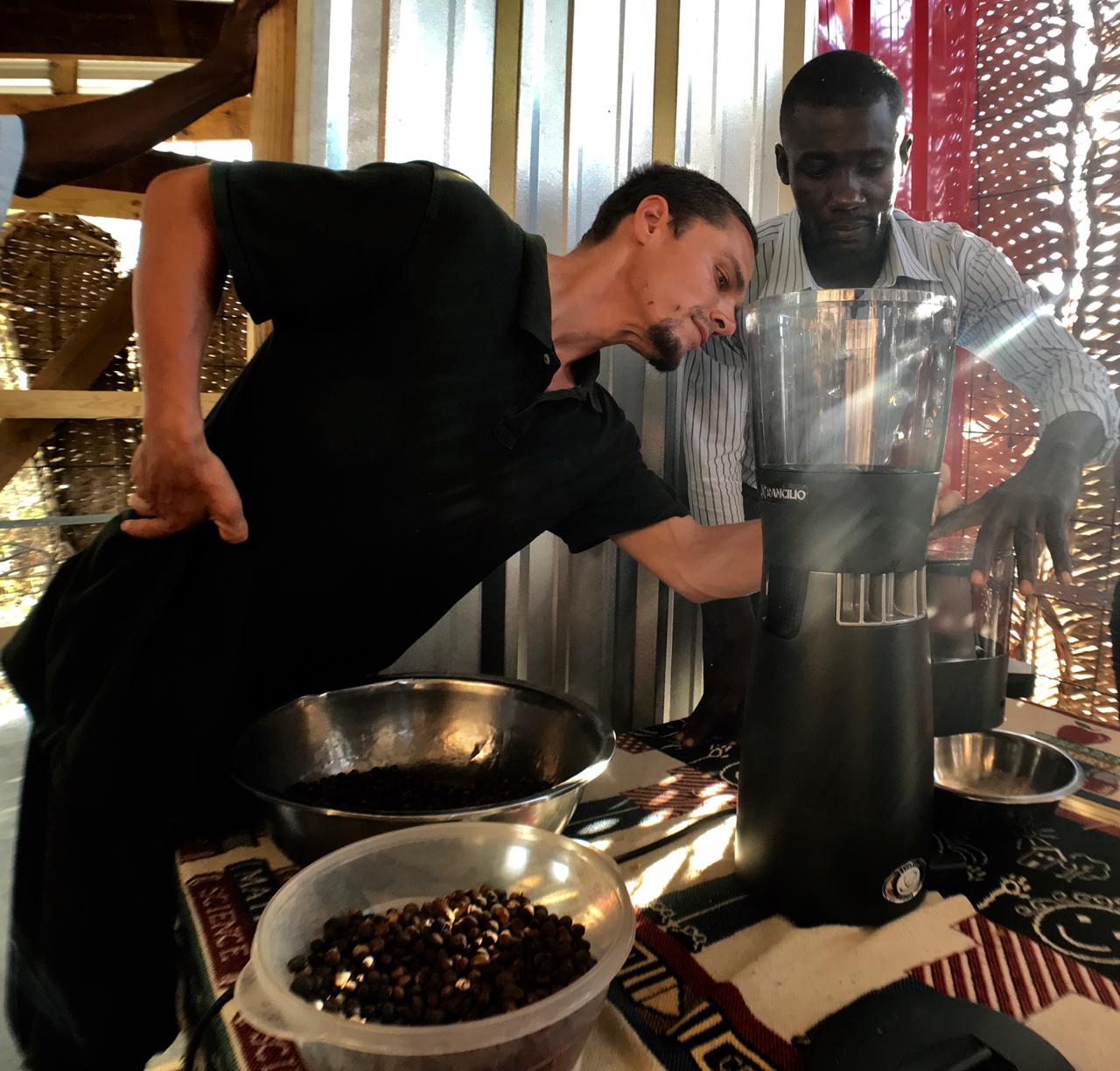
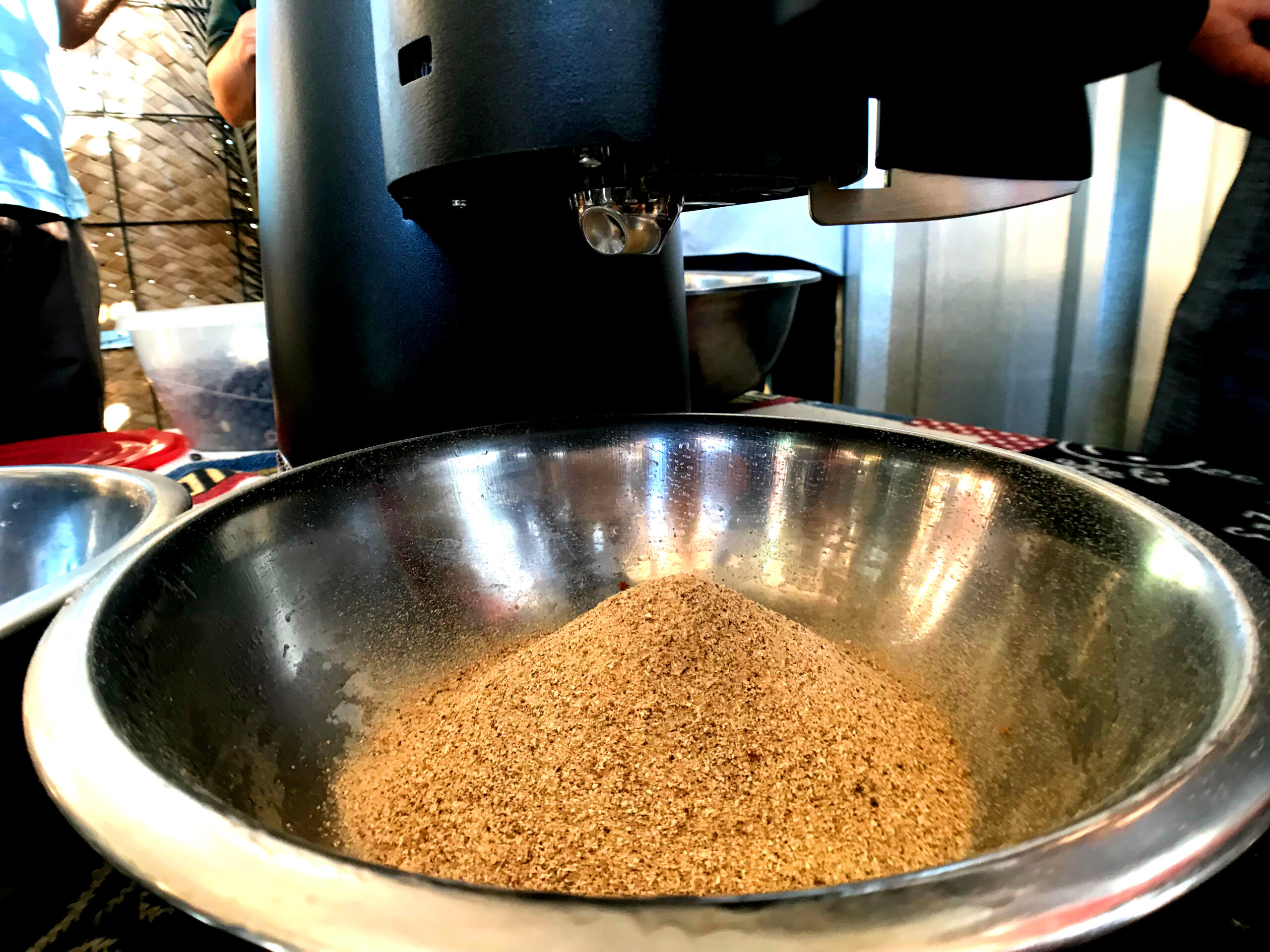
Solèy La Fè Manje is a solar-powered flour mill on the Sadhana Forest Haiti campus. As the Maya Nut trees planted over the years began producing significant harvests, the need for local, reliable processing became clear. The mill transforms Maya Nuts into a flour, increasing their shelf life and allowing them to be used for a wide variety of culinary purposes: bread, porridges, cookies, drinks, etc. As everything we do, the mill is offered as a gift, and we do not charge for it.
Rocket stoves
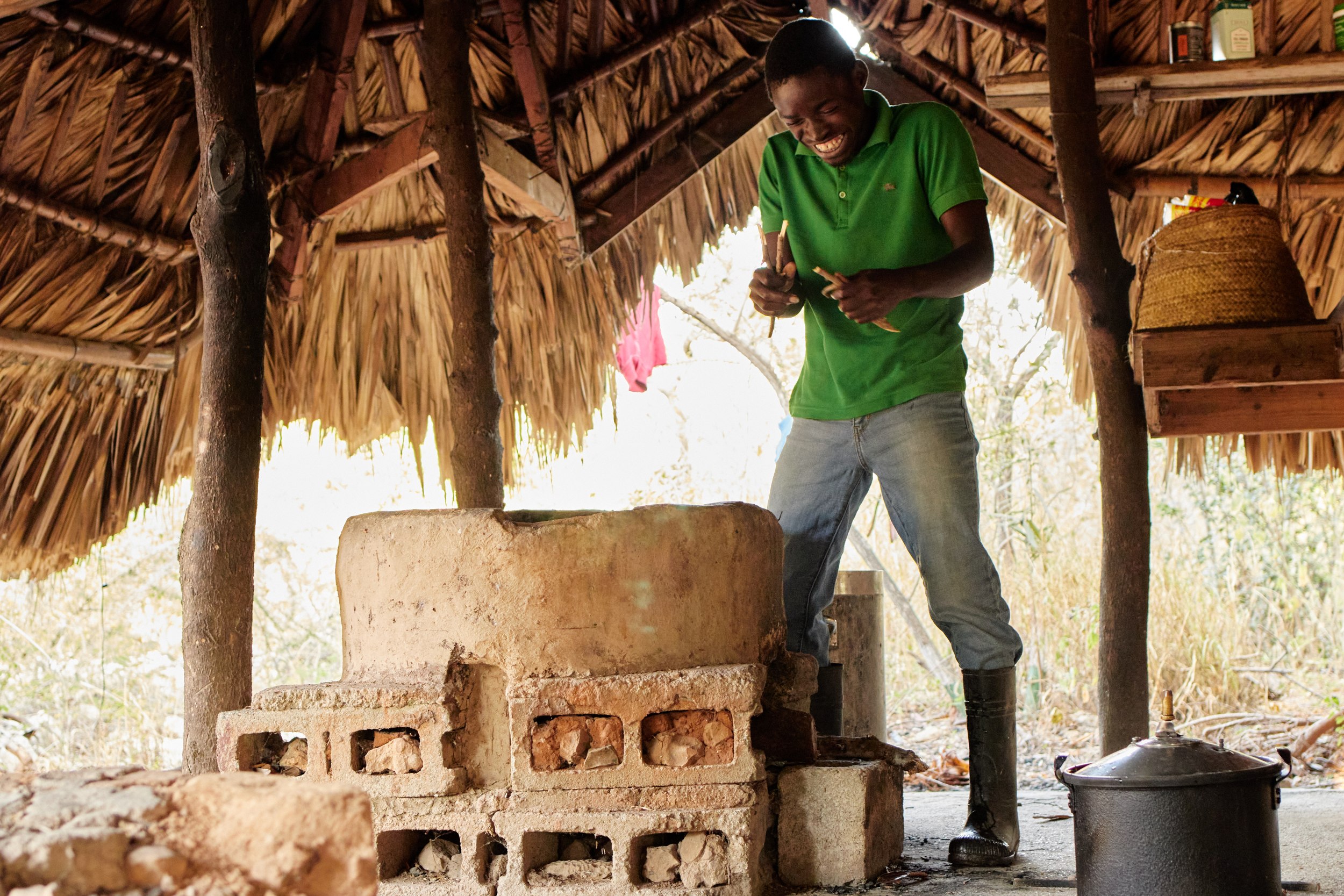
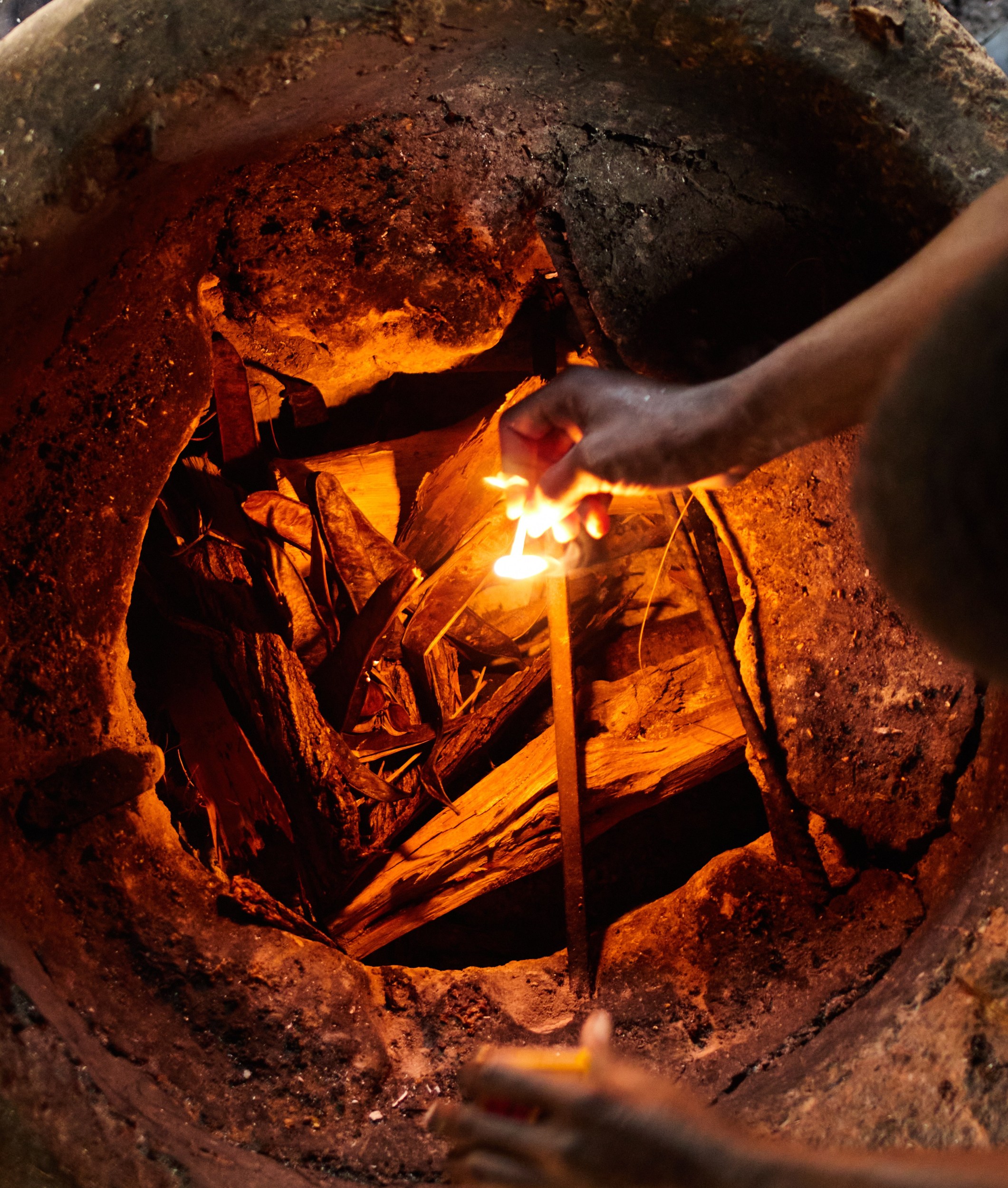
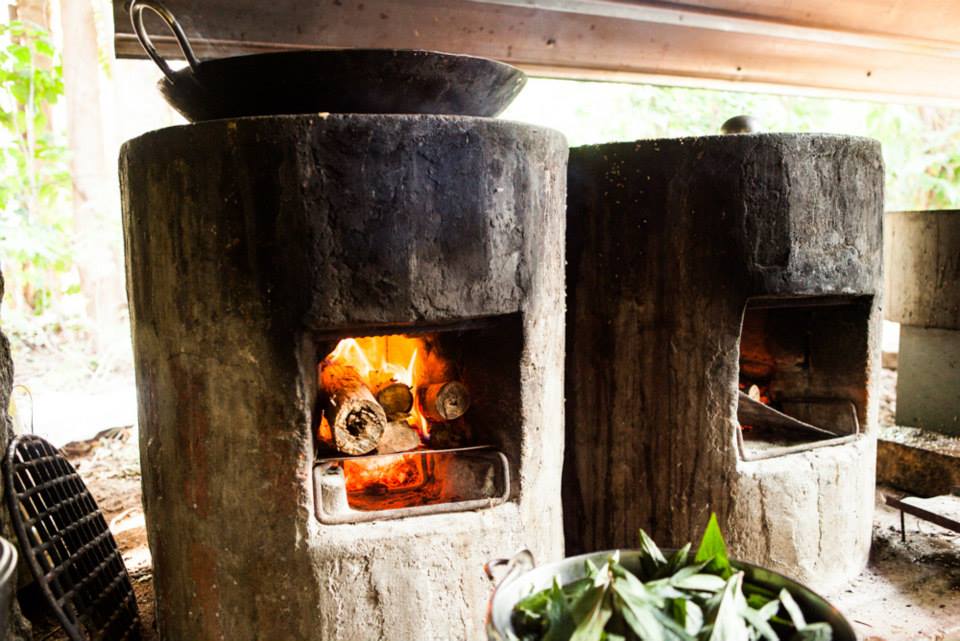
At Sadhana Forest we cook using ‘rocket stoves’, highly efficient wood stoves that we build ourselves. We have introduced our rocket stoves in the local community and teach people how to build them. This reduces people’s need to cut down trees for charcoal and protects our trees in the long term. Charcoal production is one of the main drivers of deforestation in Haiti and is one of the few sources of income for many.
Support
If you would like to know more or support, you can write us at haiti@sadhanaforest.org.